You walk past the fireplace in July, and there it is – a damp, smoky smell that seems stronger on hot, humid days. Fireplace odor causes in summer usually have less to do with a new problem and more to do with airflow, moisture, and buildup inside the chimney that winter use left behind. The good news is that the smell is often a warning sign you can act on before it turns into a bigger repair.
Why fireplace odors get worse in summer
Most homeowners expect chimney problems in winter, not during air conditioning season. But summer is when odor issues often show up the most. That is because your fireplace and chimney are still part of your home’s airflow system, even when you are not using them.
Warm outdoor air, high humidity, and lower indoor air pressure can pull smells down through the flue and into the room. If your chimney has creosote, soot, moisture, animal debris, or other residue inside it, summer conditions can make those odors stronger. In many homes, the smell seems to come and go depending on the weather, which is one reason people put off dealing with it.
That delay can be a mistake. A bad fireplace smell is not always just unpleasant. Sometimes it points to water entry, poor draft, a blocked flue, or neglected maintenance.
The most common fireplace odor causes in summer
Creosote and soot buildup
This is one of the most common sources of a smoky or ashy odor. Creosote is the dark, tar-like residue left behind when wood burns. Even if your fireplace worked normally all winter, that buildup can hold a strong smell once humid summer air moves through the chimney.
The more buildup you have, the worse the odor can be. Glazed creosote tends to smell stronger and is also harder to remove. This is one case where the smell and the safety issue overlap. Creosote is not just odorous – it is also a fire hazard.
Moisture inside the chimney
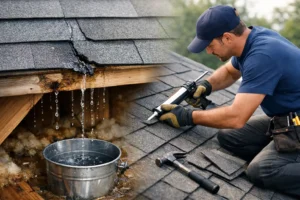
A chimney that takes on water often produces a musty, sour, or campfire-like smell in summer. Rain can get in through a missing cap, damaged crown, cracked masonry, or worn flashing. Even without a major leak, humid air can cling to residue inside the flue and activate odors that were less noticeable in dry weather.
Moisture can also soak into brick, mortar, and liner materials over time. That creates a bigger problem than smell alone. When water gets into chimney components and stays there, deterioration tends to follow.
Negative air pressure in the house
Sometimes the chimney is not pushing odor out. The house is pulling odor in. This happens when indoor air pressure is lower than the pressure outside, which is common in summer when air conditioning is running and the home is sealed up.
Bathroom fans, kitchen exhaust, and clothes dryers can make that pressure imbalance worse. Instead of the chimney drafting upward, air gets pulled down the flue, carrying odors into the living space. In a tight house, even a well-built chimney can smell if the pressure conditions are right.
Debris, nesting animals, or blockages
If birds, squirrels, raccoons, or other animals got into the chimney, the smell can be obvious. Sometimes it is a nesting smell. Sometimes it is droppings, damp debris, or worse. Leaves and other outdoor material can also collect in an uncapped chimney and trap moisture.
This kind of odor tends to be sharper and more unpleasant than a basic smoky smell. If the odor changed suddenly or became much stronger than usual, a blockage or animal issue is worth checking.
A dirty firebox or ash left behind
Not every summer fireplace odor starts high up in the chimney. Old ash, partially burned logs, and soot in the firebox can hold moisture and release odor in warm weather. If the fireplace was used heavily and not cleaned out properly at the end of the burning season, that leftover material can keep smelling for months.
This is one of the simpler fixes, but it is also one homeowners miss because they assume the issue must be deeper in the system.
What different odors can tell you
The smell itself can offer clues, although it is not a perfect diagnosis. A smoky odor usually points to creosote or soot buildup. A musty smell often suggests moisture. A strong rotten or foul odor can mean an animal problem, standing debris, or water sitting where it should not.
Still, there is some overlap. Wet creosote can smell musty and smoky at the same time. That is why odor alone should not be the only guide. The full condition of the chimney matters more than the exact wording of the smell.
When the problem is minor and when it is not
If the odor is mild and the fireplace simply needs cleaning after winter use, the solution may be straightforward. A professional chimney sweeping can remove residue and improve the smell quickly.
If water is getting in, masonry is deteriorating, the cap is missing, or the flue is blocked, cleaning alone will not solve it. The odor may improve for a short time, then return with the next stretch of humid weather. That is where a proper inspection matters. It separates a simple maintenance issue from a repair issue.
For New Jersey homeowners, this is especially relevant after heavy rain, coastal humidity, and freeze-thaw cycles have had time to wear on chimney materials. Summer odors are often the first thing people notice before they see staining, leaks, or interior damage.
How to fix summer fireplace odor the right way
The right fix depends on the cause. If buildup is the issue, a chimney sweeping is usually the starting point. If water is involved, the chimney may need a cap, crown repair, flashing repair, waterproofing, or masonry work. If the problem is airflow, draft conditions may need to be evaluated along with the rest of the chimney system.
Some homeowners try temporary odor fixes like air fresheners, fireplace powders, or sealing off the opening. Those may cover the smell for a while, but they do not solve the source. In some cases, closing the damper helps reduce odor movement, but if the damper does not seal tightly or the chimney has moisture and residue inside, the smell can still get through.
There is also a trade-off with do-it-yourself cleaning. Removing visible ash from the firebox is reasonable if the unit is cool and the cleanup is done properly. But deeper chimney cleaning and diagnosis should be left to a professional. If there is glazed creosote, a hidden blockage, liner damage, or water entry, guessing can cost more later.
Preventing fireplace odor causes in summer before they start
The best prevention is regular chimney maintenance before hot weather sets in. A professional sweep and inspection after the burning season removes odor-causing residue and gives you a chance to catch water-related issues early.
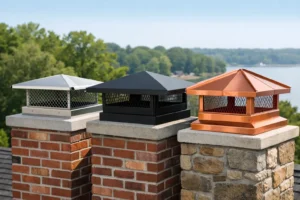
A good chimney cap also makes a real difference. It helps keep out rain, animals, and debris. If the masonry is exposed and absorbing water, waterproofing may also be a smart step, especially on older chimneys. That does not replace needed repairs, but it can help protect sound masonry from further moisture intrusion.
Home airflow also plays a role. In some houses, running multiple exhaust fans at once makes the odor worse. That does not mean the fans are the real problem, but it can explain why the smell shows up more at certain times of day.
When to call a chimney professional
If the odor keeps returning, gets stronger in humid weather, or comes with signs like water stains, crumbling mortar, visible cracks, or poor fireplace performance, it is time for a professional inspection. The same goes for any suspicion of an animal entry or blocked flue.
A dependable contractor should be able to tell you whether you are dealing with a cleaning issue, a moisture issue, or a repair issue without overselling the job. That is the standard homeowners should expect. At Adore Construction, that means looking at the chimney as a working system, not just treating the smell as a one-time nuisance.
A summer fireplace odor is easy to ignore because you are not using the fireplace anyway. But the smell is often the chimney’s way of telling you something needs attention now, while the weather still gives you time to fix it properly.