A fireplace that looks calm from the living room can hide a very different story inside the flue. Soot buildup, creosote, cracked liners, moisture damage, and nesting debris often stay out of sight until you smell smoke indoors, notice draft problems, or face a real fire risk. That is why a professional new jersey chimney sweep service is not just a cleanup appointment. It is part of protecting your home, your heating system, and the people inside it.
For many homeowners, chimney maintenance gets pushed back because nothing seems urgent. The fireplace still works. The chimney still stands. But chimneys usually do not fail all at once. They wear down gradually through use, weather, and moisture. A proper sweep helps catch those early warning signs before they become expensive repairs.
What a New Jersey chimney sweep service should actually do
A real chimney sweep service should be more than running a brush through the flue and calling it a day. The goal is to remove soot and creosote, improve safe airflow, and identify conditions that could lead to smoke backup, chimney fires, or water intrusion. If a contractor only talks about basic cleaning and not the overall condition of the system, that is a sign to ask more questions.
A thorough visit usually starts with an assessment of how the chimney is being used. A wood-burning fireplace, gas appliance vent, and furnace flue can each create different maintenance needs. From there, the technician should inspect accessible parts of the chimney system, including the flue, smoke chamber, damper area, and visible masonry or exterior components if needed.
Creosote is one of the biggest reasons sweeping matters. When wood burns, it releases gases that condense inside the flue. Over time, that material builds up and becomes highly flammable. The heavier the buildup, the greater the risk. Some deposits are loose and easier to remove. Others are glazed and much harder to deal with. That is where experience matters, because not every chimney has the same level of contamination.
Why homeowners schedule chimney sweeping
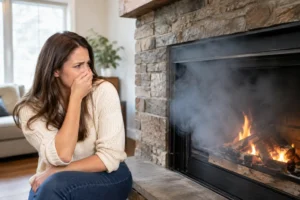
Most people call for chimney service after they notice a problem. Smoke entering the room, a strong burnt smell, poor drafting, falling debris, or visible black buildup near the fireplace opening are common triggers. Those are valid reasons to schedule service, but they are not the only ones.
Preventive maintenance is usually the smarter move. If you use your fireplace regularly during the colder months, annual chimney sweeping is often the safest schedule. Even if usage is light, an inspection still matters because moisture, animal nesting, and masonry deterioration can happen whether or not the fireplace sees heavy use.
In New Jersey, seasonal weather adds another layer. Freeze-thaw cycles, rain, snow, and humidity can all wear down chimney materials over time. A chimney that is dirty and also taking on water is more likely to develop liner issues, cracked mortar joints, crown damage, and flashing problems. Sweeping alone will not fix those conditions, but it often helps reveal them early.
Signs you may need chimney service sooner
Some homes should not wait for the next regular maintenance cycle. If your fireplace smells stronger than usual, especially in damp weather, that can point to buildup or moisture issues inside the chimney. If you hear birds or animals, there may be a nest or blockage affecting airflow.
You should also act quickly if smoke does not rise properly, if you see flakes of tile or masonry in the firebox, or if there are stains around the chimney on walls or ceilings. Those signs can mean the system is not venting correctly or that water is getting in through damaged components. In some cases, what seems like a simple sweeping issue turns out to involve a cap, crown, liner, or flashing repair.
That is why the best service calls are not rushed. Homeowners need clear answers about what is dirty, what is damaged, and what needs immediate attention versus what can be planned for later.
What happens during a professional chimney sweep
A dependable chimney technician should respect your home as much as the chimney itself. That means protecting nearby flooring and furniture, containing dust properly, and explaining what they are doing before they begin. Clean work matters. So does communication.
The actual sweeping process depends on the type and condition of the flue. Specialized brushes and tools are used to remove soot and creosote from the chimney walls. The firebox, smoke shelf, and other accessible areas may also be cleaned as part of the service. If there is excessive buildup, obstructions, or signs of structural damage, additional work may be recommended.
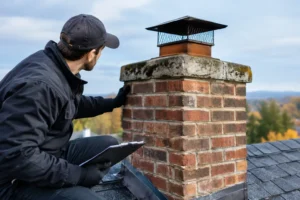
This is also where a homeowner benefits from working with a contractor who understands the full chimney system. A sweep might uncover a missing chimney cap, a damaged crown, deteriorated mortar, or liner trouble that explains recurring performance issues. Cleaning is one part of safety. Identifying what threatens long-term function is the other part.
Choosing the right New Jersey chimney sweep service
Not every company approaches chimney work with the same level of care. For homeowners, the safest choice is a contractor that is insured, experienced, and able to explain findings in plain language. You should know what was cleaned, what condition the chimney is in, and whether any repairs are recommended.
It also helps to choose a company that can handle more than one piece of the problem. If a sweep reveals water entry, masonry damage, or a failed liner, you do not want to start over with another contractor just to get the system made safe. A company with chimney repair, waterproofing, cap, crown, flashing, and liner experience can save time and reduce confusion.
Pricing matters too, but cheapest is not always best when fire safety is involved. A fair estimate should be clear, practical, and based on the actual condition of the chimney. If a company gives a price without asking how the fireplace is used or what symptoms you are seeing, that is not a strong start.
Sweeping, inspections, and repairs work together
One of the most common misunderstandings is thinking that sweeping and inspections are basically the same thing. They overlap, but they are not identical. Sweeping removes buildup. Inspection looks for wear, blockage, damage, and venting concerns. In many homes, both should happen together.
Repairs come into the picture when cleaning reveals that the chimney cannot perform safely as-is. That might mean sealing minor issues before they spread, replacing a cap to keep water and animals out, correcting flashing problems where the chimney meets the roof, or addressing liner damage that affects venting.
There is no one-size-fits-all answer here. A newer chimney with light use may need basic maintenance and monitoring. An older chimney with years of exposure may need a more complete plan. The point is to make decisions based on actual condition, not guesswork.
Why waiting can cost more
A neglected chimney rarely stays a small problem. Creosote buildup increases fire risk. Moisture intrusion weakens masonry. Damaged liners can allow heat and gases to move where they should not. And once water starts affecting the chimney structure, repairs often become more involved.
Many homeowners first call after noticing leaks, indoor smoke, or visible cracking. By then, the job may go beyond cleaning. What could have been handled with routine maintenance can turn into crown work, repointing, liner replacement, or partial rebuilding.
That is why dependable service is really about prevention. A good chimney sweep appointment gives you a cleaner system today and a better chance of avoiding a major issue tomorrow. For homeowners who want straightforward answers and solid workmanship, that peace of mind matters.
If your fireplace has been used, ignored, or simply overdue for attention, now is a good time to have it looked at by a professional. Adore Construction approaches chimney care the way homeowners need it handled – safely, honestly, and with an eye on long-term protection, not just a quick cleanup.