A chimney that looks solid from the ground can still be taking on water every time it rains. That is why chimney waterproofing benefits matter more than many homeowners realize. Small cracks, worn mortar, and porous brick can let moisture in slowly, and the damage usually shows up after the water has already started breaking things down.
For homeowners, this is not just about appearance. Water inside a chimney system can lead to masonry decay, interior leaks, mold, rust, damaged liners, and expensive structural repairs. Waterproofing is one of the most practical ways to protect the chimney before those problems spread to the roofline, attic, walls, or fireplace system.
Why chimneys are so vulnerable to water
A chimney sits above the roof and takes the full hit from rain, snow, wind, and freeze-thaw weather. Unlike many other exterior surfaces, it is exposed on all sides. Brick and mortar may look dense, but masonry is naturally porous. That means water can soak in, especially when the chimney is aging or the joints have started to wear out.
In New Jersey, that exposure gets worse through winter. Moisture enters small openings, temperatures drop, and the water freezes and expands. Then it thaws and repeats the cycle. Over time, bricks can crack, faces can pop off, and mortar joints can crumble. A chimney does not need one major storm to fail. Steady weather exposure is often enough.
The biggest chimney waterproofing benefits for homeowners
The main value of waterproofing is simple – it helps keep water out of the masonry while still allowing the chimney to breathe. That matters because trapped moisture is one of the fastest ways to shorten the life of a chimney.
It helps prevent leaks before they reach the house
One of the clearest chimney waterproofing benefits is leak prevention. When moisture gets into masonry, it can travel farther than homeowners expect. A stain on the ceiling near the fireplace may start at the chimney. Damp walls, musty odors, or water around the firebox can also trace back to chimney absorption.
Waterproofing creates a protective barrier that reduces the amount of rainwater the brick and mortar absorb. It is not a fix for every leak, because flashing problems, crown cracks, and missing caps can also let water in, but it is an important layer of defense.
It protects brick and mortar from early deterioration
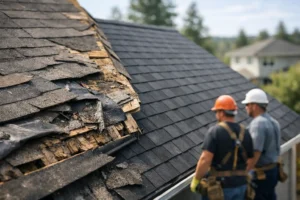
Once water enters masonry, the damage tends to build quietly. Mortar joints weaken first, then brick surfaces start showing wear. You may notice flaking brick, loose mortar, white staining, or cracking around the stack.
Waterproofing slows that process down. By reducing water penetration, it helps the chimney materials hold up longer under normal weather exposure. That can mean fewer tuckpointing repairs, fewer rebuild sections, and less risk of a partial chimney failure later.
It reduces freeze-thaw damage
This is where timing matters. In a cold climate, freeze-thaw cycles can be brutal on an unprotected chimney. Water gets in during rain or melting snow, then freezes inside the masonry. That expansion puts pressure on the brick and mortar from within.
A quality waterproofing treatment helps limit how much moisture gets into those materials in the first place. It does not make a neglected chimney invincible, but it can make a major difference in how the structure handles the winter season.
It can lower long-term repair costs
Most homeowners do not think about waterproofing until there is visible damage. By then, the chimney may already need repointing, crown repair, flashing work, or rebuild work. Preventive service usually costs far less than structural repair.
That is one of the strongest chimney waterproofing benefits from a budgeting standpoint. It gives you a better chance of handling a smaller maintenance job now instead of paying for a much larger repair after water has had time to work through the system.
Waterproofing supports more than the chimney exterior
A chimney is not just a stack of brick. It is part of a larger system that includes the liner, crown, cap, flashing, and connection points around the roof. When the exterior masonry stays saturated, the stress can spread.
It helps protect metal components from rust
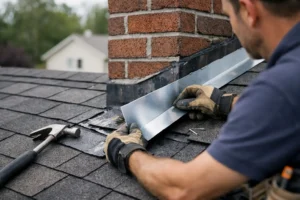
Moisture can affect chimney caps, dampers, flashing, and liners. If water keeps entering through failed masonry or open cracks, rust becomes more likely. Once metal parts corrode, performance suffers. Dampers may stop sealing properly, flashing can fail, and liners can deteriorate.
Waterproofing does not replace repairs to damaged components, but it helps reduce one major source of moisture exposure.
It helps preserve indoor comfort and air quality
A wet chimney can contribute to musty smells around the fireplace, especially during humid weather. If leaks reach nearby framing or insulation, there is also the risk of mold growth. Homeowners often notice the symptom first and not the cause.
Keeping the chimney drier helps reduce the conditions that lead to those problems. It is one of those benefits that feels less dramatic than a visible repair, but it can improve day-to-day comfort inside the home.
When waterproofing makes the most sense
Not every chimney needs the same level of work. If the masonry is already heavily damaged, waterproofing alone is not enough. A professional inspection may find missing mortar, cracked crowns, failing flashing, or brick sections that need repair first. Applying a water repellent over active structural problems is not the right approach.
Still, there are clear situations where waterproofing makes strong sense. If your chimney is exposed to frequent rain, already showing minor absorption issues, or has recently been repaired, waterproofing can help protect that investment. It is also a smart preventive step if the chimney is older but still structurally sound.
In many cases, the best sequence is repair first, then waterproofing. That way the chimney is sealed and protected instead of just coated over damaged areas.
What good chimney waterproofing should include
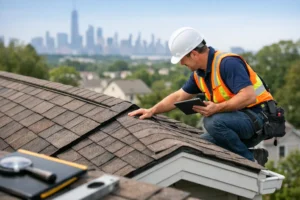
The product matters, but the prep matters just as much. A proper chimney waterproofing job should start with an inspection of the brick, mortar joints, crown, and flashing. If the contractor skips that step, there is a chance real leak sources will be missed.
The treatment itself should be vapor-permeable. In plain terms, that means it keeps outside water from soaking in while still allowing trapped moisture vapor to escape. That is important because sealing masonry with the wrong product can create other problems. Standard paint or non-breathable coatings are usually not the answer for a working chimney.
Application also needs to be even and thorough. Missed joints, damaged sections, or untreated transition points can leave weak spots behind. This is one reason homeowners usually get better results when chimney waterproofing is done as part of a full service visit instead of as a rushed add-on.
Signs you should not wait much longer
Some homeowners call after they see active dripping. Others catch chimney moisture issues earlier, which is always the better position to be in. If you notice white staining on the brick, deteriorating mortar joints, pieces of brick in the yard, water marks near the fireplace, or a musty smell after rain, it is worth having the chimney checked.
These signs do not always mean waterproofing is the only solution. Sometimes the problem is a cracked crown, bad flashing, or a missing cap. But they do point to moisture, and moisture is the issue that tends to grow if ignored.
Why professional help matters
Chimney waterproofing sounds simple until you factor in roof access, safety, product selection, and hidden damage. A trained contractor can tell the difference between a chimney that just needs protection and one that already needs repairs. That distinction matters because the wrong fix can waste money and leave the real problem in place.
For homeowners who want long-term results, it makes sense to treat waterproofing as part of chimney maintenance, not as a shortcut. A company that handles inspections, repairs, flashing, crowns, and masonry work can look at the whole system instead of one surface. That is the kind of approach we believe in at Adore Construction, because protecting the home is always the point.
Water damage rarely starts big. It starts small, gets ignored, and turns into a repair bill that could have been avoided. If your chimney has been exposed to years of weather or is already showing signs of wear, taking action now is often the smarter move.