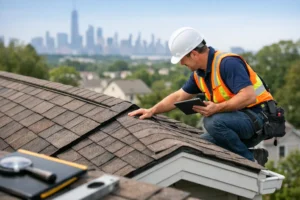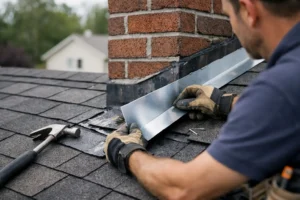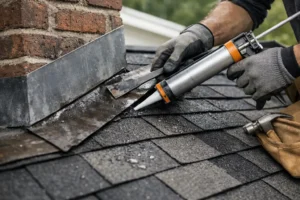
A chimney that starts shedding brick faces or a wall that leaves small chips on the ground is not dealing with normal wear. It is usually a sign that moisture has gotten into the masonry, and once freeze-thaw cycles start doing their work, the damage tends to spread. That is why masonry spalling repair methods matter so much for homeowners – the right fix protects the structure, while the wrong one only covers the problem for a short time.
What spalling actually means
Spalling happens when the face of brick, stone, or concrete begins to flake, peel, crack, or break away. In many homes, it shows up first on chimneys, parapets, steps, retaining walls, and other areas that take regular weather exposure. The surface may look powdery at first, then become rough, chipped, or visibly broken.
The main cause is usually water intrusion. Masonry materials are porous, which means they can absorb moisture over time. When that trapped moisture freezes, it expands. As the cycle repeats, pressure builds inside the material until the outer surface starts failing. Poor drainage, missing caps, cracked crowns, worn mortar joints, and old sealants can all speed this up.
Not every spalled area needs the same level of repair. A few damaged brick faces on an otherwise sound chimney are very different from widespread brick failure tied to hidden moisture and structural movement. That is where proper diagnosis matters.
Choosing the right masonry spalling repair methods
The best repair method depends on how deep the damage goes, what caused it, and whether the masonry is still structurally sound. A cosmetic patch may improve appearance for a season, but if moisture is still entering from the top or through open joints, the problem usually comes back.
Repointing deteriorated mortar joints
If the mortar joints are cracked, recessed, or falling out, repointing is often part of the repair. This process removes damaged mortar and installs new mortar that matches the existing masonry as closely as possible in strength and appearance.
Repointing does not fix severely damaged brick by itself, but it does close one of the most common paths for water intrusion. On chimneys, it is often paired with crown repair, flashing work, or waterproofing because those systems all affect how well the masonry holds up.
The trade-off is that repointing only makes sense when the surrounding brick is still serviceable. If too many bricks have lost their faces or become soft, replacing isolated mortar joints will not solve the larger problem.
Replacing individual spalled bricks
When only certain bricks are damaged, brick replacement is usually the most durable choice. The failed units are carefully removed without disturbing the surrounding masonry, then new bricks are installed with properly matched mortar.
This method works well when damage is localized. It restores both appearance and function, and it keeps the wall or chimney from losing more material. For homeowners, this is often the sweet spot between a small patch and a much larger rebuild.
The key is matching. Brick size, color, texture, and absorption rate all matter. A replacement brick that looks close enough but handles moisture differently can create uneven wear over time.
Patching small surface defects
For minor surface spalling, some contractors use masonry repair compounds or patching products to rebuild the face. This can be useful on concrete or certain masonry surfaces where the damage is shallow and stable.
Used correctly, patching can extend service life and improve appearance. Used incorrectly, it can trap moisture or fail to bond well, especially on brick exposed to heavy freeze-thaw conditions. That is why patching is usually best for limited damage, not as a blanket solution for a failing chimney or wall.
Homeowners should be careful with any repair that sounds fast and cheap but does not address why the surface failed in the first place. If moisture entry remains, the patch may break loose or the surrounding area may start spalling next.
Partial rebuilds for more advanced damage
When damage is concentrated in one section – often the top courses of a chimney, the shoulder area, or a weather-beaten section of wall – a partial rebuild may be the smartest option. In this repair, the unstable masonry is taken down to a sound level and rebuilt correctly.
This is more involved than replacing a few bricks, but it often gives better long-term value when widespread spalling has already compromised the area. If the upper chimney courses have been saturated for years because of a failed crown or missing cap, rebuilding that section can be more reliable than trying to save materials that are already too far gone.
A partial rebuild also creates the opportunity to correct related issues at the same time, such as poor crown slope, open joints, or water entry around flashing.
Full rebuild or replacement
Some structures reach a point where repair is no longer the safest or most cost-effective path. If the masonry is failing across large areas, leaning, separating, or crumbling deeply, a full rebuild may be necessary.
This is often the case with older chimneys that have gone through years of neglected water damage. By the time the outer faces are falling off in multiple areas, the inner structure may also be compromised. A full rebuild costs more up front, but it can eliminate recurring repair cycles and restore proper safety.
For homeowners, this is the point where honest guidance matters. A dependable contractor should not oversell a rebuild when targeted repairs will do, but they also should not apply short-term fixes to a structure that has already passed the point of reliable repair.
Moisture control is part of the repair
The most effective masonry spalling repair methods always include moisture management. If the repair focuses only on damaged brick or mortar and ignores the water source, the same conditions remain in place.
On chimneys, common moisture-related fixes include repairing or rebuilding the crown, installing a proper chimney cap, correcting flashing issues, sealing gaps around penetrations, and applying breathable waterproofing products. Breathable is the important word here. Masonry needs to release vapor. A non-breathable coating can trap moisture inside and make freeze-thaw damage worse.
On walls and steps, drainage and grading may also need attention. Sometimes the masonry is not the original problem at all. It is just where the damage became visible.
When repair is possible and when replacement makes more sense
This is where experience matters more than a sales pitch. If the masonry is solid beneath limited surface damage, a focused repair can perform well for years. If the units have become soft, fractured deeply, or loose in multiple areas, replacement usually makes more sense.
Age alone does not decide it. Neither does appearance. A chimney can look rough and still be repairable, while another can look only moderately worn but have serious internal deterioration. The right answer comes from inspection, especially around moisture entry points and load-bearing areas.
For New Jersey homes, winter weather adds extra pressure to any already wet masonry. Freeze-thaw cycles can turn small defects into major repairs faster than many homeowners expect. That makes early action a practical decision, not just a cosmetic one.
What homeowners should watch for
Spalling is often easier to manage when caught early. If you notice brick chips on the roof or ground, flaking faces, white staining, cracked mortar, loose bricks, or dampness around the chimney, it is worth getting it checked before the damage spreads.
You may also see interior signs. Water stains near the fireplace, musty odors, or worsening leaks around the chimney line can point to the same moisture issues causing exterior masonry failure. These problems tend to travel together.
A good repair plan should explain not only what will be fixed, but why the damage happened, what materials will be used, and how future water entry will be reduced. That is the difference between a quick patch and a repair that actually holds up.
When masonry starts to spall, the goal is not to make it look better for a month. The goal is to protect the home, stop moisture from doing more damage, and restore the structure the right way so you are not paying for the same problem twice.