That smoky odor in the living room, the draft that never feels right, or the black buildup you spot near the firebox usually means the same thing – your chimney needs attention. One of the biggest certified chimney sweep benefits is knowing the system is being cleaned and checked by someone trained to spot fire risks, damage, and early warning signs before they turn into expensive home repairs.
For many homeowners, chimney sweeping sounds simple. Brush it out, clear the soot, and move on. In reality, a chimney is part of a larger venting system that affects fire safety, indoor air quality, moisture control, and even the condition of nearby masonry and roofing materials. When the work is handled by a certified professional, you are not just paying for a cleaning. You are paying for judgment, standards, and accountability.
Why certified chimney sweep benefits matter
A fireplace should bring comfort, not uncertainty. If a chimney is dirty, damaged, or venting poorly, the problems can go far beyond appearance. Creosote buildup can ignite. Blockages can force smoke and gases back into the home. Small cracks in the liner or crown can allow heat and moisture to damage surrounding materials over time.
A certified chimney sweep is trained to look at the full picture. That matters because chimney issues rarely stay isolated. What starts as a cleaning need can uncover a cap problem, a liner issue, deteriorated mortar joints, flashing trouble, or signs of water intrusion from above. Homeowners often save money in the long run when these issues are caught early instead of after a leak, smoke problem, or chimney fire.
7 certified chimney sweep benefits homeowners should know
1. Better fire safety
This is the benefit most homeowners think about first, and for good reason. Creosote is a flammable byproduct of burning wood. As it builds up inside the flue, it increases the chance of a chimney fire. A certified sweep removes that buildup using proper methods and also evaluates how serious the accumulation is.
Not all soot and creosote are the same. Some deposits are light and relatively easy to remove. Others are glazed, stubborn, and more dangerous. A trained professional can tell the difference and recommend the right next step instead of giving you a one-size-fits-all answer.
2. Early detection of hidden damage
A chimney can look fine from the ground and still have serious wear inside. Cracked flue tiles, damaged liners, loose mortar, and crown deterioration are not always obvious until the system is inspected closely. Certification matters here because experience alone is not the same as working to recognized standards.
This is where homeowners often avoid much larger repair bills. Catching a small issue early may mean a targeted repair. Letting it go another season can mean interior water damage, worsening masonry failure, or a full liner replacement.
3. Cleaner indoor air and fewer smoke problems
If smoke is entering your home when you use the fireplace, the issue may not be the fireplace itself. Draft problems, partial blockages, animal nests, heavy soot buildup, or venting defects can all interfere with proper airflow. A certified sweep does more than clean. They help identify why the system is not performing the way it should.
This can make a real difference in day-to-day comfort. Less smoke in the home means less odor, less irritation, and a fireplace that works the way homeowners expect. If you have ever had a room smell like burnt wood long after the fire is out, that is not something to ignore.
4. Better protection against moisture damage
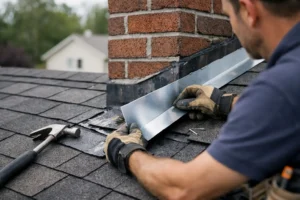
Many chimney problems start with water, not fire. Rain, snow, freeze-thaw cycles, and humidity can wear down masonry, rust metal components, and weaken the overall system. During a certified sweep visit, signs of moisture damage are often found early, especially around caps, crowns, flashing, and the upper chimney structure.
This is especially relevant in places like New Jersey, where weather puts real stress on exterior masonry. A neglected chimney may begin leaking long before the damage is visible inside the house. By the time stains show up on ceilings or walls, the repair scope is often bigger than homeowners expect.
5. More accurate recommendations
A dependable contractor should not sell repairs you do not need, but they also should not miss problems that put your home at risk. One of the practical certified chimney sweep benefits is getting recommendations based on inspection findings instead of guesswork.
That might mean hearing that your chimney only needs routine maintenance this year. It might also mean learning that a cap is missing, the flashing is failing, or the liner needs attention before you use the fireplace again. The value is in knowing what is urgent, what can be planned, and what can wait. That kind of clarity helps homeowners make smarter decisions and budget with less stress.
6. Safer operation for wood, gas, and oil systems
People often associate chimney sweeping only with wood-burning fireplaces, but venting systems for gas appliances and other heating equipment need attention too. Different fuel types create different residues and performance issues. A certified professional understands those differences and approaches the system accordingly.
This matters because the risks are not always dramatic or obvious. Sometimes the issue is poor draft. Sometimes it is corrosive residue. Sometimes it is a blocked flue that is affecting appliance performance. The right service depends on what your chimney is connected to and how the system is built.
7. Stronger peace of mind when hiring a contractor
Homeowners should never have to guess whether a service provider knows what they are doing on the roof, around masonry, or inside a venting system tied to fire safety. Certification adds a layer of confidence because it signals training, professionalism, and a commitment to doing the work correctly.
That does not mean every certified sweep is equal, and it does not mean certification alone guarantees great service. Responsiveness, insurance, communication, and workmanship still matter. But when you combine certification with a company that is clear about pricing, explains findings well, and respects your home, you are in a much better position than hiring based on the lowest number alone.
What a certified chimney sweep often catches that homeowners miss
Most chimney problems build gradually. A homeowner may notice a little odor, a little staining, or a little debris in the firebox and assume it is normal. Sometimes it is minor. Sometimes it is the first sign of a larger issue that has been developing for months.
A certified sweep may spot cracked mortar at the top of the stack, rust on the damper, evidence of moisture entering through the crown, or signs that the flue liner is not venting safely. They may also identify animal entry points, cap damage, or residue patterns that suggest incomplete combustion or poor airflow.
These findings matter because chimneys connect to several parts of the home at once. They affect the firebox, the masonry structure, the roofline, and the interior venting path. When one component starts failing, nearby materials often follow.
When the benefits depend on timing
Even the best chimney service has limits if maintenance is delayed too long. If a chimney has gone years without cleaning or inspection, a sweep may uncover issues that require repairs before safe use can continue. That is not bad news. It is useful news.
Timing changes the outcome. A routine appointment before heavy fireplace season is often straightforward and affordable. Waiting until smoke backs up into the home or moisture has already damaged masonry can turn the same visit into a larger repair conversation. The earlier the problem is found, the more options you usually have.
For homeowners who rarely use their fireplace, it is still worth getting the system checked. Animals, weather exposure, and material aging do not wait for frequent use. A chimney can develop serious issues even when the fireplace has been mostly idle.
Choosing a company, not just a cleaning
If you are comparing providers, look beyond whether they offer chimney sweeping. Ask whether they inspect as they clean, explain what they find, and handle repair work if a problem shows up. It is easier and safer when one qualified team can clean, assess, and address chimney and exterior issues without passing you between multiple contractors.
That is one reason homeowners often prefer working with a company that understands not just the flue, but also the crown, flashing, masonry, cap, and surrounding roof areas. Chimney performance is tied to the whole structure. A contractor that sees that bigger picture can often prevent repeat problems.
A good service call should leave you with a cleaner system, a clearer understanding of its condition, and a fair explanation of any next steps. That is what professional chimney care is supposed to do.
When your chimney is cleaned by someone trained to protect the full system, you are not just checking off seasonal maintenance. You are making a practical choice for your home, your safety, and the kind of peace of mind that lasts longer than one cold night by the fire.