Water usually tells on a chimney before homeowners notice the real problem. A white stain on brick, dampness near the fireplace, a musty smell after rain, or mortar starting to break apart are all early signs. If you’re wondering how to seal masonry chimney surfaces properly, the main goal is not to trap moisture inside. It is to keep outside water from soaking into the brick and mortar while still letting the chimney breathe.
That distinction matters. A masonry chimney is not like a concrete wall in a basement or a gap around a window frame. Brick and mortar naturally absorb moisture, then release it. When the wrong product is used, water gets locked in, freeze-thaw cycles do the rest, and the damage speeds up instead of slowing down.
How to Seal Masonry Chimney Surfaces Without Causing Damage
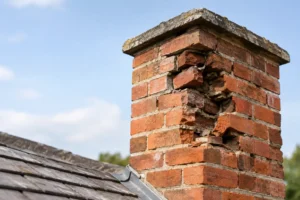
The safest approach starts with a full condition check. Before any sealer goes on, the chimney needs to be structurally sound enough to accept it. If bricks are spalling, mortar joints are missing, the crown is cracked, or flashing is loose, sealing the outside alone will not solve the problem.
This is where homeowners often lose time and money. They see water marks and assume a waterproof coating is the fix. In reality, chimney leaks often come from more than one source at the same time. The masonry may be porous, but the crown may also be cracked, the cap may be missing, or the roof flashing may be failing. A proper sealing job works best after those issues are handled.
Step 1: Inspect the chimney first
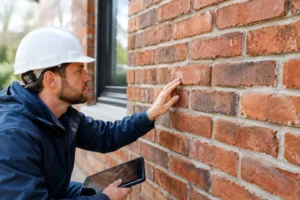
Start from the ground and look for obvious signs of wear. Cracked mortar joints, loose bricks, rust stains, missing chimney caps, and flaking masonry all point to water intrusion. Inside the home, check for stained walls or ceilings near the chimney chase, peeling paint, or a damp fireplace surround.
A close inspection is even better. The crown at the top should shed water away from the flue and edge of the stack. The flashing where the chimney meets the roof should sit tight and sealed. If any of these areas are compromised, the masonry sealer becomes only one part of the repair plan.
Step 2: Clean the brick and mortar
Masonry sealer needs a clean surface. Dirt, soot, mildew, and efflorescence can block absorption and leave you with uneven results. In most cases, a gentle masonry cleaner and low-pressure rinse are safer than aggressive pressure washing.
High pressure can damage older brick and blow out weak mortar joints. That is especially true on aging chimneys where the surface already shows wear. The goal is to clean the chimney, not strip it down.
Step 3: Make repairs before sealing
This step is the one people want to skip, and it is usually the most important. Repoint deteriorated mortar joints, replace damaged bricks, repair crown cracks, and address flashing problems first. If the chimney has active leaks or major deterioration, sealing over it will not stop long-term water entry.
A breathable water repellent helps protect sound masonry. It does not replace masonry repair. Think of it as a protective layer, not a shortcut.
Step 4: Choose the right sealer
For most brick chimneys, a breathable silane or siloxane-based water repellent is the right choice. These products penetrate the masonry and help reduce water absorption without forming a heavy surface film. That is what you want on a chimney.
What you do not want is a standard paint, tar coating, or non-breathable waterproof membrane on the exterior brick. Those can trap moisture inside the chimney system. Once trapped moisture freezes or heats up, masonry damage can get worse fast.
There are exceptions. Some specialty systems are designed for specific chimney conditions, including products used to seal smoke intrusion through interior masonry. But for exterior water protection on brick and mortar, breathability matters.
Step 5: Apply in the right conditions
A dry weather window is important. The chimney should be clean and fully dry before application, and the forecast should stay clear long enough for the product to cure. Cool or mild temperatures are usually better than very hot days, since quick evaporation can affect penetration.
Most professional-grade repellents are applied with a low-pressure sprayer, sometimes followed by back-brushing depending on the surface and product. Full coverage matters. Missed sections can leave weak spots where water keeps entering.
Where masonry chimney sealing helps most
A good chimney sealer is most useful when the brickwork is still in serviceable shape but regularly exposed to rain, snow, humidity, and freeze-thaw cycles. That is a common situation in New Jersey, where chimneys take a beating through winter and shoulder seasons.
Sealing helps reduce water absorption into brick and mortar. That can lower the risk of spalling brick faces, crumbling joints, interior moisture stains, and mold-friendly dampness around the fireplace area. It also helps preserve the appearance of the chimney by slowing the weathering process.
Still, sealing is not a cure-all. If water is entering through the top because of a bad crown or missing cap, or through the roof line because flashing has opened up, the sealer will not solve those paths of entry.
Common mistakes homeowners make
The most common mistake is using the wrong product. Many store-bought coatings promise waterproof protection, but not all are suited for chimney masonry. A glossy or film-forming product can look like strong protection while quietly trapping moisture underneath.
Another mistake is sealing a chimney too late. Once masonry has serious deterioration, active leaks, or large open joints, the better move is repair first. Waiting until chunks of mortar are missing means the chimney is already beyond simple maintenance.
Application timing also matters. If the chimney is damp, dirty, or recently patched with materials that have not cured properly, the sealer may not perform as expected. That leads to patchy absorption and disappointing results.
DIY or professional chimney sealing?
It depends on the chimney condition and the height of the work. A single-story chimney with easy access and no visible damage may be a manageable maintenance project for a careful homeowner using the right breathable product. Even then, product choice and surface prep matter a lot.
But once ladders, steep rooflines, deteriorated mortar, or leak diagnosis come into play, professional service is usually the safer call. Chimneys often fail in more than one place, and it takes experience to tell whether the real issue is porous masonry, crown damage, flashing separation, or a combination of all three.
There is also the safety side. Roof work around a chimney is not a casual weekend job. If the structure has loose brick or weakened mortar, climbing around it can create real risk.
Signs your chimney needs more than sealing
Some symptoms point to broader repair needs. If bricks are popping apart, mortar joints are recessed or falling out, the crown has wide cracks, the flue liner is damaged, or water is showing up inside the firebox, a simple exterior sealer is not enough.
The same goes for recurring leaks after prior sealing attempts. That usually means the source was misdiagnosed or more than one issue is contributing. A chimney cap, crown rebuild, flashing repair, repointing, or liner work may need to happen before waterproofing makes sense.
A reliable contractor will tell you that directly. At Adore Construction, the right approach is always based on what protects the chimney for the long run, not what sounds like the quickest sale.
How often should a masonry chimney be sealed?
Most quality breathable chimney water repellents last several years, but there is no single schedule that fits every home. Exposure, brick condition, weather, and prior repairs all affect longevity. A chimney that faces heavy wind-driven rain or harsh winter conditions may need attention sooner than one with less exposure.
The smarter plan is to have the chimney checked periodically and resealed when the masonry starts absorbing water again, not just by the calendar. Preventive maintenance usually costs much less than rebuilding brickwork after years of moisture damage.
What homeowners should remember
If you want to know how to seal masonry chimney brick the right way, start with the truth that sealing is a maintenance step, not a cover-up. Clean masonry, sound mortar, a solid crown, proper flashing, and the right breathable water repellent all work together. Skip one part, and the rest may not hold up the way you expect.
A chimney does not need fancy treatment. It needs the right repair at the right time, done with materials that match how masonry actually performs. When water is kept out without trapping moisture in, the chimney lasts longer, looks better, and causes fewer expensive surprises. That is the kind of home protection worth doing before the next storm tests it.