A fireplace can look perfectly fine from the living room and still hide a serious problem inside the flue. That is why homeowners need to know how to spot chimney liner damage before smoke problems, moisture, or a fire hazard turn into a much bigger repair.
Your chimney liner has one job that matters a lot – it protects your home. It helps carry smoke and gases out safely, shields nearby masonry from heat, and reduces the risk of dangerous buildup affecting the structure. When the liner starts to fail, the warning signs are not always dramatic. Sometimes they show up as small changes you could easily dismiss until the damage spreads.
Why chimney liner damage matters
A damaged liner is not just a chimney issue. It can affect indoor air quality, fireplace performance, and overall home safety. Cracks, gaps, corrosion, and deterioration can let heat, moisture, and combustion gases move where they should not.
That can lead to several problems at once. Smoke may spill back into the room. Creosote may build up faster. Water can get deeper into the chimney system. In more severe cases, nearby combustible materials may be exposed to excess heat. The liner is one of those components most homeowners never see, but when it fails, the consequences can get expensive quickly.
Older homes are especially worth watching. If the chimney was built years ago, the liner may be clay tile, metal, or a previous repair system that has already seen a lot of heating and cooling cycles. Age alone does not mean failure, but it does mean inspections matter more.
How to spot chimney liner damage from everyday warning signs
In many homes, the first clues show up during normal use. You may notice your fireplace is harder to start, the draft feels weak, or the room smells smoky even when the fire is small. Those issues do not always point to the liner alone, but they should not be ignored.
A strong odor coming from the fireplace, especially after rain or humid weather, can also signal trouble. If moisture is getting into the chimney and interacting with soot or creosote, the smell often gets worse. The liner may not be the only damaged part, but it is often part of the larger problem.
Pay attention to visible debris inside the firebox as well. If you see pieces of tile, flue material, or unusual fragments dropping down, that is a clear sign something inside the chimney is breaking apart. With clay tile liners, cracked sections can loosen over time and fall into the fireplace. That is never a wait-and-see issue.
Another clue is staining. Dark marks around the fireplace opening, excessive soot where it did not appear before, or discoloration on nearby walls can mean the chimney is not venting properly. Again, it depends on the exact cause, but liner damage belongs high on the list of possibilities.
What you might see during a basic visual check
Homeowners should not climb inside a chimney or try to diagnose hidden flue damage on their own, but you can still notice a few signs safely from accessible areas. Look at the firebox and damper area with a flashlight. If the surfaces appear heavily deteriorated, rusted, or coated with unusual residue, it may suggest a deeper venting issue above.
If you can see up into the flue from below, watch for obvious cracks, missing joints, warped metal, or rough interior surfaces that look broken instead of smooth and intact. With metal liners, corrosion or separation at the seams can be a red flag. With clay systems, any visible cracking is a problem because liners are meant to contain heat and gases, not leak them.
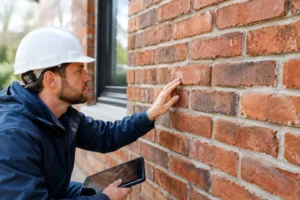
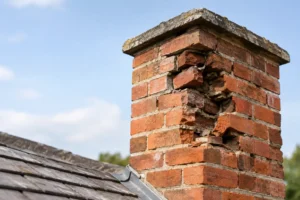
On the exterior, signs of water damage often go hand in hand with liner problems. Spalling brick, deteriorating mortar joints, and staining around the chimney can indicate long-term moisture intrusion. Water does not always damage the liner first, but it often accelerates failure once it gets in.
Common types of chimney liner damage
Not all liner damage looks the same, and the material affects how problems show up.
Clay tile liners often fail by cracking, separating at the joints, or breaking apart from heat stress and age. This is common in older chimneys. A single cracked tile can compromise the system, especially if heat or gases begin reaching the surrounding masonry.
Metal liners usually fail through rust, corrosion, punctures, or seam separation. If the appliance attached to the chimney is producing acidic condensation, deterioration can move faster than many homeowners expect. That is one reason fuel type and venting setup matter.
Cast-in-place systems can also deteriorate, though often in different ways. If there are fractures, settling issues, or installation defects, performance can suffer over time. No liner type is completely maintenance-free. The difference is in how damage develops and how long it goes unnoticed.
Signs the problem may already be serious
Some symptoms suggest you should stop using the fireplace or appliance until a professional checks it. If smoke enters the home consistently, if you smell strong exhaust odors, or if you hear unusual sounds like debris shifting inside the chimney, that is enough reason to call.
White staining on the outside of the chimney, heavy moisture around the firebox, and rust on the damper or fireplace components can also point to prolonged internal damage. If your chimney has had a chimney fire in the past, even a minor one, the liner should be treated with caution. Extreme heat can crack clay tiles or warp metal components even when the damage is not visible from the ground.
A sudden drop in performance matters too. If your fireplace or heating appliance worked fine before and now drafts poorly, produces more odor, or leaves behind unusual soot patterns, something in the system has changed. The liner may be part of that change.
Why a camera inspection usually tells the real story
This is where DIY reaches its limit. Knowing how to spot chimney liner damage helps you catch warning signs early, but confirming the extent of the problem usually requires a proper inspection. A video camera inspection allows a technician to see cracks, gaps, corrosion, blockages, and other defects that are impossible to evaluate from the firebox alone.
That matters because chimney issues are often layered. You may have liner damage plus water entry from a failed crown or cap. You may have drafting problems made worse by creosote buildup. You may have an older liner that no longer matches the heating appliance venting into it. The repair approach depends on what is actually happening inside.
A small isolated defect and a full liner failure are not the same job. One may call for targeted repair, while the other may require relining the chimney with a safer, longer-lasting system. Guessing is where homeowners usually lose time and money.
When to call a professional instead of waiting
If you have any visible signs of liner deterioration, unusual fireplace performance, recurring smoke smell, or evidence of moisture inside the chimney system, it is time to schedule an inspection. Waiting rarely makes chimney damage cheaper. Heat, moisture, and freeze-thaw cycles tend to make these problems worse, not better.
This is especially true in New Jersey, where seasonal weather can put extra stress on masonry chimneys. A liner that is already compromised may decline faster through winter use and repeated freezing conditions. What starts as a crack can become a bigger structural and safety issue by the next burn season.
A qualified chimney contractor can determine whether the liner can be repaired, needs to be replaced, or if another part of the chimney is causing similar symptoms. The goal is not just to patch a visible issue. It is to restore safe venting and protect the home long term.
If your fireplace has been acting different lately, trust that instinct. Homeowners do not need to diagnose every technical detail themselves. You just need to catch the warning signs early and get the right set of eyes on the problem. That one decision can prevent a much larger repair later.