The week before a roof replacement can feel a little chaotic. Cars need to move, patio furniture has to be cleared, and suddenly you are noticing every fragile item hanging on your walls. If you are wondering how to prepare for roof replacement without turning your whole household upside down, the good news is that a little planning goes a long way.
A full roof replacement is a major project, but it should not be a mystery. Most problems homeowners run into are not caused by the roofing work itself. They come from being caught off guard by noise, debris, limited driveway access, or a timeline that affects the rest of the property. When you know what to expect and what to do before the crew arrives, the job moves faster and with less stress.
How to prepare for roof replacement before work starts
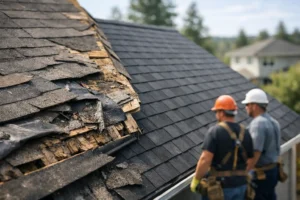
The first step is confirming the project details with your contractor. Make sure you understand the start date, estimated duration, work hours, dumpster placement, material delivery schedule, and whether there is any chance of plywood replacement or unexpected repairs once the old roof is removed. Roof replacement is one of those jobs where hidden damage can change the scope, especially on older homes or roofs that have had leaks for a while.
This is also the time to ask practical questions, not just price questions. Ask where materials will be staged, how the crew will protect landscaping, and what kind of cleanup process will be used each day. A dependable contractor should be able to explain this clearly. If communication is vague before the job starts, that usually does not improve once the project is underway.
It helps to think of preparation in three parts: protecting your property, protecting your daily routine, and protecting your budget from avoidable surprises. That approach keeps you focused on what matters instead of scrambling the night before.
Clear the areas around your home
Roofing crews need space to work safely and efficiently. Move vehicles out of the driveway and away from the house so crews have room for material delivery, tear-off debris, and equipment. If your garage door opens close to the work zone, plan on limited access during active roofing hours.
Outdoor furniture, grills, potted plants, toys, bicycles, and decorative items should be moved away from the perimeter of the house. Even with careful setup, debris can fall during tear-off. The same goes for anything mounted near the exterior walls that could be affected by vibration or dust.
If you have landscaping beds close to the house, ask whether they should be covered or flagged. Mature shrubs and foundation plantings can usually be protected, but delicate flowers and small decorative pieces are more vulnerable. It depends on how tight the work area is and how steep the roof is.
Protect what is inside too
Many homeowners focus on the yard and forget the interior. Roof replacement creates vibration. That can affect items hanging on upstairs walls, shelves, and sometimes even ceiling-mounted fixtures. Remove fragile decorations, mirrors, and anything valuable that could shift or fall during the job.
If you store items in the attic, cover them with sheets or plastic if possible. Dust and small particles can make their way through older attic spaces during tear-off. This does not happen in every home, but it is common enough that it is worth the extra few minutes.
For households with infants, remote workers, elderly family members, or anyone sensitive to loud noise, make a plan in advance. Roofing is not quiet work. There will be hammering, footsteps overhead, and constant movement. Some homeowners stay home during the process, while others plan to be out for most of the day. Neither choice is wrong, but it is better to decide ahead of time.
What to do the day before roof replacement
By the day before installation, you want the property ready and your schedule adjusted. This is the point where small details matter. Unlock gates if the crew needs backyard access. Make sure outdoor electrical outlets are accessible if they will be used. If you have pets, confirm where they will stay during the work.
Dogs in particular can be stressed by the noise and unfamiliar activity. Even calm pets may react differently when strangers are walking the roof and materials are being dropped into a dumpster. Keeping pets indoors in a quiet room may work for some homes, but for others it is easier and safer to arrange off-site care for the day.
You should also cover or move items in the garage if it sits directly under the roofline being replaced. Fine debris can find its way in if doors are opened during the project. If your contractor is placing a dumpster in the driveway, make sure everyone in the household knows that parking and entry may be different for a few days.
Let your neighbors know
This step is simple, but it helps. A roof replacement affects more than your household. There will be noise, truck traffic, and workers moving around the property. Giving neighbors a quick heads-up is a practical courtesy, especially if homes are close together.
In many New Jersey neighborhoods, driveways are tight and houses are close to the property line. A short conversation can avoid confusion about parking, noise, or temporary access issues. Good contractors work hard to keep the site orderly, but a little communication from the homeowner helps smooth things over.
Budget for the parts you cannot see
One of the most overlooked parts of how to prepare for roof replacement is financial preparation. Homeowners often focus on the quoted price and forget that roof tear-off can reveal damaged decking, rotted fascia, compromised flashing, or ventilation issues. Not every roof has hidden problems, but enough do that you should leave room in your budget for them.
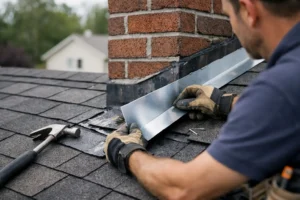
This does not mean expecting the worst. It means understanding that roofing systems are layered, and some parts are not visible until the old materials come off. If your home has had recurring leaks, chimney flashing issues, or water stains in the attic, the odds of additional repairs are higher.
Ask your contractor how change orders are handled if hidden damage is found. You want a clear approval process, not a surprise invoice after the fact. Professional roofing companies explain what was found, why it matters, and what it costs before extra work begins.
Check access points and power needs
Most roof replacement projects need smooth access around the home. Unlock side gates, move anything blocking walkways, and keep children away from active work areas. Roofing is one of those jobs where safety depends on everyone respecting the work zone.
You may also want to ask whether the crew will need access to power or water. Some do, some do not, depending on the scope of work and equipment. It is a small detail, but having it settled in advance prevents delays on the first morning.
Prepare for cleanup, not just installation
Homeowners usually think about the tear-off and the new shingles, but cleanup matters just as much. A reliable contractor will use tarps, magnetic tools, and site checks to collect nails and debris, but you should still know what the cleanup plan looks like before the job starts.
Ask whether cleanup happens daily or only at the end of the project. If weather delays the work, you want to know how the property will be secured overnight. You should also ask what areas will be checked for nails, especially around flower beds, walkways, driveways, and play areas.
If you have children who play outside or pets that use the yard, wait until the contractor confirms the final cleanup is complete before letting them back into those spaces. Even the best crews need time to do a proper sweep.
A few smart moves that make the project easier
If you want the project to go smoothly, keep your phone available during work hours in case the crew lead or project manager needs a quick decision. Make sure someone is reachable if you will be away from the property. Delays often happen when a simple question about access, decking, or flashing cannot be answered quickly.
It also helps to keep expectations realistic. A roof replacement is disruptive for a short time, even when the crew is organized and the workmanship is excellent. There will be noise, movement, and moments when the property feels like an active job site, because it is. What matters is that the work is done safely, correctly, and with respect for your home.
That is the standard homeowners should expect from a contractor, and it is the standard Adore Construction believes in. Good preparation does not just protect your belongings. It puts you in a better position to ask the right questions, avoid preventable stress, and get the long-term result your home actually needs.
A new roof is a major investment, but it is also one of the clearest ways to protect everything underneath it. When the day arrives, being prepared means you can focus less on the disruption and more on the peace of mind that comes after the last shingle is installed.