Key Highlights
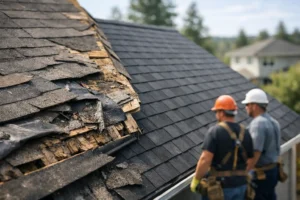
- A standard roof replacement in New Jersey typically takes 1 to 2 days, but this can change.
- New Jersey weather conditions like rain, snow, and extreme temperatures can cause significant delays in the roofing process.
- The type of roofing materials you choose, such as asphalt shingles or metal, directly impacts the project timeline.
- The size and complexity of your roof are major factors in determining how long the roof replacement will take.
- Working with professional roofing contractors helps manage weather delays and ensures a quality installation.
Introduction
When it’s time for a roof replacement, homeowners in New Jersey often wonder about the timeline. A new roof is a vital investment for protecting your home, but the process can seem disruptive. Understanding how long it takes is key to planning accordingly. The duration depends on several factors, from the size of your roof to the unpredictable New Jersey weather. Working with experienced roofing contractors ensures the project is completed efficiently, minimizing disruption to your daily life while securing your home against the elements.
Understanding Roof Replacement Timelines in New Jersey
The roof replacement timeline in New Jersey isn’t a one-size-fits-all answer. For an average-sized home using common materials like asphalt shingles, the job can often be done in just 1 to 2 days under typical weather conditions. However, this is just a baseline.
Your specific roofing project could take longer. Factors like extreme weather conditions, the complexity of your roof’s design, and the materials chosen all play a role. A winter roof replacement project, for example, may face delays due to cold and snow, extending the timeline beyond the average.
Why Roof Replacement Duration Matters for NJ Homeowners
For New Jersey homeowners, the duration of a roof replacement is more than just an inconvenience. A lengthy project means your home is exposed to potential water damage for a longer period, especially if unexpected rain occurs during the roofing work. A quick and efficient process minimizes this risk.
Additionally, scheduling is a key concern. You should expect potential timeline changes, as roofing contractors must adapt to weather. Open communication about possible delays is crucial. A new roof also impacts your home’s energy efficiency. Completing the project promptly means you start benefiting from better insulation and lower energy bills sooner.
Ultimately, knowing the timeline helps you plan your life around the work, from managing pets and children to arranging your schedule. A predictable process provides peace of mind and ensures your investment is protected from start to finish.
Typical Roof Replacement Timeline in the Garden State
In New Jersey, a typical roof replacement timeline for a standard-sized home using asphalt shingles is about 1 to 2 days. This assumes good weather and a straightforward roof design. An efficient roofing team can remove the old materials, inspect the underlying structure, and install the new roof within this window.
The roof size is one of the most significant factors. A smaller home under 2,500 square feet fits the 1-2 day estimate, while larger or more complex roofs will naturally take longer. The material also plays a big part in the schedule.
Here is a general breakdown of how different materials affect the timeline:
|
Roofing Material |
Average Installation Time |
|---|---|
|
Asphalt Shingles |
1-2 Days |
|
Metal Roofing |
2-3 Days |
|
Slate Tiles |
6-7 Days |
|
Concrete Tiles |
8-9 Days |
Key Factors That Affect Roof Replacement Time in NJ
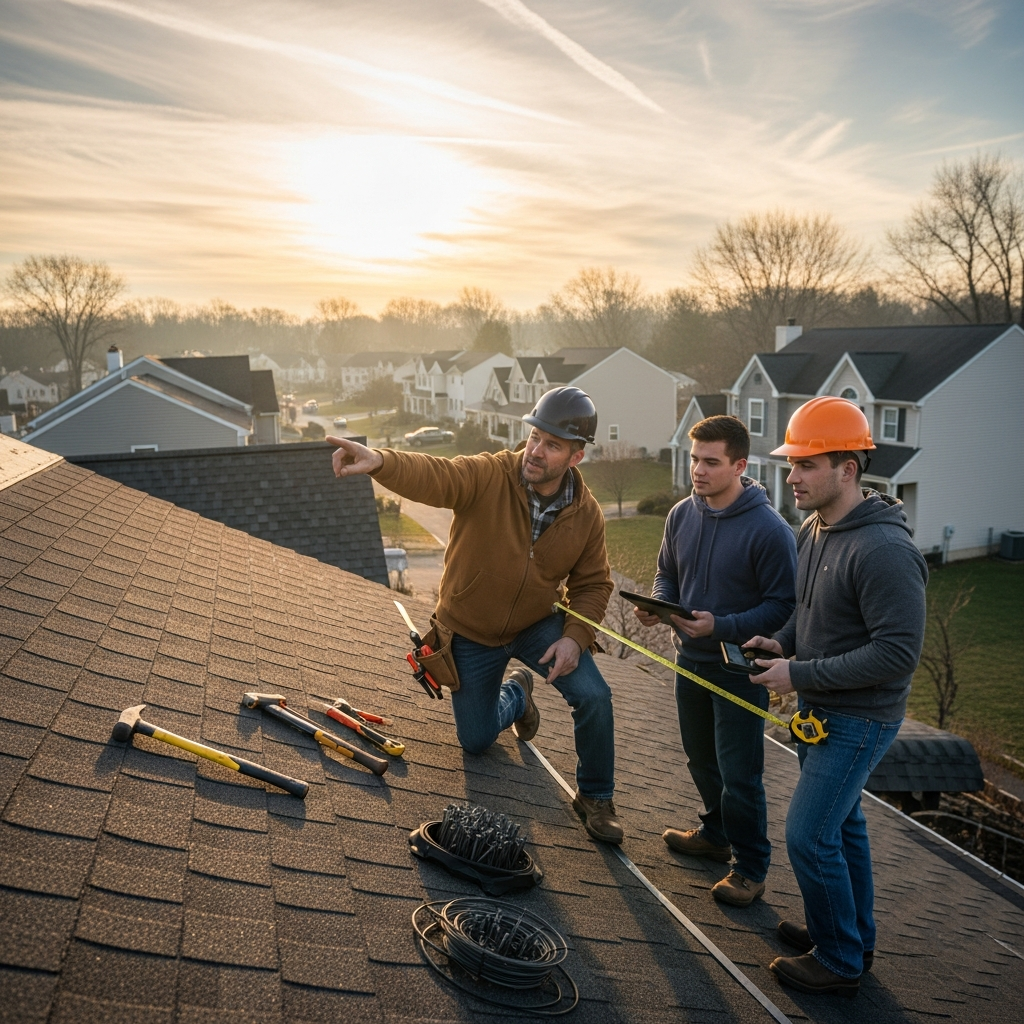
Several key factors determine the duration of your roof replacement. The roof size and complexity are primary drivers; a large, steep, or intricate roof will require more time than a simple, smaller one. The choice of roofing materials also significantly impacts the schedule, as some are more labor-intensive to install than others.
Weather conditions in New Jersey are another major variable that can cause delays. Rain, high winds, or extreme temperatures can halt work for safety and quality reasons. Experienced roofing contractors monitor forecasts closely and build contingency plans into the schedule to manage these potential interruptions effectively.
The Role of Roofing Materials and Design
The type of roofing material you select is a critical factor in your project’s timeline. Some materials are designed for quick installation, while others demand more time and specialized skills. Asphalt shingles, the most common choice, are lightweight and relatively easy to handle, allowing for a fast turnaround.
In contrast, other materials require more meticulous work. For instance, metal roofing involves precise cutting and fitting, which adds to the installation time. Heavier options like slate or concrete tiles take even longer, as the roof decking may need reinforcement to support the extra weight. Your roof’s design, such as its pitch and the number of valleys or dormers, also adds complexity and extends the project duration.
Here’s how different types of roofing materials can affect the timeline:
- Asphalt Shingles: Fastest to install, typically taking 1-2 days.
- Metal Roofing: Requires more precision and can take 2-3 days.
- Slate or Concrete Tiles: Heavy and require specialized techniques, often taking a week or more.
How Weather Patterns in New Jersey Impact Scheduling
New Jersey’s unpredictable weather patterns can significantly impact roof replacement schedules. Roofing work requires dry, calm conditions for safety and proper installation. Rain, snow, or even high humidity can prevent new shingles from sealing correctly, compromising the quality of your new roof.
Extreme temperatures also pose a challenge. In the summer, intense heat can make shingles too soft to install properly and create unsafe working conditions for the crew. In winter, cold can make materials brittle and difficult to work with. Likewise, high winds make it dangerous to work on a roof and can prevent materials from being securely fastened.
Any of these weather conditions can cause delays ranging from a few hours to several days. A reputable contractor will always prioritize safety and quality, meaning they will pause work if the weather in New Jersey is not suitable for roofing.
Seasonal Impacts on Roof Replacement in New Jersey
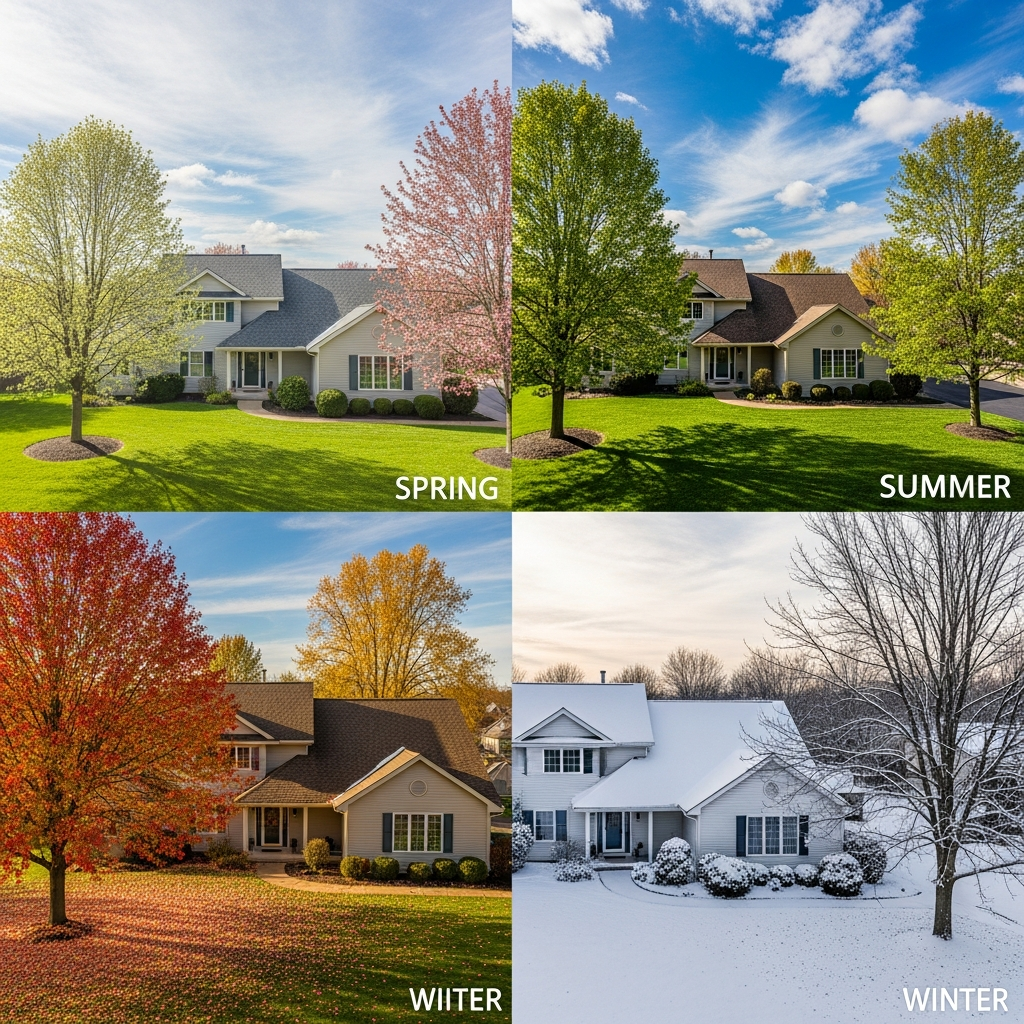
The season you choose for your roof replacement in New Jersey has a direct effect on the project’s speed and smoothness. The seasonal impacts are tied to weather conditions, daylight hours, and contractor availability. Certain times of the year offer more favorable weather, allowing work to proceed without interruption.
Generally, a roofing project is faster in seasons with mild temperatures and less precipitation, like late spring and early fall. These periods provide optimal conditions for materials to cure and for crews to work efficiently. Understanding how each season affects the roofing process will help you plan your project for the best possible outcome.
Timing Your Project for Spring, Summer, Fall, or Winter
Choosing the right time for your roofing project in New Jersey can make a big difference. Fall is often considered the ideal season. The cool, mild weather in early fall provides perfect conditions for shingles to seal properly before winter arrives.
Late spring and early summer are also excellent choices. These seasons offer longer daylight hours, allowing roofing crews to complete more work in a single day. However, you must watch out for spring showers and the intense heat of mid-summer, which can cause delays. Winter is the most challenging season due to cold, snow, and ice, but it may be necessary for emergency replacements.
For a faster roof replacement, consider these recommended times:
- Late Spring (May): Mild weather and long days.
- Early Summer (June): Dry conditions before peak heat.
- Early Fall (September and October): Optimal temperatures and low humidity.
Comparing Roof Replacement Speed by Season
In New Jersey, the roof replacement timeline can vary significantly depending on the season. Fall and spring generally offer the fastest completion times due to optimal weather conditions. During these months, moderate temperatures and lower chances of extreme weather allow the roofing process to move forward without delays.
Summer can also be a fast season, thanks to long days, but extreme temperatures can slow down crews for safety reasons. Winter is typically the slowest season. Cold weather makes materials harder to work with, and the constant threat of snow and ice can lead to frequent postponements, extending the roof replacement timeline.
Here’s a comparison of how seasons affect replacement speed:
|
Season |
Average Speed |
Common Delays |
|---|---|---|
|
Spring |
Fast |
Unpredictable rain showers |
|
Summer |
Fast |
Extreme heat, afternoon thunderstorms |
|
Fall |
Fastest |
Limited daylight, high contractor demand |
|
Winter |
Slow |
Cold temperatures, snow, ice, short workdays |
What You Need to Get Started with Roof Replacement in NJ
Starting a roof replacement in New Jersey involves a few key steps. First, you’ll need to assess the condition of your current roof to confirm a replacement is necessary. This is followed by selecting the right roofing materials for your home’s style and budget.
The most crucial step is choosing reputable roofing contractors who are experienced with New Jersey’s climate. A professional will guide you through the process, from obtaining permits to scheduling the work around potential weather interruptions. With the right team and materials, you can ensure a smooth and successful project.
Essential Tools and Materials for a Smooth Project
To begin your roof replacement, your contractor will need a specific set of tools and materials. While you won’t be handling them yourself, knowing what’s involved helps you understand the process. The project starts with basic safety gear, ladders, and tools for removing the old roofing.
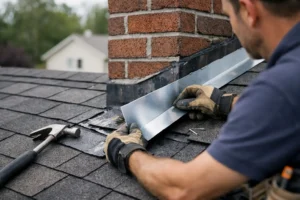
Once the old material is gone, the crew inspects the roof deck for any damage and makes necessary repairs. Then, they lay down new underlayment and flashing to create a waterproof barrier. Finally, the new shingles or other chosen roofing material is installed. The specific type of roofing material will determine the exact tools needed.
Key materials for a typical project include:
- Underlayment and Ice/Water Shields: Provides a protective layer on the roof deck.
- New Shingles: The primary material, such as asphalt shingles, which will form the outer layer of your roof.
- Flashing and Drip Edge: Metal pieces that direct water away from vulnerable areas.
Choosing the Right Contractor for New Jersey Weather Challenges
Selecting the right roofing contractor is vital for navigating New Jersey’s weather challenges. An experienced local contractor understands the regional climate and knows how to schedule work to minimize weather-related delays. They will have contingency plans in place for sudden rain or wind.
When vetting roofing contractors, ask how they handle delays. A professional team will communicate proactively, keeping you informed about any necessary changes to the schedule. Check for reviews that mention their reliability and customer satisfaction, especially regarding timelines. High contractor availability during peak seasons can be limited, so it’s wise to book in advance.
Look for a contractor who:
- Has extensive experience working in New Jersey.
- Maintains clear communication about scheduling and weather conditions.
- Prioritizes safety and quality over rushing a job in poor weather. At Adore Construction, we offer Professional Chimney & Roofing Service in New Jersey, ensuring your project is handled with expertise.
Step-by-Step Guide: How Roof Replacement Happens in NJ Weather
The roof replacement process in New Jersey follows a structured sequence, though weather conditions can influence each stage. From the initial inspection to the final cleanup, every step is planned to ensure a high-quality roof installation that can withstand local weather.
A professional roofing team will manage the entire project, adapting to challenges as they arise. Understanding this step-by-step guide will give you a clear picture of what to expect when replacing your roof in the Garden State, including how the weather can affect the timeline and workflow.
Step 1: Scheduling Your Roof Inspection and Estimate
The first step in any roof replacement is to schedule a professional roof inspection. A qualified contractor will assess the overall condition of your roof, looking for signs of wear, damage, and potential underlying issues that aren’t visible from the ground. This thorough evaluation determines whether a replacement is truly necessary or if repairs would suffice.
Following the inspection, you will receive a free estimate. This document outlines the projected costs for labor, materials, and any necessary repairs to the roof structure. It’s a good idea to get estimates from a few different roofing contractors to compare pricing and services.
During this initial phase, the contractor will:
- Examine your current roof for damage.
- Check for structural or underlying issues with the decking.
- Provide a detailed quote for the full replacement. This step is less affected by weather, as inspections can often be done even in imperfect conditions.
Step 2: Preparing for Weather-Related Delays
Once you’ve chosen a contractor, the next step is scheduling the work. At this stage, it’s crucial to prepare for potential weather-related delays. Your roofing team will monitor the forecast closely in the days leading up to your roofing project. If rain, high winds, or other poor weather conditions are predicted, they may need to postpone the start date.
Flexibility is key. A good contractor will maintain open communication with you about any scheduling adjustments. They will never start a tear-off if there’s a high chance of rain, as this could leave your home exposed to water damage. The goal is to find a clear window of good weather to complete the roof replacement process safely and effectively.
This proactive approach to scheduling ensures that the quality of the installation is not compromised. The roofing team will work with you to find the next available date to get your project back on track as soon as the weather improves.
Step 3: Roof Removal, Installation, and Dealing with NJ’s Conditions
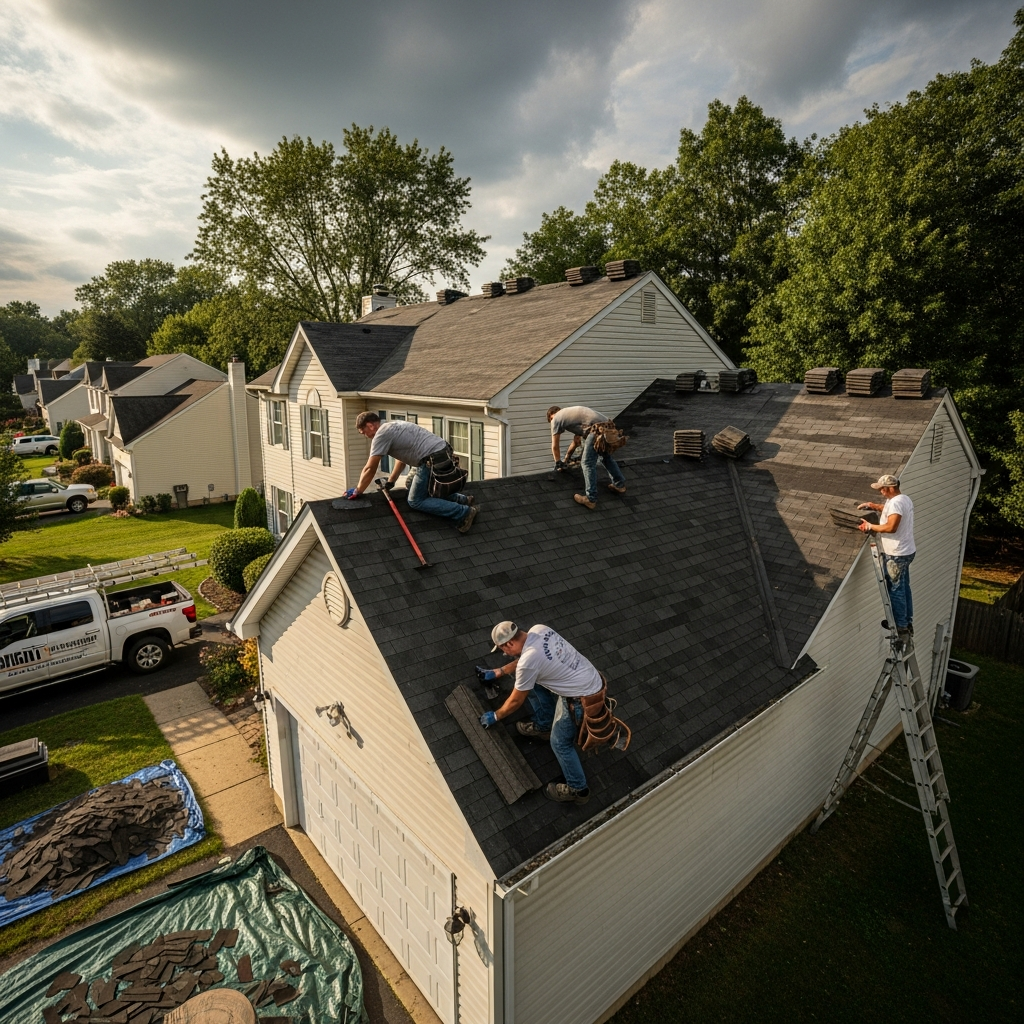
On installation day, the roofing process begins with the roof removal. The crew will tear off the old shingles and inspect the decking underneath for any rot or damage. This is a critical moment where weather conditions are paramount; the roof must be open only during clear, dry weather.
Next comes the roof installation. The team will lay down underlayment and install the new roofing material. If working with asphalt shingles, temperatures need to be warm enough for the adhesive strips to seal properly. Cold or wet weather can hinder this, which is why your contractor will schedule work carefully around NJ’s conditions.
The final part of this step is a thorough cleanup of your property. The crew will remove all old materials and debris, leaving your yard as they found it. The entire roofing process, from removal to cleanup, is planned to work within favorable weather windows to ensure a successful outcome. This includes:
- Tearing off old materials in dry conditions.
- Installing the new roof when temperatures are optimal.
- Conducting a final inspection and cleanup.
Conclusion
In conclusion, understanding the timeline for roof replacement in New Jersey is crucial for homeowners navigating the region’s unique weather challenges. Factors such as roofing materials, design, and seasonal weather patterns play a significant role in the duration of the project. By being proactive and preparing for potential delays, homeowners can ensure a smoother experience. Whether it’s scheduling inspections or choosing the right contractor, taking these steps will lead to successful roof replacement that stands up to New Jersey’s climate. Don’t hesitate to reach out to our experts for a consultation to discuss your roofing needs and how we can assist you through the process.
Frequently Asked Questions
How many days does it usually take to replace a roof in typical NJ weather?
In New Jersey, a standard roof replacement on an average-sized home typically takes 1 to 2 days, assuming good weather. This timeline can be affected by the roof size, complexity, and the efficiency of the roofing contractors. The roofing process is quickest with common materials like asphalt shingles.
Can rain or snow in New Jersey make a roof replacement take longer?
Yes, rain and snow in New Jersey will absolutely make a roof replacement take longer. For safety and quality reasons, roofing work must be paused during precipitation. These weather conditions force scheduling changes, and your roofing project will be delayed until the weather clears and the roof is dry.
Is it possible to replace a roof during very cold temperatures in NJ?
While it is possible to replace a roof in New Jersey during cold temperatures, it presents challenges. Some roofing materials, like asphalt shingles, can become brittle and may not seal properly. The installation process may take longer, but experienced contractors can use special techniques for winter installations if necessary.
What should NJ homeowners expect regarding scheduling and delays?
New Jersey homeowners should expect some flexibility in their roof replacement scheduling. Delays are possible due to unpredictable weather conditions or high contractor availability during peak season. It’s important to maintain open communication with your contractor, who will keep you updated on any necessary changes to the timeline.