A chimney can look solid from the outside and still have serious problems hidden inside the flue. That is usually where homeowners start asking, what is thermocrete chimney lining, and whether it is a real fix or just another contractor term. The short answer is that Thermocrete is a cast-in-place chimney lining system designed to restore the inside of a damaged masonry flue, improve safety, and help the chimney vent more properly.
If your chimney has cracked clay tiles, gaps in the mortar joints, smoke issues, or signs of age-related deterioration, this type of lining can be a practical solution. It is not the right answer for every chimney, but in the right situation, it can extend the life of the system without requiring a full rebuild.
What is thermocrete chimney lining?
Thermocrete chimney lining is a process that coats or rebuilds the interior of a masonry chimney flue using a specialized insulating cement-like material. Instead of dropping in a metal liner alone, the technician applies the Thermocrete material inside the flue to create a smoother, more continuous venting path.
That matters because many older chimneys were built with clay flue tiles. Over time, those tiles can crack, separate, or lose mortar at the joints. Once that happens, heat, smoke, moisture, and combustion gases can move into areas they should never reach. A damaged flue is not just inefficient. It can become a fire and carbon monoxide risk.
Thermocrete is used to repair and reshape the interior passage so the chimney can vent more safely and consistently. It also adds insulation value, which can help maintain flue temperatures and improve draft.
How Thermocrete lining works
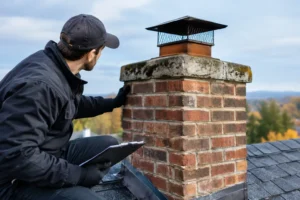
The process starts with a full inspection. A contractor needs to know whether the chimney structure is stable enough for restoration and whether Thermocrete is the best fit for the appliance attached to it. If the chimney has major collapse, severe water damage, or sizing issues that call for a different system, another repair approach may make more sense.
When Thermocrete is used, the flue is cleaned first. Any soot, creosote, loose debris, or failing material has to be removed so the new lining can bond correctly. After preparation, the castable material is applied inside the flue with specialized equipment that helps form a uniform inner surface.
Once cured, the new liner creates a more sealed passage for exhaust gases. The finished result is meant to reduce leakage through cracks and gaps while improving the overall performance of the chimney.
Why homeowners choose Thermocrete
For many homeowners, the biggest reason is safety. A chimney liner is there to protect the home from heat transfer, smoke escape, and gas leakage. When the original flue liner is damaged, that protection is compromised.
Thermocrete can also help when an older chimney is rough on the inside. Interior damage, missing mortar, and uneven surfaces can disrupt the draft. That may lead to poor venting, smoky fireplace operation, or moisture problems that keep getting worse. By restoring the inner wall of the flue, Thermocrete can help the system vent more efficiently.
There is also a durability advantage. A properly installed cast-in-place liner can reinforce the chimney interior and provide long-term protection against further wear. That does not mean the chimney is maintenance-free, but it can mean fewer issues caused by aging clay tile liners.
When Thermocrete chimney lining makes sense
The best use case is usually an existing masonry chimney with a damaged or deteriorated flue that still has a sound outer structure. If the chimney shell is in decent condition but the interior liner has failed, Thermocrete may allow restoration without taking the whole chimney apart.
It can be especially useful in older homes where the flue has seen years of heat cycling, moisture intrusion, and neglect. In those cases, the problem is often inside the system, where homeowners cannot see it until an inspection reveals cracked tiles or open joints.
Thermocrete may also be recommended when the current flue shape or condition makes venting unreliable. Restoring a more continuous interior can improve performance, especially when draft has been inconsistent.
What Thermocrete does not solve
This is where a good contractor should be straight with you. Thermocrete is not a cure-all.
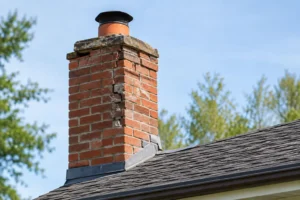
If the chimney has major structural movement, a leaning stack, serious crown failure, widespread brick deterioration, or water damage throughout the structure, lining alone will not fix the root issue. Those exterior and structural problems need to be addressed too. Otherwise, the chimney may continue to deteriorate around the new liner.
It is also not automatically the best choice for every appliance. Chimney liner selection depends on what the flue is venting, whether that is a fireplace, furnace, boiler, or stove. Sizing, temperature, fuel type, and moisture levels all matter. In some cases, a stainless steel liner may be the better option.
Thermocrete vs. stainless steel liners
Homeowners often hear about stainless steel liners and Thermocrete at the same time, and the difference can be confusing. Both are legitimate chimney liner solutions, but they work differently.
A stainless steel liner is typically inserted into the chimney as a separate metal vent. It is often used for gas appliances, oil systems, wood stoves, and many chimney relining projects. It is versatile and common for a reason.
Thermocrete is a cast-in-place solution that restores the flue interior itself. It is often chosen when the goal is to repair a damaged masonry flue from within and improve insulation and structural integrity at the same time.
The better choice depends on the condition of the chimney, the type of appliance, local code requirements, and the performance goals of the repair. A trustworthy chimney contractor should explain why one option fits your setup better than the other instead of pushing a one-size-fits-all answer.
Signs your chimney may need relining
Most homeowners do not know they have a liner problem until an inspection uncovers it. Still, there are a few warning signs worth paying attention to.
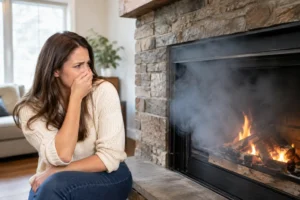
If you notice smoke backing into the home, a fireplace that drafts poorly, strong odors from the chimney, bits of tile or flue material in the firebox, or recurring moisture issues around the chimney, those can all point to internal liner damage. White staining on the masonry, crumbling mortar, and water entry can also suggest that the chimney system is under stress.
The more direct answer comes from a professional chimney inspection, especially one that includes a camera evaluation of the flue. That is often the only way to see cracks, gaps, and deterioration clearly.
What to expect from a professional recommendation
A solid recommendation should be based on the actual condition of your chimney, not a generic sales pitch. That means the contractor should inspect the flue, explain what is damaged, and show how the proposed repair addresses the problem.
If Thermocrete is recommended, ask why it fits your chimney. Ask whether the issue is flue tile damage, poor insulation, leakage, draft performance, or a combination of those factors. You should also ask whether any crown, flashing, masonry, or waterproofing repairs are needed at the same time. A liner performs best when the rest of the chimney is protected too.
For homeowners in New Jersey, freeze-thaw weather makes that full-system view even more important. Water gets into small chimney defects, then cold temperatures make them worse. A liner repair can be a smart investment, but only when the chimney is being protected inside and out.
Is Thermocrete chimney lining worth it?
If your chimney has internal flue damage but the structure can still be restored, Thermocrete can be worth it because it addresses a serious safety issue and can improve long-term performance. It is often more than a cosmetic repair. It is a way to rebuild the venting path that your chimney depends on.
That said, worth depends on condition. If the chimney has multiple failing components, the best value may come from a broader repair plan rather than a liner alone. Good workmanship and proper diagnosis matter more than choosing a product name.
At its best, Thermocrete chimney lining gives an aging masonry chimney a second life. It helps the system vent the way it was meant to, reduces hidden risk, and protects the home where it counts most – inside the flue. If you suspect your chimney liner is failing, getting a clear inspection now is a lot easier than dealing with smoke damage, water damage, or fire risk later.