If you are wondering how to choose chimney inspection level, the short answer is this: it depends on what has changed, what warning signs you are seeing, and how much of the system needs to be evaluated. A chimney that has worked fine for years may only need a routine check. A chimney with leaks, smoke problems, storm damage, or recent repairs may need a much closer look.
For homeowners, the confusion usually starts with the terminology. Level 1, Level 2, and Level 3 inspections are not upsells when they are used correctly. They are different inspection depths for different situations. Choosing the right one matters because too little inspection can miss a fire or water risk, while too much may not be necessary if the system is straightforward and performing normally.
What the chimney inspection levels actually mean
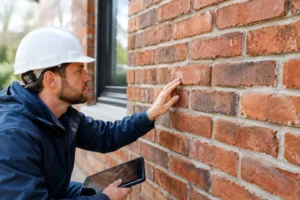
A Level 1 inspection is the basic annual inspection for a chimney that has not changed and is being used the same way it has been used before. The inspector looks at the readily accessible parts of the chimney and fireplace or appliance connection. The goal is to confirm that the structure and flue are sound enough for continued service and free of obvious buildup or blockages.
A Level 2 inspection goes further. It is used when something has changed, or when there is a reason to question the condition of hidden areas. This level often includes a camera scan of the flue and a more detailed review of accessible attic, crawl space, and basement areas related to the chimney system. It is the common choice after a chimney fire, after severe weather, before buying or selling a home, or when a fuel type or appliance has changed.
A Level 3 inspection is the most invasive. It is only used when a serious hazard is suspected and the problem cannot be confirmed any other way. That may mean opening up portions of the chimney chase, wall, or surrounding materials to inspect concealed areas. Homeowners understandably want to avoid this level, but when there is evidence of a dangerous condition, it can be the safest path forward.
How to choose chimney inspection level for your home
The best way to decide is to start with your situation, not the label. Ask what has changed since the last inspection and whether the chimney is showing signs of stress, moisture, blockage, or internal damage.
If you use your fireplace or venting system regularly and nothing has changed, a Level 1 inspection is usually the right starting point. This applies when the chimney has a known service history, no recent damage, and no performance problems. It is the maintenance check that helps catch early wear before it becomes expensive.
If you have had any major change, Level 2 is usually the safer choice. That includes switching from wood to gas, installing a new insert, relining the flue, replacing the crown, rebuilding masonry, or noticing problems such as smoke backup, strong odors, staining, or water leaks. A home purchase also falls into this category because the new owner does not have firsthand knowledge of how the chimney was used or maintained.
If there is evidence of a hidden hazard, Level 3 may be necessary. This is less common, but it should not be delayed when there are serious concerns. Signs might include a suspected chimney fire, severe structural movement, missing interior liner sections, or damage that suggests nearby combustible materials may be exposed.
When a Level 1 inspection makes sense
A Level 1 inspection is for a chimney that is in continued service under the same conditions. If you have lived in the home for years, use the same fireplace or heating appliance, and have not noticed changes in performance, this level is often enough for annual maintenance.
That does not mean the chimney is problem-free. It means there is no current reason to suspect hidden defects beyond what is visible and accessible. For many homeowners, this is the right way to stay ahead of issues like creosote buildup, minor mortar wear, or a developing draft problem before it turns into a larger repair.
This level is also practical from a cost standpoint. You are getting a professional review without paying for a more involved inspection that your situation may not require.
When a Level 2 inspection is the better choice
For most real-world problem calls, Level 2 is where the answer lands. If your chimney has been exposed to a storm, if you see moisture on interior walls, if pieces of tile liner have fallen into the firebox, or if smoke is entering the room, a basic inspection may not tell the whole story.
Level 2 is also the right move when buying a home. A standard home inspection may note visible chimney issues, but it usually does not provide the same depth as a dedicated chimney inspection. A camera scan can reveal cracks, liner gaps, internal deterioration, and prior damage that are easy to miss from the exterior.
The same goes for post-repair verification. If major chimney work was done, a Level 2 inspection can help confirm that the system is properly aligned, venting correctly, and safe to use. That matters whether the work involved flashing, crown replacement, relining, or partial rebuilding.
In New Jersey, where freeze-thaw cycles and wind-driven rain can be hard on masonry chimneys, Level 2 inspections often provide the clearest picture when water or weather damage is suspected.
When a Level 3 inspection becomes necessary
A Level 3 inspection is not routine, and it should not be sold as routine. It is reserved for situations where the inspector has reason to believe a concealed hazard exists and that hazard cannot be evaluated without opening access.
For example, if a camera inspection suggests a breach that may have allowed heat or flame to reach framing, stopping at Level 2 would not be enough. If a chimney fire likely damaged the interior structure, hidden areas may need to be exposed. The same is true when there is evidence of severe separation, collapse risk, or a concealed construction defect.
This level can feel disruptive because it may involve removing parts of masonry, drywall, or enclosure materials. But the alternative is leaving a suspected fire or structural hazard in place. In those cases, caution is not overkill. It is responsible home protection.
Warning signs that should affect your decision
Homeowners often ask whether they can judge the right inspection level by symptoms alone. Symptoms help, but they do not replace a professional assessment. Still, certain signs should push you away from a basic Level 1.
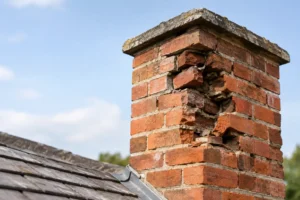
If you notice water stains near the chimney, white staining on brick, rust on the damper or firebox components, or a musty odor, moisture may be getting into places you cannot see. If you see cracked flue tiles, chunks of masonry, poor draft, or smoke entering the room, there may be internal damage or blockage. If there has been a chimney fire, lightning strike, strong storm impact, or recent appliance conversion, a deeper inspection is usually warranted.
The main point is simple: the more uncertainty there is, the less likely a basic inspection will be enough.
Cost matters, but safety comes first
It is fair to think about cost when deciding how to choose chimney inspection level. Homeowners do not want to pay for work they do not need. A trustworthy contractor should be able to explain why a certain inspection level fits your situation and what questions it is meant to answer.
The right choice is not always the cheapest one up front. A Level 2 inspection can cost more than a Level 1, but it may prevent you from missing a damaged liner, a hidden leak path, or a structural issue that turns into a much bigger repair later. On the other hand, if your chimney has had no changes and no symptoms, there is no reason to force a more invasive process.
That balance matters. Good service is not about pushing the highest level. It is about matching the inspection to the risk.
The best next step if you are unsure
If you are between levels, describe the chimney’s recent history as clearly as possible. Mention any leaks, repairs, fuel changes, draft problems, odors, visible cracks, or storm events. A qualified chimney professional should use that information to recommend the right inspection level, not guess and not pressure you.
At Adore Construction, that practical approach is how chimney service should work. Homeowners need clear answers, fair recommendations, and work that protects the home for the long run.
If your chimney has been performing normally, routine inspection may be all you need. If something has changed, it is worth taking a closer look now before a small warning sign becomes a serious safety problem.