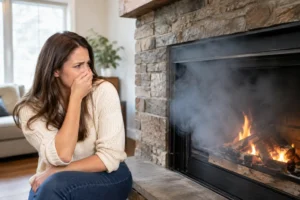
Smoke spilling into the room when you light a fire is more than an inconvenience. Fireplace smoke backup causes can range from a simple cold flue to a dangerous chimney obstruction, and the right response depends on what is happening inside and outside your home. If smoke is entering your living space, stop adding wood, keep people and pets away from the fireplace, and make sure your carbon monoxide alarms are working.
A fireplace should draw combustion gases up and out through the chimney. When that draft fails, smoke follows the easiest path – often straight back into the house. Some conditions are temporary and easy to correct. Others point to needed chimney cleaning, repair, or inspection before the fireplace is used again.
The Main Fireplace Smoke Backup Causes
A cold chimney flue
Cold air is heavy, and a chimney that has not been used for a while can act like a column of cold air pushing downward. This is especially common at the start of a New Jersey heating season, after a long stretch without fires, or on damp, mild days.
When you light a large fire immediately, the smoke may not have enough heat to reverse that cold-air plug. You may see smoke roll out of the firebox for the first few minutes. Starting with a small, hot kindling fire can gradually warm the flue and establish an upward draft. Never use accelerants to force a fire to catch.
If the fireplace continues to smoke after the flue has warmed, the issue is probably more than a cold chimney.
A closed or blocked damper
The damper must be fully open before every fire. It sounds obvious, but dampers can be hard to see, stuck with rust, or only partly open. A partially opened damper restricts the exhaust path and can cause immediate smoke backup.
Open the damper and look upward with a flashlight once the fireplace is completely cool. If it does not move freely, will not stay open, or appears warped or damaged, have it repaired rather than trying to force it. A failed damper can also let water and cold air contribute to other chimney problems.
Creosote buildup and chimney blockages
A wood-burning fireplace creates creosote, a flammable residue that sticks to the flue liner. Over time, creosote can narrow the passage that smoke needs to travel through. Heavy buildup can reduce draft, produce strong odors, and significantly raise the risk of a chimney fire.
Blockages are another common cause. Leaves, twigs, animal nests, loose mortar, damaged liner material, and fallen chimney components can obstruct the flue. A missing or damaged chimney cap makes this more likely. Birds and squirrels often look for protected places to nest, particularly when a chimney has gone unused.
Do not try to clear a suspected blockage by building a hotter fire. That can force smoke and carbon monoxide into the home or ignite creosote inside the chimney. A professional chimney sweeping and inspection can identify the obstruction and confirm that the flue is safe to use.
Wet wood or poor fire-building practices
Firewood should be properly seasoned and dry. Wet or green wood burns at a lower temperature, produces excess smoke, and creates more creosote. Wood that hisses, bubbles at the ends, or feels unusually heavy is often too wet for a clean fire.
Fire size matters as well. A fire starved of air can smolder instead of burn cleanly. Start with dry kindling and small pieces of seasoned firewood, leaving enough space for air to circulate. Avoid overloading the firebox, and do not burn household trash, painted lumber, cardboard with coatings, or treated wood.
These habits can improve a minor draft problem, but they cannot correct a blocked flue, an undersized chimney, or a structural defect.
House Pressure Can Pull Smoke Back Inside
Modern homes are often sealed tightly to control heating and cooling costs. That is good for energy efficiency, but it can create negative air pressure. When the home needs replacement air, it may pull air down the chimney instead of allowing smoke to rise.
Kitchen range hoods, bathroom exhaust fans, clothes dryers, and high-powered HVAC equipment can all contribute. If the fireplace smokes only when one of these appliances is running, negative pressure may be part of the problem. Try turning off nearby exhaust fans and opening a window slightly in the same room before lighting a fire.
This is a useful test, not a permanent repair plan. Persistent pressure issues may require a chimney professional to assess draft, fireplace design, combustion air, and the interaction between your fireplace and mechanical systems.
Wind, Weather, and Chimney Height
Wind does not always improve chimney draft. Certain wind directions can blow directly across or down into a chimney, especially if the chimney is too short or surrounded by taller rooflines, nearby homes, or mature trees. Downdrafts often appear suddenly on gusty days and may affect one fireplace more than another.
Rainy, warm, or low-pressure weather can also weaken natural draft. Because the indoor and outdoor temperature difference is smaller, the chimney has less upward pull. This is why a fireplace may work well on a cold winter night but smoke during a mild fall evening.
A properly fitted chimney cap can help limit rain entry and reduce some wind-related downdrafts. However, caps are not universal fixes. The wrong cap can restrict flow, and a recurring wind issue may involve chimney height, termination placement, or a damaged crown. A qualified inspection should guide the repair.
Structural Problems That Affect Draft
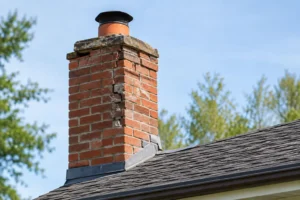
Smoke backup can be a symptom of aging chimney components. Cracked flue tiles, deteriorated mortar joints, a damaged liner, and loose debris inside the flue all affect safe airflow. Water intrusion can make each of these issues worse, particularly after repeated freeze-thaw cycles.
An unlined or improperly sized chimney may also draft poorly. Chimneys and fireplaces need compatible dimensions. If a fireplace was altered, a wood stove was removed, or an appliance was changed without correcting the venting system, the flue may not be sized for the job. Relining with an approved system may be the right solution, but that decision should follow a full evaluation rather than a guess.
Exterior defects matter, too. A cracked crown, failed flashing, or missing cap can let water into the chimney. Water damages masonry, encourages rust, and can loosen liner materials that later restrict the flue.
What You Can Check Safely Before Calling
Only inspect a fireplace when it is cold and there are no embers present. Confirm that the damper is fully open, remove excess ash from the firebox, and look for visible debris near the throat of the fireplace. Check from the ground for an obvious missing cap, leaning chimney, loose bricks, or masonry pieces around the base.
You can also test for a pressure-related problem by turning off exhaust fans and cracking a nearby window before starting a small kindling fire. If the draft improves right away, make a note of it for the chimney technician.
Do not climb onto the roof, reach far into the flue, or use a mirror, broom, leaf blower, or other improvised tool to clear a blockage. Chimney damage is not always visible from the fireplace opening, and disturbing damaged liner sections or nesting material can make the situation worse.
When Smoke Backup Needs Immediate Attention
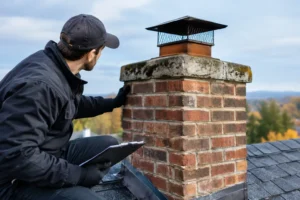
Stop using the fireplace and arrange a professional inspection if smoke enters the home repeatedly, you smell strong creosote odors, hear debris falling inside the chimney, or notice water stains near the fireplace or chimney breast. Visible cracked masonry, damaged flue tiles, a missing cap, and a damper that will not open are also clear reasons to schedule service.
Treat carbon monoxide alarm activation as an emergency. Get everyone outside into fresh air, call emergency services if anyone has headache, dizziness, nausea, confusion, or chest discomfort, and do not re-enter until it is safe to do so. Carbon monoxide cannot be seen or smelled, which is why working alarms on every level of the home are essential.
For homeowners dealing with recurring fireplace smoke, a chimney inspection is the practical next step. Adore Construction can assess the flue, cap, crown, liner, masonry, and draft conditions to identify the actual source of the problem. A clean-burning fireplace begins with a clear path for smoke, a sound chimney system, and the confidence that your home is protected before the next fire is lit.