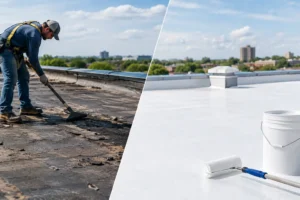
A roof leak after a hard New Jersey storm can move from a damp ceiling spot to soaked insulation, damaged framing, and ruined belongings overnight. Emergency roof tarping is the short-term protection that can stop more water from entering while a qualified roofer determines what the storm actually damaged.
A tarp is not a roof repair, and it should never be treated as one. Its job is to buy time safely. When installed correctly, it shields the exposed area from rain, wind-driven moisture, and debris until permanent repairs can be completed. When installed poorly, it can tear loose, trap water, create new holes, or put a homeowner at risk of a serious fall.
When Emergency Roof Tarping Is Needed
Not every missing shingle calls for an emergency tarp. A few loose shingles on a dry day may be able to wait for a scheduled repair. The situation changes when the roof opening is allowing water into the home or when another storm is approaching.
Emergency tarping is often appropriate after wind removes shingles or ridge caps, a tree limb punctures the roof, flashing pulls away near a chimney, or a branch tears through a section of decking. It is also common after fire department access, fallen debris, or major ice damage exposes an area of the roof.
Inside the home, warning signs include active dripping, a spreading ceiling stain, wet insulation in the attic, bubbling paint, or water running down a wall near the chimney. Do not assume the visible stain is directly below the roof opening. Water can travel along rafters, decking, pipes, and framing before it appears indoors.
If water is near electrical fixtures, outlets, or the breaker panel, keep clear of the area and contact an electrician or emergency service provider as needed. Do not touch a sagging, water-filled ceiling. It may collapse without much warning.
What a Proper Emergency Roof Tarping Job Does
A professional tarp installation begins with safety and an assessment, not with throwing a plastic sheet over the leak. The roofer checks the roof from the ground and, when conditions allow, identifies damaged shingles, punctures, loose flashing, broken decking, and compromised chimney components.
The tarp must extend beyond the damaged area and direct water down the roof rather than underneath the covering. It is secured to withstand wind without relying on loose bricks, household items, or random nails driven through the center of the tarp. The exact method depends on roof slope, roofing material, the size of the opening, and weather conditions.
A good installation also protects the surrounding roof. Driving fasteners carelessly through intact shingles can create more leak points. Pulling a tarp too tight over damaged or unstable decking can make the condition worse. On steep roofs, slate, tile, or low-slope systems such as EPDM and PVC, the safest temporary solution may look different from a standard shingle-roof tarp.
This is why the lowest-price emergency response is not always the best value. The goal is not simply to cover a hole for the night. The goal is to reduce further damage without creating a larger repair later.
Chimney Areas Need Extra Attention
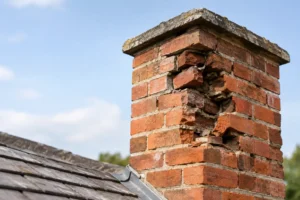
Leaks around a chimney are often blamed on the roof field when the real problem is damaged flashing, cracked mortar, a failed chimney crown, or deteriorated brickwork. Storm winds can lift flashing edges, while freeze-thaw weather can open gaps where water enters behind the roofing system.
A tarp can protect the immediate area, but it cannot correct failed flashing or structural chimney damage. Once the home is secured, the repair plan should address the full source of water entry. Otherwise, the same leak may return during the next heavy rain.
What Homeowners Should Do Before Help Arrives
Your first job is to protect people and limit interior damage from a safe location. Move furniture, electronics, rugs, and valuables away from the leak. Place buckets under active drips, and use towels to contain small amounts of water on hard flooring. If it is safe to do so, take clear photos and videos of the interior damage, the exterior damage visible from the ground, and any fallen branches or debris.
Then contact your insurance carrier to report the loss and ask about the documentation they need. Keep receipts for reasonable emergency mitigation work. Insurance coverage depends on the cause of damage and the details of the policy, but protecting the home from additional loss is usually the responsible next step.
Avoid climbing onto the roof during rain, high winds, lightning, darkness, icy conditions, or immediately after a storm. Wet shingles are slippery, debris can hide weak areas, and a damaged roof may not support weight where it appears intact. A ladder can also become unstable on saturated ground.
If you must make a temporary interior response, focus on water collection and protecting belongings. Do not puncture a bulging ceiling unless a qualified professional advises you to do so and the area is clear of electrical hazards. Water may be heavy, and the wrong action can cause injury or spread the damage.
Common Tarping Mistakes That Create Bigger Problems
Homeowners often act quickly because they want to protect their property. That instinct is understandable. Still, a few common mistakes can make the emergency more expensive:
- Using a tarp that is too small to extend well past the damaged area
- Nailing through the middle of the tarp and creating additional water entry points
- Securing edges with loose objects that can blow off and become hazards
- Covering a wet, unstable roof without checking the condition of the decking
- Waiting until the next storm to address visible roof damage
Another mistake is assuming that no active drip means the problem is resolved. Moisture can remain in insulation, attic framing, and wall cavities long after rainfall stops. A professional inspection helps identify whether the roof needs a targeted repair, flashing work, deck replacement, or a larger section of roofing replaced.
After the Tarp Is Installed, Plan the Permanent Repair
Once the roof is covered, the immediate pressure usually eases. That is the right time to get clear answers about the permanent repair. Ask what failed, what materials are affected, whether the roof deck is sound, and whether nearby components such as gutters, fascia, chimney flashing, or vents also need attention.
The right repair depends on the damage. A limited wind event may only require shingle replacement and resealing around flashing. A puncture from a tree limb may require decking repairs before new underlayment and shingles can be installed. If an older roof has widespread deterioration, patching the visible damage may be a temporary answer rather than a lasting one.
For New Jersey homeowners, weather timing matters as well. Heavy rain, winter freeze-thaw cycles, and strong coastal or inland winds can expose weak points quickly. A properly installed tarp gives the contractor a safer window to plan the repair, order matching materials when possible, and complete the work without rushing through unsafe conditions.
Adore Construction approaches emergency roof issues with the same priorities homeowners expect from a local contractor: clear communication, careful workmanship, and a repair plan that protects the home beyond the next rainfall. An insured professional should explain what is temporary, what is damaged, and what the permanent solution will involve before work moves forward.
A damaged roof is stressful, but fast action does not have to mean risky action. Protect the inside of the home, document what you can from the ground, and get qualified help to secure the roof. The sooner water is kept out, the more of your home you can keep intact.