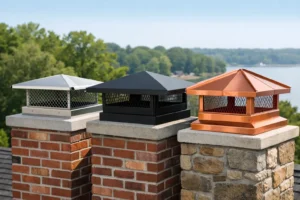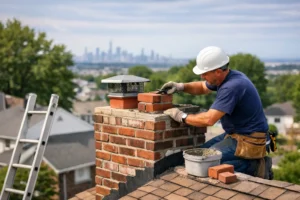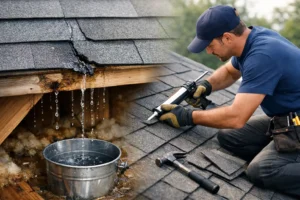
A chimney usually does not leak all at once. It starts with a little water getting into brick joints, a white stain on the masonry, a damp smell after rain, or paint bubbling near the fireplace wall. A good chimney waterproofing project example shows why small warning signs matter – and why the right fix is not always just spraying on a sealer and calling it done.
For most homeowners, the real question is simple: what does a proper waterproofing job actually look like, and how do you know whether your chimney is ready for it? The answer depends on the condition of the masonry, the crown, the flashing, and how long water has already been getting in.
A real-world chimney waterproofing project example
Picture a typical single-family home with a brick chimney that has been exposed to years of rain, freeze-thaw cycles, and summer humidity. The homeowner first notices dark staining on the chimney exterior and a little moisture around the fireplace after heavy storms. There is also some flaking brick face and mortar joints that look worn.
At first glance, it would be easy to assume waterproofing alone will solve the problem. But once the chimney is inspected up close, several issues show up. The brick is absorbing too much water. Some mortar joints have begun to open. The crown has hairline cracks. The flashing is still serviceable, but the seal where metal meets masonry is aging.
This is common. Water rarely uses just one entry point. It works through weak mortar, cracked crowns, porous brick, and failed sealant around flashing. That is why a proper project starts with diagnosis, not product.
What happened during the inspection
The first step was a full visual inspection from the roofline and chimney exterior. The goal was to separate symptoms from causes. White staining, called efflorescence, confirmed that moisture had been moving through the masonry and bringing salts to the surface. Spalled brick faces showed repeated saturation and freeze-thaw stress. Missing or recessed mortar meant the joints were no longer giving the chimney a solid weather barrier.
The crown cracks mattered too. Even when they look minor, they can let water into the top structure of the chimney. Once water gets in there, it can move down into the brickwork and create problems that look like wall leaks or fireplace moisture inside the home.
This is where homeowners often save money by slowing down for the right scope of work. If you waterproof damaged masonry without correcting the failed areas first, the treatment will not perform the way it should. Waterproofing helps protect sound masonry. It does not replace repairs.
Why repairs came before sealing
In this chimney waterproofing project example, the repair plan was straightforward. Deteriorated mortar joints were ground out and repointed where needed. The cracked crown was sealed or resurfaced based on crack depth and overall condition. The flashing connection was checked, and the exposed sealant at the masonry joint was renewed where it had broken down.
Only after those items were addressed did waterproofing make sense.
That order matters because breathable chimney waterproofing products are designed to reduce water absorption while still allowing trapped moisture vapor to escape. If the chimney already has open joints, active cracks, or failed top surfaces, water can still get behind the treatment or continue entering through unprotected areas. The result is disappointment, not protection.
The waterproofing application itself
Once the masonry was cleaned and allowed to dry properly, a vapor-permeable waterproofing agent was applied to the brick and mortar surfaces. This kind of product is made specifically for chimneys and masonry. It is not the same as a general paint-on coating or a hardware-store surface sealer that traps moisture.
That distinction is a big one. Chimneys need to breathe. If a coating locks moisture inside the masonry, you can end up making freeze-thaw damage worse, not better. A proper waterproofing treatment penetrates the masonry and helps shed rainwater while still letting internal vapor escape.
Application conditions matter too. The surface cannot be soaked, dirty, or unstable. Weather needs to cooperate. If rain is expected too soon, or temperatures are outside the product range, the treatment should wait. Good workmanship is not just about what gets applied. It is also about when and how it gets applied.
What changed after the job was done
After repairs and waterproofing, the chimney had a much better defense against water intrusion. The masonry absorbed less water during storms. The repaired joints reduced pathways for moisture entry. The crown no longer allowed easy water access from the top. Over time, this kind of project helps slow down brick deterioration, protect interior areas from moisture-related issues, and extend the life of the chimney structure.
It is worth saying what it did not do. It did not make the chimney maintenance-free forever. Waterproofing is a protective measure, not a lifetime guarantee against every leak. If a cap is missing, if flashing later separates, or if the crown develops new cracking, those are still issues that need attention.
That is one of the biggest trade-offs homeowners should understand. Waterproofing is highly effective when used at the right time and on the right chimney, but it works best as part of a larger maintenance plan.
When chimney waterproofing is the right move
A chimney is a strong candidate for waterproofing when the masonry is structurally sound or has already had needed repairs completed. If the brick is still in decent shape, the mortar joints are intact or newly repointed, and there are no major construction failures, waterproofing can be a smart preventive investment.
This is especially true in places like New Jersey, where chimneys deal with heavy rain, snow, humidity, and repeated freezing and thawing. Those conditions are hard on porous masonry. A good water repellent treatment can help reduce saturation and limit the cycle of expansion and surface breakdown that damages brick over time.
Homeowners also tend to benefit most when they act early. If you are already seeing minor staining or early mortar wear, waterproofing after repairs can stop a manageable issue from turning into a larger rebuild.
When waterproofing alone is not enough
There are also cases where waterproofing is not the main fix. If the chimney is leaning, if bricks are severely spalled throughout, if the crown is badly broken, or if flashing has clearly failed, then sealing the exterior is only a partial measure. The root problem may be structural or related to roof integration rather than masonry absorption alone.
The same goes for interior leak complaints. Water around a fireplace does not automatically mean the brick needs waterproofing. Sometimes the real cause is roof flashing, a missing cap, a chase cover issue on a prefab system, or a crack higher up that channels water in a different direction.
That is why an honest inspection matters. A contractor should be willing to tell you when waterproofing is a good fit and when it is not enough by itself.
What homeowners should take from this example
The main lesson from this chimney waterproofing project example is that lasting results come from sequence and judgment. Inspect first. Repair what is failing. Use the right breathable product. Apply it under the right conditions. Then keep an eye on the chimney over time.
For homeowners, that approach usually costs less in the long run than chasing the same leak every season with temporary fixes. It also helps protect more than the chimney itself. Water entering through masonry can affect ceilings, walls, attic framing, fireplace components, and nearby roofing materials.
A dependable contractor will treat waterproofing as one piece of the protection plan, not a magic answer for every chimney problem. That is the kind of practical, honest service homeowners should expect.
If your chimney has started showing the early signs of moisture trouble, the best next step is not guessing. It is getting clear eyes on the problem before another storm gives water more time to work its way in.