A chimney can look solid from the yard and still be taking on water every time it rains. That is why chimney waterproofing in New Jersey matters more than many homeowners realize. Between freeze-thaw cycles, wind-driven rain, snow, and humid summers, even a well-built chimney can start absorbing moisture and breaking down from the inside out.
Most chimney leaks do not start as major emergencies. They begin with small cracks in mortar joints, worn crowns, missing caps, or bricks that soak up water year after year. By the time you notice staining on a ceiling, a musty smell near the fireplace, or loose masonry outside, the damage has usually been building for a while.
Why chimneys in New Jersey take a beating
New Jersey weather is hard on exterior masonry. A chimney sits above the roofline with constant exposure to rain, snow, sun, and temperature swings. Unlike siding or other protected surfaces, it does not get much relief.
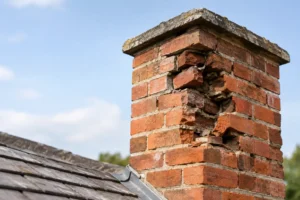
Brick and mortar are durable, but they are also porous. That means water can enter the masonry, especially when the surface has aged or the joints have started to open up. Once moisture gets inside and temperatures drop, the water freezes, expands, and puts pressure on the brick face and mortar joints. Over time, that leads to cracking, flaking, and spalling.
This is where homeowners often get the wrong impression. They assume waterproofing is only needed after a leak starts. In reality, waterproofing works best as a preventive service. It helps slow down moisture absorption before the chimney reaches the point of visible failure.
What chimney waterproofing actually does
Chimney waterproofing is not the same as painting masonry or covering it with a thick surface coating. A proper professional-grade treatment is designed to penetrate the masonry and create a breathable water-resistant barrier. That last part matters.
If a product traps moisture inside the chimney, it can make the problem worse. Masonry needs to release water vapor. Good waterproofing helps keep outside water out while still allowing the chimney to breathe. That balance is what protects the structure without creating hidden moisture issues.
For many homes, waterproofing is one part of a larger moisture-control plan. If the chimney cap is damaged, the crown is cracked, or the flashing is failing, those issues need to be corrected first. Waterproofing is highly effective, but it is not a shortcut around needed repairs.
Waterproofing is protection, not a cover-up
This is one of the most important points for homeowners. If bricks are already loose, mortar joints are deteriorated, or water is entering through bad flashing, simply applying a water repellent will not solve the root problem. It may help in the short term, but the chimney will continue to decline.
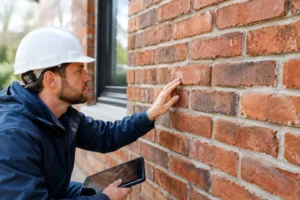
A dependable contractor should inspect the full system before recommending waterproofing. That includes the masonry surface, mortar joints, chimney crown, cap, flashing, and any visible signs of interior moisture intrusion.
Signs your chimney may need waterproofing
Some warning signs are obvious, and others are easy to miss. White staining on the brick, called efflorescence, often points to moisture movement through the masonry. Spalling bricks, cracked mortar, rust on metal components, and damp odors near the fireplace can also suggest water is getting in.
You may also notice water in the firebox after a storm, staining on walls or ceilings near the chimney, or pieces of mortar showing up on the roof or ground. In some cases, the chimney just starts to look worn before it starts to leak. That weathered appearance can be your early warning.
If your chimney is older and has never been professionally waterproofed, it is worth having it checked even if there is no active leak. Preventive work is almost always less expensive than major masonry rebuilding.
Chimney waterproofing in New Jersey works best with repairs first
The best results come from treating waterproofing as part of maintenance, not as a patch for major structural problems. If a chimney has damaged mortar joints, tuckpointing may be needed first. If the crown has cracks, it may need sealing or rebuilding. If the flashing where the chimney meets the roof is loose or deteriorated, that connection must be addressed before any water-repellent treatment goes on.
That can be frustrating for homeowners who want one quick fix, but it is the honest approach. Moisture can enter a chimney system in several ways, and each entry point needs the right solution. A contractor who skips that conversation may be selling speed instead of lasting results.
The role of flashing, crowns, and caps
A lot of chimney leaks are blamed on the brick when the real problem is somewhere else. Flashing failures can allow water to enter where the chimney meets the roof. A cracked crown can let water run directly into the masonry below. A missing or damaged cap can leave the flue exposed to rain.
Waterproofing the outside masonry is valuable, but it should be matched with attention to these other components. When the whole system is protected, the chimney performs better and lasts longer.
What to expect from the process
A professional waterproofing service usually starts with an inspection. The contractor should look for visible masonry damage, moisture entry points, and signs that repairs are needed before treatment. Once the chimney is ready, the surface may need to be cleaned so the waterproofing product can bond and penetrate properly.
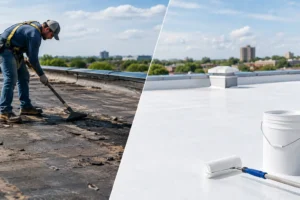
The treatment itself is applied to the exterior masonry surfaces, usually by spray or roller depending on the product and site conditions. The goal is even coverage, not a thick visible layer. When done correctly, the chimney should maintain its natural appearance rather than looking painted over.
Drying conditions matter. Rain, extreme cold, or high humidity can affect application timing, so scheduling may depend on weather. A local contractor familiar with New Jersey conditions should know when the job can be done properly and when it is smarter to wait.
How long does chimney waterproofing last?
It depends on the product used, the age and condition of the chimney, and the level of weather exposure. A quality breathable water repellent can last for years, but it is not permanent. South-facing chimneys, homes in high-exposure areas, and older masonry may need more attention over time.
This is another reason regular inspections matter. Waterproofing is not a one-and-done decision you forget forever. It is part of protecting the home, just like checking a roof, gutters, or siding before small issues turn into expensive ones.
Why cheap fixes usually cost more later
Homeowners are often tempted by fast leak fixes, especially when water is already showing up inside. Caulk from a hardware store, roof tar, or general-purpose sealers may seem like a budget-friendly answer, but they often fail quickly or trap moisture where it should not be trapped.
The short-term savings can disappear fast if the chimney keeps deteriorating underneath. Once bricks start spalling or structural movement develops, the repair costs go up. In more severe cases, rebuilding sections of the chimney becomes necessary.
A better approach is to deal with the source of water correctly, use products designed for masonry, and make sure the work is based on inspection rather than guesswork.
Choosing the right contractor for chimney waterproofing in New Jersey
You do not need a sales pitch. You need a contractor who can explain what is happening, show you the problem areas, and tell you whether waterproofing is the right service or only one part of the job.
Look for clear communication, proof of insurance, experience with chimney masonry, and a practical recommendation based on the actual condition of the chimney. Some homes only need waterproofing and minor sealing. Others need repairs first. The right contractor will tell you the difference.
That straightforward approach is what homeowners expect from a local company like Adore Construction. The goal is not to oversell a service. It is to protect the home, stop water from causing deeper damage, and keep the chimney working safely.
A chimney does not have to be falling apart to need attention. If the masonry is exposed, aging, or showing early signs of moisture damage, waterproofing may be the step that prevents a much bigger repair later. A simple inspection now can save you from dealing with leaks, interior damage, and costly masonry work when the next stretch of bad weather rolls in.