A missing or damaged chimney cap does not usually announce itself with one big failure. More often, it shows up as a leak after heavy rain, a strange draft in the fireplace, or bits of debris where they should not be. That is why chimney cap replacement service matters more than many homeowners realize. A small metal cover at the top of the chimney does a big job – it helps keep water, animals, debris, and downdrafts out of a system your home depends on for safety.
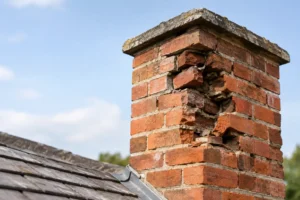
If your cap is rusted through, loose, bent, or simply not doing its job anymore, waiting can turn a manageable repair into a more expensive chimney problem. Water gets into masonry. Freeze-thaw cycles widen cracks. Interior components wear down faster. In some cases, what starts at the top of the chimney can lead to staining, smoke issues, or structural deterioration further below.
What a chimney cap actually does
A chimney cap covers the flue opening while still allowing smoke and gases to vent properly. Most caps also include screening to help keep out birds, squirrels, and nesting materials. That matters because a blocked flue is not just inconvenient. It can become a fire and ventilation hazard.
The cap also helps control rain entry. Chimneys are exposed every day, and in a state like New Jersey, they take a beating from storms, humidity, snow, and seasonal temperature swings. Without a properly fitted cap, water can move directly into the flue and surrounding masonry. Over time, that moisture can damage liners, mortar joints, crowns, and fireplace components.
Signs you may need chimney cap replacement service
Some chimney caps fail all at once after storm damage, but many wear out gradually. The problem is that homeowners usually do not see the top of the chimney up close, so the warning signs tend to show up somewhere else first.
One common sign is water intrusion. If you notice dampness near the fireplace, staining on nearby walls or ceilings, or a musty smell after rain, the cap may no longer be protecting the flue as it should. Another red flag is visible rust. Rust streaks on the exterior of the chimney often point to metal deterioration above.
Animal activity is another clue. If you hear movement in the chimney or find nesting debris, the screen may be missing or damaged. Draft problems can also point back to the cap, especially if the existing unit is warped, undersized, or poorly designed for the chimney.
Sometimes the issue is simpler. The cap may be old, loose, or the wrong fit for the flue. A cap that was installed years ago on a damaged crown or shifting masonry may no longer sit securely. In those cases, replacement is usually the smarter option than trying to patch a failing part.
Why replacement is often better than a quick fix
There are situations where a cap can be resecured, but many service calls reveal a bigger issue than one loose fastener. Metal that has started corroding typically continues to weaken. Screens can separate. Seams can open. Wind can make a marginal cap fail completely.
A proper chimney cap replacement service gives you the chance to correct fit, material, and attachment method at the same time. That matters because not all caps are built the same. A low-cost unit may work for a while, but if it cannot hold up to weather exposure, it may not be the bargain it seemed.
Replacement also allows a contractor to inspect what is happening around the top of the chimney. If there is crown cracking, mortar damage, or evidence of moisture entry, it is better to catch it during the same visit than after another season of weather makes it worse.
Choosing the right chimney cap replacement service
Homeowners often assume a chimney cap is a standard part with a one-size-fits-all answer. It is not. The right replacement depends on chimney size, flue type, fuel source, draft needs, and exposure to weather. That is one reason professional evaluation matters.
Fit matters more than most homeowners think
A cap that is too small leaves openings exposed. A cap that is too large may not secure properly or protect the flue effectively. Multi-flue chimneys, prefabricated systems, and older masonry chimneys all have different requirements. A good replacement service starts with measurement, condition review, and matching the cap to the structure.
Material makes a difference
Galvanized steel is usually more budget-friendly, but it tends to have a shorter service life, especially in harsh weather. Stainless steel generally lasts longer and resists corrosion better. Copper is durable and attractive, but it is not the right choice for every budget.
There is no single best answer for every home. If you plan to stay in the house long term, a better material may save money by avoiding repeat replacements. If you are dealing with several chimney repairs at once, balancing immediate cost with long-term value becomes part of the decision.
Installation should address the full problem
A real chimney cap replacement service should not stop at swapping parts. The installer should check how the cap connects, whether the flue tile is sound, and whether the chimney crown is directing water away properly. If the crown is cracked or the top masonry is deteriorating, a new cap alone may not solve the moisture problem.
That does not mean every cap replacement turns into a major repair. It means the service should be honest about what the cap can and cannot fix.
What happens during a chimney cap replacement service
For most homes, the process is straightforward. The contractor inspects the chimney top, confirms measurements, removes the damaged or outdated cap, and installs a properly fitted replacement. If the old unit was poorly attached or if the top of the chimney needs minor prep work, that gets handled before the new cap is secured.
If other damage is found, you should expect a clear explanation and a straightforward estimate. Good service is not about turning a small job into a bigger one. It is about making sure the replacement actually protects the chimney instead of covering up a larger problem.
For homeowners, that transparency matters. You want to know whether you are paying for a simple cap replacement, a cap plus crown repair, or a more involved chimney restoration. Clear communication keeps the job on track and helps you avoid surprises.
How a new chimney cap protects the rest of the home
The value of a chimney cap is not limited to the chimney itself. Water that enters from the top can eventually affect ceilings, walls, insulation, and surrounding framing. Draft issues can make the fireplace less reliable. Animal entry can create odor, blockage, and cleanup problems no homeowner wants to deal with.
A well-installed cap helps reduce those risks before they spread. It supports the life of the chimney liner, protects the masonry system, and helps the fireplace vent as intended. For a relatively small component, it plays a major role in preventing larger repair bills.
That is especially true when the chimney is already showing its age. Older systems need all the protection they can get. Replacing a failing cap at the right time can be one of the most practical steps you take to extend the life of the chimney.
Chimney cap replacement service in New Jersey
In New Jersey, weather is one of the biggest reasons chimney caps fail sooner than homeowners expect. Wind-driven rain, snow accumulation, and repeated freeze-thaw cycles put stress on both metal and masonry. A chimney that looks fine from the ground can still have cap damage that is allowing slow moisture intrusion year after year.
That is why local experience matters. A contractor who works with chimney systems in this region understands how weather, aging masonry, and roof conditions work together. If you are already noticing leaks, staining, or visible wear, waiting for the next storm rarely helps.
For homeowners who want a practical, direct approach, Adore Construction offers chimney services built around safety, honest pricing, and long-term protection. The goal is simple: fix the real problem, install the right materials, and help prevent repeat damage.
When to schedule service
If you can already see damage, service should be scheduled soon. If you cannot see the top of the chimney clearly, the better approach is to act on symptoms. Water near the fireplace, rust marks, animal noise, recurring drafts, or loose metal components all justify an inspection.
Even if the cap is only one part of the issue, finding that out early is almost always less expensive than letting moisture keep working its way into the chimney system. A dependable chimney cap replacement service is not just about replacing a cover. It is about protecting the chimney, the fireplace, and the home underneath it.
A good repair at the top of the chimney can spare you a much bigger repair later, and that is usually money well spent.