A loose brick after a hard freeze, a brown water stain near the fireplace, or smoke that no longer drafts correctly can turn a working chimney into a real concern. When homeowners search for chimney repair near me, they usually need more than a quick patch. They need a qualified local contractor who can identify the source of the problem, explain the repair clearly, and protect the home from further damage.
Chimneys take constant exposure from rain, snow, wind, heat, and freeze-thaw cycles. In New Jersey, that weather can be especially hard on masonry, flashing, crowns, and liners. Small defects often spread when they are left through another season, which is why early attention is usually the safer and more affordable choice.
When Chimney Repair Cannot Wait
Not every chimney issue is an emergency, but some warning signs deserve prompt service. Water entering around the chimney can damage framing, ceilings, insulation, and roofing materials. A cracked or failing liner can allow heat, smoke, or dangerous combustion gases to move where they do not belong. Loose masonry also creates a falling-material hazard around entryways, patios, and driveways.
Call for an inspection soon if you notice crumbling mortar, missing bricks, cracks in the crown, rust on the damper or firebox, white staining on masonry, or water spots near the chimney. A leaning chimney, visible separation from the house, smoke entering the room, or a damaged flue liner should be treated as a priority. Do not use a fireplace or heating appliance if you suspect the chimney cannot vent safely.
White staining, often called efflorescence, is not always structural damage by itself. It does, however, show that moisture is moving through the masonry. That moisture can freeze, expand, and weaken brick faces and mortar joints over time. The best repair addresses both the damaged area and the path water is taking to get there.
What a Proper Chimney Inspection Should Find
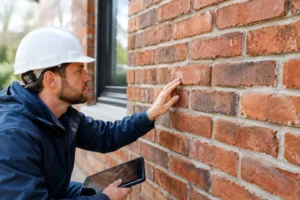
The right repair starts with a complete look at the chimney system, not a guess from the ground. A professional inspection should assess the exterior masonry, mortar joints, crown, cap, flashing, roof connection, firebox, damper, flue, and liner when accessible. The goal is to determine whether the issue is cosmetic wear, water intrusion, a drafting problem, or a safety concern.
For example, a ceiling stain near a chimney does not automatically mean the chimney bricks are leaking. The problem could be failed flashing where the roof meets the chimney, a cracked crown, an uncovered flue, or worn roofing materials nearby. These parts work together. Repairing only the visible symptom can leave the actual leak in place.
A clear estimate should identify the recommended work and why it is necessary. Homeowners should understand whether the job calls for tuckpointing, brick replacement, crown repair, flashing replacement, waterproofing, cap installation, relining, or a larger rebuild. Honest guidance also includes what can wait and what should be handled now.
Common Chimney Repairs and Why They Matter
Masonry Repair and Tuckpointing
Mortar joints are often the first part of a chimney to break down. When mortar becomes cracked, soft, or missing, water gets deeper into the structure and bricks can loosen. Tuckpointing removes failing mortar and replaces it with sound material to restore strength and improve weather resistance.
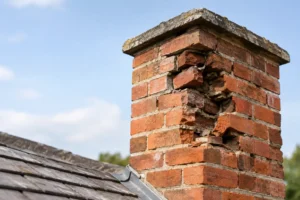
If individual bricks are spalling, cracked, or deteriorated, they may need replacement. Spalling happens when the brick face flakes or breaks apart, often after repeated moisture exposure and freezing temperatures. Replacing damaged units before surrounding masonry is affected can prevent a smaller repair from becoming a partial rebuild.
Chimney Crown, Cap, and Waterproofing
The chimney crown is the slab at the top that sheds water away from the masonry. Cracks in the crown allow water to enter from above, where it can travel through the chimney and cause hidden damage. Depending on its condition, a crown may be repaired, resurfaced, or replaced.
A properly sized chimney cap helps keep out rain, snow, leaves, nesting animals, and wind-driven debris. It also acts as a first line of defense for the flue. Waterproofing can add another layer of protection to sound masonry, but it is not a substitute for repairing cracks, missing mortar, or failed flashing first. Quality materials and correct preparation matter because the masonry must still be able to release moisture vapor.
Flashing Repair at the Roofline
Flashing is the metal system that seals the joint between the chimney and roof. When it pulls away, rusts, cracks, or was installed incorrectly, water can reach the roof deck and interior walls. Chimney flashing repair requires both roofing and masonry knowledge. The connection must be watertight without damaging surrounding shingles or other roofing materials.
This is one area where a low-cost surface seal can create false confidence. Caulk may help in limited situations, but deteriorated or poorly integrated flashing often needs a proper repair or replacement. The right approach depends on the roof type, chimney design, and extent of water damage.
Flue Liner and Smoke Problems
A chimney liner protects the chimney structure and provides a safe path for exhaust. Clay liners can crack, shift, or deteriorate with age. Metal liners can corrode or be improperly sized for the appliance. If a fireplace smokes into the room, has poor draft, or produces unusual odors, the cause may involve the liner, flue obstruction, cap, damper, or chimney design.
Repairs may include cleaning, relining, Thermocrete lining, or correcting a damaged flue component. There is no one-size-fits-all fix. The appliance type, fuel source, chimney dimensions, and inspection findings all matter. A contractor should recommend work based on safety and performance, not simply the fastest available option.
How to Choose Chimney Repair Near Me With Confidence
Searching for chimney repair near me produces plenty of choices, especially after a storm or during the busy heating season. Focus on the contractor’s ability to inspect, explain, and stand behind the work. A reliable company should be properly insured, experienced with residential chimney systems, and willing to provide a straightforward written estimate.
Ask what is causing the damage, how the recommended repair solves it, and whether related components need attention. If a contractor recommends major reconstruction, ask what conditions make rebuilding necessary instead of repair. Rebuilding can be the right answer for an unstable or severely deteriorated chimney, but it should be supported by visible conditions and a clear scope of work.
Be cautious of vague pricing, pressure to sign immediately, or promises that a single coating will solve every chimney issue. Good workmanship is not just about making masonry look better from the street. It is about keeping water out, maintaining safe venting, and preserving the structure for the years ahead.
Preventing the Next Repair
Most chimney damage develops gradually, so routine maintenance makes a meaningful difference. Annual chimney sweeping and inspection are especially wise for homes that use fireplaces, wood stoves, or other vented heating equipment. Even an unused chimney should be checked periodically because weather, animals, and water do not stop affecting it.
Keep an eye on the roofline after major storms and look for loose caps, displaced flashing, new cracks, or debris around the base of the chimney. Address minor mortar or crown damage before winter whenever possible. Once water enters open masonry and freezes, a small crack can widen quickly.
Adore Construction helps New Jersey homeowners assess chimney concerns with practical recommendations, professional workmanship, and repairs built for real weather. If something about your chimney does not look, smell, or perform right, scheduling an inspection now can protect your home well before the next rainstorm or cold snap.