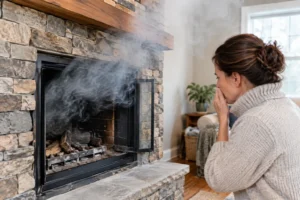
If your fireplace smells smoky, your furnace vents poorly, or your chimney has started shedding bits of tile and mortar, the liner may be the real problem. Choosing the best chimney liner for old house homes is not about picking the cheapest material. It is about matching the liner to the age of the chimney, the fuel type, and the condition of the masonry so the system works safely for years.
Older houses usually come with older chimney problems. Some were built with clay tile liners that have cracked over time. Some have oversized flues that never matched the appliance correctly. Others were never lined the way modern safety standards expect. That is why liner choice matters so much in an older home.
What makes an old house chimney different?
An old chimney often has more than one issue happening at once. The visible problem might be smoke backing up or water getting in, but behind that can be worn mortar joints, flue tile damage, years of creosote buildup, or a chimney that was sized for an old coal or wood system and is now venting a gas appliance.
That matters because the best chimney liner for old house conditions is not always the same from one home to the next. A liner has to do three jobs well. It has to contain heat and combustion byproducts, protect surrounding masonry and framing, and create the right draft for the appliance using it.
When any one of those jobs is compromised, you can end up with poor performance, moisture problems, and a real fire or carbon monoxide risk.
Best chimney liner for old house projects: what usually works best?
For most old homes, stainless steel is the best overall chimney liner choice. It is versatile, durable, and suitable for many venting situations, especially when a chimney is being relined after years of wear.
That said, stainless steel is not automatically the right answer for every chimney. In some older masonry chimneys, a cast-in-place liner can be the better long-term fix. And if the chimney is still in excellent original condition, clay tile may remain part of the conversation, though it is rarely the top choice for a relining project.
Stainless steel liners
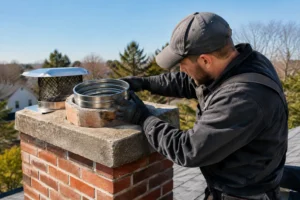
Stainless steel liners are the most common recommendation for older homes because they solve several problems at once. They can be installed inside an existing masonry chimney, they come in different diameters to better match modern appliances, and they handle high heat and corrosive exhaust far better than many aging flue systems.
For wood-burning fireplaces and stoves, a properly insulated stainless liner often gives the best balance of safety and value. For gas and oil appliances, the alloy matters. Some fuels produce more corrosive condensation, so the liner must be rated for that specific use.
The main advantage is flexibility. In an old house, flues are often not straight, not uniform, and not in perfect shape. Stainless systems can adapt to that reality without requiring a full chimney rebuild.
There are trade-offs. Not all stainless liners are equal, and bargain products can fail early. Installation quality also matters a great deal. A poorly sized or poorly insulated stainless liner can still create draft and moisture issues.
Cast-in-place liners
Cast-in-place liners are a strong option when the chimney structure itself needs support. This system creates a new liner by pouring a cement-like insulating material into the chimney around a form. Once cured, it leaves behind a smooth, properly sized passage.
For an old chimney with gaps, weak mortar joints, or signs of structural deterioration, cast-in-place can do more than vent smoke and gases. It can also reinforce the chimney from the inside. That is a major benefit in aging homes where the masonry has taken decades of weather exposure.
The downside is cost and complexity. Cast-in-place systems are usually more involved than installing a stainless liner, and they are not necessary for every house. If the masonry is basically sound, stainless may deliver what you need at a lower price point.
Clay tile liners
Clay tile was standard in many older chimneys, and when it is intact, it can still perform adequately for certain fireplaces. The problem is that old clay liners often are not intact. They crack from heat, age, settlement, and repeated expansion and contraction.
Once damaged, clay tile is usually not the best repair path for an old house. Replacing flue tiles inside an existing chimney is labor-intensive and often less practical than relining with stainless steel or using a cast-in-place system.
Clay also does not handle rapid temperature changes as well as modern liner options. That makes it less forgiving, especially in homes using newer heating appliances or dealing with inconsistent fireplace use.
How to choose the right liner for your home
The best liner depends on what is venting through the chimney. A wood-burning fireplace has different demands than a gas furnace. An oil appliance has different corrosion concerns than a wood stove. This is where homeowners can get into trouble by assuming one liner fits every system.
Chimney size matters too. Many old houses have flues that are too large for modern equipment. When the flue is oversized, exhaust cools too quickly, draft weakens, and condensation becomes a bigger issue. That can lead to staining, odor, liner deterioration, and poor performance.
A properly sized liner helps the appliance vent the way it should. That is one reason relining often improves not just safety, but also how the system actually works day to day.
Signs your old chimney may need a new liner
Some liner problems show up clearly. Others stay hidden until an inspection. If you notice smoky odors, visible cracks in flue tiles, white staining on the chimney exterior, pieces of tile in the firebox, poor drafting, or water damage around the chimney, the liner deserves a close look.
Older homes should not rely on guesswork here. A chimney can look acceptable from the outside and still have serious flue damage inside. That is especially true after years of use, moisture exposure, or appliance changes.
Why stainless steel is usually the best value
When homeowners ask what gives them the best mix of safety, longevity, and affordability, stainless steel usually comes out on top. It fits the real-world conditions found in older houses. It works for many fuel types when the proper grade is selected. And it can often be installed without the major disruption of rebuilding the entire chimney.
It also gives contractors more control over sizing and insulation, which is important in older masonry stacks that were never designed for modern performance expectations. When installed correctly, a stainless liner can make an old chimney safer and more dependable without turning the project into a full reconstruction job.
That does not mean it is always the cheapest option up front. But in many cases, it is the most practical long-term investment because it addresses both performance and safety without patching around the real issue.
The installation matters as much as the material
A good liner installed badly is still a bad result. This is where homeowners should slow down and look at the whole job, not just the liner brand or quoted price.
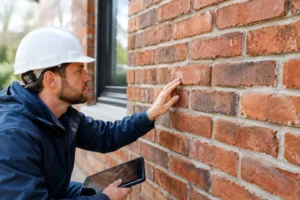
The chimney should be inspected first to confirm flue condition, appliance compatibility, sizing needs, and any structural concerns. If there are crown issues, water entry, flashing problems, or damaged masonry, those may need attention too. Otherwise, the new liner may be protecting a chimney that is still being damaged from the outside.
That is especially true in New Jersey, where freeze-thaw cycles can be hard on older masonry chimneys. Moisture gets in, temperatures drop, and small defects become larger ones fast.
A reliable contractor will explain what the chimney needs now and what can wait, if anything. That kind of straight answer matters more than a low number on an estimate.
When cast-in-place may be the better choice
If your chimney is aging badly, has significant interior deterioration, or needs added structural support, cast-in-place may be worth the extra investment. It is often the better fit when the chimney itself is part of the repair problem, not just the flue passage.
For some older homes, that added reinforcement can extend the life of the entire chimney system. If the masonry shell is weak but still recoverable, cast-in-place can be a smart way to restore safety and function together.
Getting the right answer for your chimney
There is no honest one-size-fits-all answer, even though stainless steel is the best chimney liner for old house projects in many cases. The right choice depends on the appliance, the flue size, the chimney condition, and how much repair the masonry needs around it.
That is why inspection comes first. A proper evaluation tells you whether you need a straightforward stainless liner, a more structural cast-in-place system, or a broader chimney repair plan. If you want a clear assessment and practical recommendations, Adore Construction can help you understand what your chimney needs without overcomplicating the job.
A good liner should give you confidence every time you use your fireplace or heating system, and in an old house, that peace of mind is worth doing right.