A masonry chimney can look solid from the ground and still be hiding water damage, flue problems, or loose brickwork that gets worse one season at a time. If you want to know how to maintain a masonry chimney, the goal is simple – keep water out, keep exhaust moving safely, and catch small issues before they turn into expensive repairs.
For most homeowners, chimney maintenance is less about doing major work yourself and more about knowing what to watch, what to clean, and when to call a professional. A well-built masonry chimney can last for decades, but brick, mortar, crowns, flashing, and liners all take a beating from rain, freeze-thaw cycles, heat, and everyday wear.
Why masonry chimneys need regular attention
Brick and mortar are durable, but they are not waterproof. Once moisture gets into the system, it can start breaking things down from the inside out. In colder weather, trapped water freezes and expands. That can crack mortar joints, loosen bricks, and damage the chimney crown.
There is also the fire safety side. If you burn wood, creosote builds up inside the flue. If that buildup is ignored, it can ignite. Gas appliances have a different risk profile, but they still need proper venting and a sound flue system. Maintenance is about both structure and safety, and one affects the other.
How to maintain a masonry chimney through the year
The best approach is steady, preventive care. You do not need to climb onto the roof every month, but you should pay attention to seasonal changes and signs of trouble.
Start with a visual check from the ground
A simple walk around your home can tell you a lot. Look at the chimney with binoculars if needed. Check for missing or damaged bricks, crumbling mortar, leaning sections, staining, and anything growing out of the joints. If you see white chalky residue on the brick, that is often efflorescence, which usually means moisture is moving through the masonry.
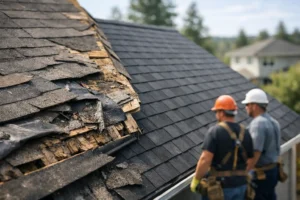
Also look at the area where the chimney meets the roof. If flashing is loose or rusted, water can get in fast. Interior signs matter too. Damp spots on ceilings near the chimney, peeling paint, musty odors, or water in the firebox can all point to a leak.
Keep the flue clean and inspected
If you use your fireplace, schedule routine chimney sweeping and inspection. This is one of the most important parts of how to maintain a masonry chimney because problems inside the flue are easy to miss from outside. Creosote, animal nests, debris, and flue tile damage can all affect performance and safety.
How often you need cleaning depends on how much you burn and what you burn. A fireplace used a few times a year may not need the same schedule as one used all winter. Even so, an annual inspection is a smart baseline for most homes. It gives you a clear picture of the flue, smoke chamber, damper, and firebox before the heating season ramps up.
Make sure the chimney cap is in place
A chimney cap does a lot more than people realize. It helps keep out rain, animals, leaves, and debris while still allowing smoke and gases to vent. Without one, your chimney is much more exposed to water intrusion and blockages.
If your cap is missing, rusted through, or loose, replace it sooner rather than later. This is a small component compared to the rest of the chimney, but it prevents a long list of avoidable problems.
Check the chimney crown for cracks
The crown is the top cement surface that sheds water away from the flue and chimney structure. When it cracks, water gets in. That can lead to interior damage, flue issues, and masonry deterioration below.
Small cracks may be repairable with the right sealant or crown coating, but larger damage may call for rebuilding. This is one of those areas where waiting rarely helps. A minor crown issue can turn into a much bigger repair after one or two rough winters.
Watch the mortar joints
Mortar joints are often the first visible sign that a masonry chimney is aging. If the mortar is receding, cracking, or falling out, the chimney may need tuckpointing. Replacing deteriorated mortar helps restore structural stability and keeps water from entering open joints.
This is not just a cosmetic issue. Once mortar weakens, surrounding bricks are more likely to move, crack, or loosen. Addressing mortar problems early is usually much more affordable than rebuilding large sections later.
Moisture control is the real key
If there is one principle behind long-term chimney care, it is moisture control. Most major masonry chimney damage starts with water. That is why waterproofing, flashing repair, crown maintenance, and cap installation matter so much.
Use the right waterproofing treatment
A masonry chimney should not be sealed with just any coating from a hardware store. Standard paint or non-breathable sealers can trap moisture inside the brick. That often makes the problem worse.
A professional-grade breathable waterproofing treatment is designed to repel outside water while allowing internal vapor to escape. That balance matters. The chimney needs protection, but it also needs to breathe.
Keep flashing watertight
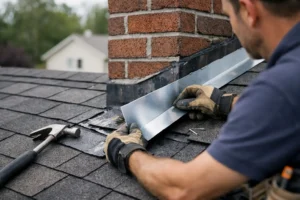
Chimney flashing is the metal barrier where the chimney meets the roof. If it fails, leaks can show up in the attic, ceilings, walls, or fireplace area. Sometimes the chimney itself gets blamed when the real issue is flashing.
Because flashing sits at a vulnerable roofline joint, it should be checked whenever you have chimney or roofing work done. In New Jersey especially, heavy rain, snow, and freeze-thaw conditions can expose weak flashing fast.
What homeowners can do and what should be left to pros
There are safe maintenance steps homeowners can handle. You can monitor the chimney from the ground, check for interior water stains, look for visible cracks, and make sure the fireplace is burning properly. You can also keep records of inspections and repairs so issues do not slip through the cracks.
But most repair work should be left to trained professionals. Climbing on roofs, working around flue systems, repairing crowns, repointing mortar, and diagnosing venting problems all carry real risk. A bad repair can create a safety hazard or hide damage that keeps spreading underneath.
That is the trade-off. DIY attention is useful for spotting problems early, but professional service is what protects the chimney correctly.
Signs your masonry chimney needs service now
Some issues can wait for a scheduled inspection. Others should be addressed quickly. If you notice spalling bricks, pieces of tile or mortar in the firebox, strong smoky odors, water leaks, rust on the damper, deteriorating mortar, or a chimney that appears to tilt or separate from the house, do not put it off.
Draft problems are another warning sign. If smoke enters the room or the fireplace struggles to vent, the cause could be a blockage, liner issue, cap problem, or structural damage. Poor drafting is not just annoying. It can point to unsafe conditions.
A practical maintenance schedule
For most homes, a simple yearly routine works well. Have the chimney inspected before the main burn season. Clean the flue as needed based on use. After major storms, do a visual ground-level check for obvious damage. Every so often, ask a chimney professional to assess the crown, flashing, cap, masonry joints, and waterproofing condition.
That schedule may need to be tighter if your chimney is older, exposed to heavy weather, or already showing signs of wear. An aging chimney usually needs more than cleaning. It often needs ongoing masonry and water management work to stay safe and serviceable.
The cost of waiting too long
A lot of homeowners delay chimney maintenance because the structure seems fine from a distance. That is understandable. Chimney problems are easy to ignore until water shows up inside, bricks start falling apart, or the fireplace stops drafting the way it should.
But delayed maintenance usually costs more. A missing cap can lead to water intrusion. Water intrusion can damage the liner, mortar, crown, and interior walls. What starts as a small preventive repair can turn into a partial rebuild or full replacement.
That is why dependable chimney care is really about protecting the rest of the home too. The chimney is tied into your roof, interior finishes, and fire safety system. When it fails, the damage rarely stays isolated.
A masonry chimney does not need constant attention, but it does need informed attention. Stay ahead of moisture, schedule inspections, and do not ignore small signs of wear. If something looks off, getting it checked early is usually the smartest and most affordable move you can make for your home.