A chimney that looks “mostly fine” from the yard can still be letting water into the house, shedding brick, or creating a fire risk inside the flue. That is why a chimney repair cost estimate is rarely just about one cracked spot or one loose brick. The real price depends on what failed, how far the damage has spread, and whether the problem is cosmetic, structural, or safety-related.
For homeowners, the hardest part is not knowing whether they are dealing with a few hundred dollars in maintenance or a repair that is heading toward a rebuild. The good news is that chimney pricing usually makes sense once the problem is identified clearly. When a contractor explains the damaged component, the cause, and the scope of work, the estimate becomes much easier to understand.
What affects a chimney repair cost estimate
The biggest factor is the type of repair. A damaged cap, worn crown, failing flashing, cracked flue liner, and deteriorated masonry all fall under the category of chimney repair, but they do not carry the same labor, material, or safety demands.
Access also matters. A chimney on a steep roof or a taller home can take more time and equipment to reach safely. That affects labor. The same repair on a low, simple roof may cost less than on a multi-story home with difficult access.
Water damage is another major cost driver. In many cases, the visible problem is only the surface issue. For example, staining near the chimney may start with failed flashing, but once water gets in, it can damage surrounding roof decking, mortar joints, interior walls, and even the flue system. A low estimate often means the issue was caught early. A higher one usually means the damage has been sitting for a while.
Material type changes the price too. Brick chimneys, stucco chimneys, stone chimneys, and metal venting systems all require different repair methods. Older masonry can also be more labor-intensive because matching materials and preserving the structure takes care and experience.
Common chimney repair costs by problem
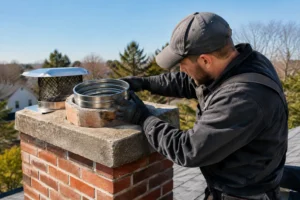
A basic chimney cap replacement is usually one of the more affordable repairs. If the cap is missing, rusted through, or pulling away, replacing it can help keep out rain, animals, and debris before those issues turn into expensive interior damage.
Crown repair or crown replacement typically costs more because the crown sits at the top of the chimney and helps protect the masonry below. Small cracks may be sealed if they are caught early, but a crown that is heavily deteriorated often needs to be rebuilt. If that step is delayed, water can move into the brickwork and start breaking down mortar from the inside.
Flashing repair falls somewhere in the middle for many homes. Flashing is the metal seal where the chimney meets the roof. When it fails, homeowners often notice leaks in the attic, ceiling stains, or moisture around the fireplace wall. If the flashing only needs resealing or partial replacement, the cost may stay manageable. If surrounding roofing materials are also damaged, the price goes up.
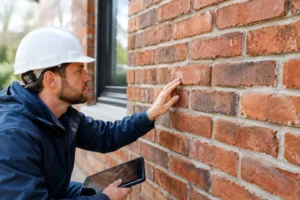
Tuckpointing and brick repair can vary widely. Replacing a handful of spalled bricks and grinding out failed mortar joints is very different from repointing large sections of a chimney stack. This is one of those areas where the estimate depends heavily on how much masonry has been compromised and whether the chimney is still structurally sound.
A flue liner repair or replacement is often one of the more expensive chimney fixes. That is because the liner is tied directly to venting performance and fire safety. Cracked clay tiles, gaps in the liner, or severe interior deterioration can require a more involved solution, including relining systems designed to restore safe function.
Partial chimney rebuilding costs more than maintenance repairs but less than full replacement. This usually applies when the upper section of the chimney has deteriorated beyond practical patching, while the lower structure remains sound. A full rebuild becomes necessary when the chimney has widespread structural failure, severe leaning, or long-term water damage throughout the stack.
Why estimates can vary so much from one house to another
Two homes can have the same visible symptom and very different repair bills. A water stain near the fireplace might be caused by simple flashing failure on one property and by crown cracks, missing cap protection, and internal masonry decay on another.
That is why phone pricing has limits. A contractor can give you a general idea, but a true chimney repair cost estimate usually requires an on-site inspection. Photos help, but they do not always show hidden flue damage, loose masonry at the top, or moisture intrusion behind finished surfaces.
Age matters too. Older chimneys often have multiple issues happening at once. If one component has failed due to age, the surrounding parts may not be far behind. That does not mean every older chimney needs a rebuild, but it does mean a careful inspection is the right place to start.
Small repairs vs. delayed repairs
Homeowners naturally want the least expensive fix that solves the problem. That is reasonable. The issue is that chimney systems do not usually stay the same once water gets in.
A small crack in a crown, a loose cap, or worn mortar joint may not seem urgent at first. After a season of rain, freezing temperatures, and heat cycles, that same problem can spread into brick spalling, interior liner damage, roof leaks, and structural instability. The estimate grows because the scope grows.
This is especially true in climates with heavy seasonal swings. Freeze-thaw cycles are hard on masonry. Water enters small openings, freezes, expands, and widens the damage. What could have been a maintenance repair in one season can become a larger masonry project in the next.
What should be included in a chimney repair cost estimate
A solid estimate should tell you what is damaged, what work is being performed, and what materials are being used. It should also make clear whether the repair addresses the root cause or only the symptom.
For example, if a chimney is leaking, the estimate should identify whether the source is flashing, crown failure, cracked masonry, missing waterproofing, cap issues, or a combination of these. If the repair only addresses one area while another clear failure remains, that should be explained honestly.
It also helps when the estimate separates recommended work from optional work. Some chimneys need immediate repair for safety or leak prevention, while other items may be preventive improvements that can be planned for later. Clear communication matters just as much as price.
When a lower quote is not the better value
A very low chimney quote can look appealing, especially if the problem seems minor. But lower pricing is not always a sign of savings. Sometimes it means the contractor is only patching the visible area, skipping access and safety details, or using materials that will not hold up.
Chimney work needs to last. If the repair fails after one winter, the original savings disappear quickly. A fair estimate should reflect proper materials, safe roof access, and workmanship that protects the home long term.
That does not mean the highest quote is automatically right either. The right estimate is the one that matches the actual condition of the chimney, explains the scope clearly, and gives you confidence that the repair will solve the problem instead of buying a little time.
Getting an accurate chimney repair cost estimate
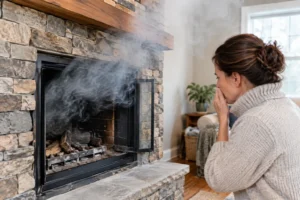
If you want a more accurate number, the best step is a hands-on inspection by a qualified chimney contractor. That is especially true if you have seen water stains, white staining on brick, crumbling mortar, smoke drafting issues, a rusted damper, or pieces of masonry on the ground.
During the inspection, ask what caused the issue, whether the damage is isolated or widespread, and what happens if the repair is delayed. Those answers tell you more than a number alone. They help you understand whether you are looking at maintenance, restoration, or replacement.
For homeowners in New Jersey, local weather and masonry wear make that inspection even more valuable. Companies like Adore Construction focus on identifying chimney problems early, explaining the repair clearly, and giving homeowners a straightforward estimate without guesswork.
If your chimney has been leaking, shedding brick, or showing signs of wear, the smartest move is not to wait for a perfect time. A clear estimate today can stop a much bigger repair tomorrow.