A roof near the coast has to handle more than an occasional storm. It faces wind-driven rain, salt-heavy air, humidity, harsh sun, and sudden temperature changes year after year. The best roof types for coastal weather are the ones that pair durable materials with the right installation details, especially secure flashing, wind-rated fastening, and proper drainage.
For New Jersey homeowners near the shore, the right choice depends on the roof’s slope, the home’s structure, the condition of the decking, and the level of exposure. A house a few blocks from the water may need a different roofing system than one farther inland, even within the same town. The goal is not simply to buy the strongest-looking material. It is to build a complete roof system that keeps water out when the weather turns rough.
Best Roof Types for Coastal Weather
Standing Seam Metal Roofing
Standing seam metal is one of the strongest residential options for a coastal property. Its interlocking panels and concealed fasteners create a clean surface that sheds rain quickly and resists uplift better than many standard roofing materials. Because the fasteners are not exposed on the panel face, there are fewer places for water to work its way in.
Metal roofing also handles salt air well when the material has a quality protective finish designed for the environment. Aluminum is especially resistant to corrosion, while properly coated galvanized steel can perform well at a more manageable price point. The finish matters as much as the metal itself. A low-quality coating can fade, chalk, or deteriorate faster under salt spray and sun exposure.
The trade-off is upfront cost. Metal roofing usually costs more than asphalt shingles, and it requires experienced installation. Panel layout, edge details, flashing, and fastener placement must be right. A poorly installed metal roof can still leak in a heavy storm. When installed correctly, however, it can provide long service life and dependable protection in high-wind conditions.
Architectural Asphalt Shingles
Architectural asphalt shingles remain a practical choice for many coastal homes. They are more affordable than metal, available in many colors, and easier to repair in a localized area. The key is choosing a high-quality, wind-rated shingle rather than the least expensive option on the shelf.
Look for shingles with a strong wind rating and a manufacturer-approved installation method for high-wind areas. That often includes the correct number of nails, proper nail placement, approved starter strips, and sealed ridge caps. These details are not optional near the coast. One lifted shingle can expose the underlayment, and one exposed section can become a larger leak after repeated storms.
Architectural shingles do have limits. Salt air, intense sun, and moisture can shorten their life compared with inland installations. They also rely on a larger number of seams and individual pieces than a metal roof. Still, a well-installed shingle roof with quality underlayment and properly installed flashing can be a smart, cost-conscious solution for many New Jersey homeowners.
Slate and Tile Roofing
Slate and tile can perform very well in coastal weather because they are naturally durable and do not rot like wood-based materials. Slate offers a classic appearance and exceptional longevity. Clay and concrete tile also stand up well to sun and rain when properly installed.
Their biggest consideration is weight. These roofing materials are substantially heavier than shingles or metal, so the roof framing must be able to carry the load. Coastal wind performance also depends heavily on installation. Individual tiles or slate pieces must be secured correctly, and the fastening system needs to suit the home’s exposure level.
Repairs require specialized skill, especially on older homes. A broken or displaced slate or tile should be addressed quickly, but the repair must not damage surrounding pieces. For homeowners who value long-term durability and have a structure designed for the weight, slate or tile can be an excellent investment. For others, the structural upgrades and installation cost may make metal or architectural shingles the better fit.
PVC and EPDM for Low-Slope Roofs
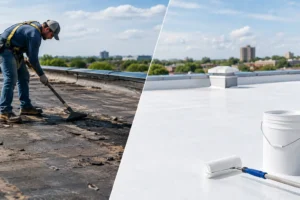
Not every home has a steeply pitched roof. Porches, additions, garages, and sections around dormers may have low-slope areas where shingles are not the right answer. In those locations, single-ply membrane roofing systems such as PVC or EPDM can provide reliable protection.
PVC roofing is a strong option for low-slope areas because its seams are heat-welded, creating a continuous waterproof surface. It performs well against standing water when the roof is properly designed and drained. PVC can also reflect sunlight, which may help reduce heat buildup on exposed roof sections.
EPDM is another dependable membrane system, commonly recognized by its black rubber appearance. It is flexible and durable, making it useful for certain low-slope applications. The best choice between PVC and EPDM depends on roof layout, drainage, exposure, and the details where the membrane meets walls, chimneys, and other roof sections.
Low-slope roofing failures often start at seams, drains, penetrations, or perimeter edges. Material selection matters, but installation is what determines whether the system holds up through driving rain and wind.
The Roof System Matters as Much as the Material
A coastal roof is more than its visible surface. The components below and around the roofing material are what help prevent water from reaching the home. A quality underlayment adds a second line of defense if wind-driven rain gets beneath shingles or panels. In vulnerable areas, self-adhering waterproof membrane can provide added protection around eaves, valleys, roof penetrations, and transitions.
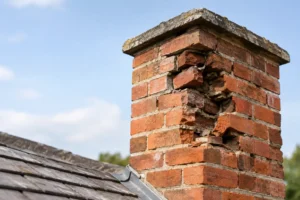
Flashing deserves close attention, particularly around chimneys. A chimney creates a break in the roof surface, and that intersection must be sealed and layered correctly to direct water away. Rusted step flashing, cracked counterflashing, loose masonry, or a deteriorated chimney crown can all allow water behind the roofing system. If a roof is being replaced, the chimney flashing should be inspected instead of simply covered over.
Ventilation also affects long-term roof performance. Trapped attic heat and moisture can age shingles faster, contribute to condensation, and put extra stress on the roof deck. Proper intake and exhaust ventilation helps manage moisture and temperature beneath the roof, but it must be designed without creating weak points for wind-driven rain.
What Coastal Homeowners Should Consider Before Choosing
The best roofing material for one home may not be the best for the house next door. Before committing to a roof type, consider these four practical factors:
- Wind exposure: Open lots, elevated homes, and properties close to the water may need higher wind ratings and stronger edge fastening.
- Roof pitch: Steep roofs can accommodate shingles, metal, slate, or tile. Low-slope sections usually require PVC, EPDM, or another membrane system.
- Salt exposure: Homes closest to the coast need corrosion-resistant materials, fasteners, flashing, and coatings.
- Budget and expected ownership: Architectural shingles offer lower initial cost, while metal, slate, and tile may provide longer service life when installed and maintained correctly.
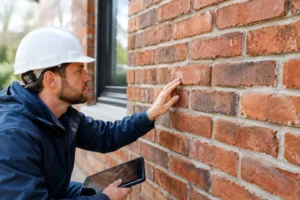
It also helps to think beyond full replacement. Sometimes a roof has years of useful life left but needs flashing repairs, replacement shingles, sealing around penetrations, or chimney masonry work to stop water intrusion. An honest inspection should identify whether repair is still a responsible option or whether replacement is the safer long-term decision.
Protecting a Coastal Roof After Installation
Coastal weather calls for regular roof checks, especially after severe wind or heavy rain. From the ground, watch for missing shingles, lifted edges, loose gutters, staining on siding, and debris collecting in valleys. Inside, inspect the attic and upper ceilings for water marks, damp insulation, or a musty smell.
Avoid waiting for a ceiling leak to become obvious. By the time water reaches the living space, it may have already affected decking, insulation, framing, or chimney components. A professional inspection can catch loose flashing, failing sealant, cracked tiles, membrane wear, and minor storm damage before it turns into a larger repair.
If your home is exposed to shore weather, choose a roof built for the conditions you actually face, not just the appearance you prefer. A qualified contractor can match the roof material, underlayment, flashing, and fastening system to your home so the next hard rain stays where it belongs – outside.