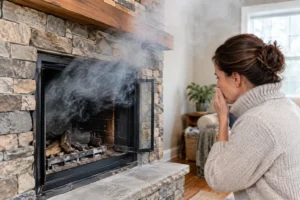
Smoke should travel up and out of your chimney, not spill into the room where your family lives. So, what causes chimney backdraft problems? Usually, the chimney is not producing enough upward pull, or another force inside or outside the home is pushing air and combustion gases in the wrong direction. The result can be smoke odors, soot around the fireplace, poor appliance performance, and in serious cases, exposure to carbon monoxide.
Backdrafting is not a problem to ignore or solve by simply opening a window and hoping for the best. A chimney depends on a working balance of heat, airflow, height, and proper construction. When that balance changes, a fireplace, wood stove, furnace, or water heater may no longer vent safely.
What Causes Chimney Backdraft Problems?
A chimney works through draft: warm combustion gases rise because they are lighter than the cooler air outside. The chimney creates a vertical path that carries those gases above the roofline. If the flue is too cold, restricted, undersized, oversized, damaged, or competing with negative air pressure in the home, the draft can weaken or reverse.
The cause is not always obvious from the living room. A chimney may appear sound from the ground while the liner has deteriorated, the crown is allowing water inside, or the flue is partially blocked. That is why a professional inspection is the right starting point when smoke comes back into the house.
A cold chimney or cold flue
Cold masonry absorbs heat quickly. When you light a fireplace after it has been unused for days or weeks, the smoke may not have enough heat to establish an upward draft right away. Instead, it can roll into the room until the flue warms.
This is especially common during mild fall or spring weather, when the indoor and outdoor temperature difference is small. Starting with dry, properly seasoned firewood and building a smaller, hotter fire can help establish draft. But repeated smoke rollout is a reason to have the system checked, especially if it is new or getting worse.
Blockages inside the flue
Bird nests, leaves, broken masonry, excess creosote, animal debris, and damaged liner material can all restrict a chimney. Even a partial blockage changes the way exhaust moves through the flue. A full blockage can force smoke and dangerous gases directly back into the home.
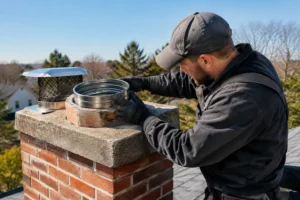
Chimney caps help keep out rain, wildlife, and windblown debris, but caps can be missing, loose, damaged, or improperly sized. Regular chimney sweeping and inspection are practical prevention, not cosmetic maintenance. If you smell strong smoke when the fireplace is operating, stop using it until the flue has been evaluated.
Negative pressure inside a tightly sealed home
Modern upgrades can make a home more energy efficient, but they can also reduce the amount of replacement air available for combustion. Kitchen range hoods, bathroom exhaust fans, clothes dryers, and powerful HVAC equipment pull air out of the house. If enough air is being removed, the home may pull replacement air down the chimney instead.
This can be frustrating because the fireplace itself may not be defective. The issue may occur only when a particular exhaust fan is running or when the dryer is on. Opening a nearby window briefly can be a useful clue, but it is not a permanent safety solution. A chimney professional can assess the venting system, while an HVAC professional may need to evaluate combustion air and mechanical ventilation.
Improper flue size or a damaged liner
A flue must be sized for the appliance it serves. A flue that is too large may cool smoke before it can rise effectively. A flue that is too small may restrict exhaust. Older homes sometimes have unlined or deteriorated masonry flues that no longer provide a safe, smooth passage for combustion gases.
A properly selected chimney liner can correct many venting problems while protecting the masonry from heat, acids, and moisture. The right repair depends on the fuel type, appliance, chimney dimensions, and condition of the existing structure. A liner is not a one-size-fits-all product, which is why measurements and inspection matter.
Wind, Roof Design, and Chimney Height Matter
Outdoor conditions can create backdraft problems even when the flue is clean. Wind moving across a roof can create pressure zones that push down on a chimney. Nearby tall trees, a second-story addition, roof peaks, dormers, or neighboring buildings can alter airflow around the chimney top.
A chimney that is too short may sit in a turbulent area rather than above it. In many cases, extending the chimney or using an appropriate cap can improve draft, but the correct approach depends on the home’s roofline and chimney construction. Adding a random cap without diagnosing the airflow can make matters worse.
New Jersey homes also face shifting temperatures, heavy rain, snow, and seasonal wind. Freeze-thaw damage can loosen mortar, crack crowns, and allow water into the chimney. Water damage does not just affect appearance. It can break down liners and masonry over time, creating conditions that interfere with safe venting.
Fireplace Setup Can Create Smoke Problems
Not every smoke issue begins at the chimney top. Sometimes the fireplace is being operated in a way that limits airflow. A closed or partly closed damper is an obvious cause, but damp wood, oversized logs, a fire built too close to the opening, or an ash buildup can also contribute to poor performance.
Wood should be properly seasoned, not wet or freshly cut. Wet wood produces more smoke and less heat, making it harder for the chimney to establish a strong draft. Ash should be removed as needed while leaving a small amount beneath the grate if recommended for your fireplace setup.
Gas fireplaces and gas appliances require equal care. Yellow flames, soot, condensation, unusual odors, or a pilot light that repeatedly goes out can point to a venting or combustion issue. Do not assume gas is safe because there is no visible smoke. Carbon monoxide has no color or smell.
Warning Signs That Need Professional Attention
A little smoke during a cold start can happen, but ongoing backdrafting is not normal. Arrange an inspection if you notice smoke entering the room after the fire is established, a persistent smoky odor, black stains above the fireplace opening, soot on walls or furnishings, or a sudden change in how the fireplace burns.
Pay close attention to symptoms that occur when exhaust fans, dryers, or heating equipment are running. Carbon monoxide alarms should be installed and maintained according to manufacturer instructions, but an alarm is a warning device, not a repair plan. If a carbon monoxide alarm sounds, leave the home immediately, call emergency services from a safe location, and do not reenter until authorities say it is safe.
For a wood-burning fireplace, stop using the system when smoke is entering the home. For fuel-burning appliances, any suspected venting issue deserves prompt service. Continuing to operate an appliance with poor draft can increase fire and health risks.
How a Chimney Inspection Finds the Real Cause
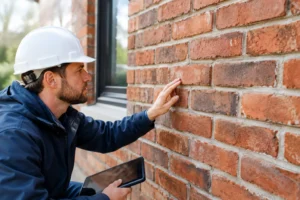
A proper inspection looks beyond the firebox. The technician evaluates the flue for obstructions and creosote, checks the liner condition, confirms the damper is operating, and examines the chimney exterior for cracked masonry, crown damage, flashing issues, and cap problems. Draft behavior, appliance type, flue dimensions, and the home’s airflow conditions all help narrow down the cause.
The repair may be as straightforward as sweeping a blocked flue or replacing a damaged cap. In other cases, the home may need liner work, masonry repair, chimney height correction, crown repair, waterproofing, or a solution for negative pressure. The goal is not to sell an unnecessary repair. It is to restore a safe, durable venting path that fits your home.
Adore Construction helps New Jersey homeowners address chimney issues with clear recommendations, professional workmanship, and repairs built for long-term protection. If your fireplace or appliance is sending smoke back indoors, schedule an inspection before using it again. A clear flue, sound chimney structure, and balanced airflow give your home the safe performance it should have.