A chimney can look solid from the outside while its flue is cracked, oversized, missing, or no longer safe for the appliance connected to it. So, are chimney liners required? In many situations, yes. A liner is required when building codes, the appliance manufacturer, or the condition of the existing flue calls for one. But the answer is not as simple as saying every older masonry chimney must be relined immediately.
For New Jersey homeowners, the right decision starts with a proper chimney inspection. The fuel you burn, the age and condition of the chimney, the type of appliance, and any recent upgrades all matter. A qualified chimney professional can confirm whether your flue is safe to use as-is, needs repair, or should be fitted with a new liner before the next heating season.
What a Chimney Liner Does
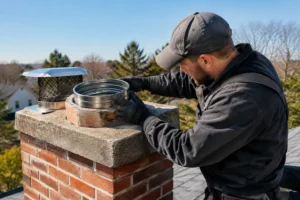
A chimney liner is the protective passage inside a chimney that carries smoke, combustion gases, and heat safely outdoors. In a masonry chimney, the original liner may be clay tile. In other cases, a new stainless steel or poured-in-place liner may be installed to restore the flue.
Its job is straightforward: contain heat and exhaust, protect the masonry surrounding the flue, and provide a properly sized path for the appliance. When a liner is damaged or missing, heat and corrosive gases can reach the brick, mortar, framing, and other parts of the home that were never meant to handle them.
That can lead to more than chimney damage. Cracked flue tiles and failing mortar joints can allow carbon monoxide, smoke, and creosote byproducts to escape where they do not belong. A liner also helps an appliance draft correctly, which supports safer and more efficient operation.
Are Chimney Liners Required by Code?
New chimneys and many chimney alterations are generally required to have an approved flue liner under applicable building and fire codes. If you are building a chimney, replacing an appliance, changing fuel types, or making a significant repair, current code requirements are likely part of the project.
Existing homes are more nuanced. An older chimney may have been built under a different code and may not automatically need a full replacement simply because it is old. However, if the existing liner is cracked, deteriorated, improperly sized, or unsuitable for the appliance, it may need to be relined for the system to operate safely and meet current requirements.
Local enforcement can also vary. New Jersey municipalities administer construction requirements locally, and permits may be required for certain appliance installations, liner replacements, and structural chimney work. The appliance manufacturer’s instructions matter as much as the chimney itself. A furnace, boiler, water heater, stove, or fireplace insert must vent through a flue that is approved and sized for that specific use.
In short, a chimney liner is not a cosmetic upgrade. When it is required, it is a safety component.
Situations When a Chimney Liner Is Usually Needed
A chimney inspection often identifies whether relining is necessary, but several situations commonly call for it.
The Existing Clay Liner Is Damaged
Clay flue tiles can crack from age, chimney fires, moisture, settling, and repeated heating and cooling. A damaged liner may expose gaps between tiles or allow heat and gases into the masonry. Small defects can become larger quickly, especially after a harsh winter or water intrusion.
A camera inspection is the most reliable way to see the full condition of the flue. Looking down from the top of the chimney or up from the fireplace opening cannot reveal every hidden crack, offset, or missing section.
The Chimney Has No Liner
Some older homes have unlined masonry chimneys. These chimneys may have served fireplaces or heating equipment for decades, but that history does not prove they are safe for continued use. An unlined flue allows combustion gases and heat to contact the masonry directly, which can accelerate deterioration and raise fire risk where the chimney passes near combustible framing.
Relining creates a contained venting path and helps bring the chimney in line with the needs of the appliance it serves.
You Are Replacing a Furnace, Boiler, or Water Heater
Modern heating equipment often does not vent the same way as older equipment. A high-efficiency appliance may use PVC venting and not rely on the chimney at all. A conventional gas appliance, however, may need a properly sized metal liner in an existing masonry chimney.
This is especially common after an old, less-efficient furnace is replaced. The new appliance may produce cooler exhaust, which can condense inside an oversized chimney. That moisture is acidic and can damage clay tiles, mortar, and brick from the inside out. A correctly sized liner helps the flue warm up and draft as intended.
You Are Installing a Fireplace Insert or Stove
Wood, pellet, gas, and oil-burning appliances have specific venting requirements. A fireplace insert is not simply placed into an existing fireplace and connected to whatever flue is there. It usually needs a continuous liner sized and rated for that appliance.
Wood-burning systems place additional demands on the liner because creosote can build up inside the flue. A liner that is correctly sized, properly installed, and swept regularly gives smoke a cleaner path upward and makes maintenance more effective.
The Flue Is the Wrong Size
Bigger is not always better. An oversized flue can cool exhaust gases too quickly, reducing draft and increasing condensation or creosote buildup. An undersized flue can restrict exhaust and cause smoke or combustion gases to back up into the home.
The liner size must match the appliance, its vent connector, the chimney height, and the manufacturer’s specifications. This is why a contractor should never recommend a liner based on a quick visual guess.
Choosing the Right Type of Liner
The best liner depends on the appliance and the chimney’s condition. Stainless steel liners are widely used because they are durable and can be selected for gas, oil, wood, or pellet applications when properly rated. They are often a practical solution for an older chimney with cracked clay tiles or an improperly sized flue.
Clay tile liners remain common in masonry chimney construction, particularly for traditional fireplaces. They can last for many years, but repair is difficult if tiles are cracked deep inside the chimney. Poured-in-place or cast-in-place systems can be a good option when the masonry needs reinforcement along with relining. These systems form a new insulated flue within the chimney and may help stabilize damaged interior walls.
There is no one liner that fits every chimney. The wrong material or incorrect installation can create the same safety and performance problems you were trying to solve.
Warning Signs You Should Schedule an Inspection
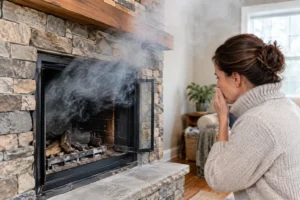
A chimney liner issue is not always visible from the living room. Still, homeowners should pay attention to smoke entering the home, strong odors after rain, white staining on exterior brick, loose flue tile pieces in the firebox, poor fireplace draft, or dark staining around a heating appliance.
A history of a chimney fire, water damage, or a change in heating equipment also deserves a closer look. If you have just purchased an older home and do not know the chimney’s repair history, an inspection can replace assumptions with a clear plan.
Do not continue using a fireplace or fuel-burning appliance if you suspect a serious flue problem. Shut it down and have the system evaluated. Carbon monoxide alarms are essential, but they are not a substitute for a sound venting system.
A Liner Is Only Part of a Safe Chimney System
Even a new liner cannot overcome every chimney issue. A leaking crown, missing cap, deteriorated mortar, faulty flashing, or heavy water intrusion can shorten the life of the liner and damage the masonry around it. Chimney maintenance works best when the entire system is considered together.
At Adore Construction, inspections focus on the condition of the flue as well as the visible chimney components that protect it. If relining is recommended, you should receive a clear explanation of why it is needed, which liner material fits the appliance, and what related repairs should be addressed at the same time.
If your chimney is old, your appliance has changed, or you have noticed drafting or smoke concerns, do not wait for a small flue defect to become a larger repair. A professional inspection gives you a practical answer and the confidence to use your home’s heating system safely.