A flat or low-slope roof does not always give homeowners an obvious warning before it leaks. Water can move beneath the surface, collect at a seam, and show up inside long after the damage begins. Understanding torch down roof lifespan helps you plan for maintenance or replacement before a small issue turns into wet insulation, damaged decking, or interior repairs.
Torch down roofing can be a strong, dependable choice for garages, porches, additions, and low-slope residential roof sections. Its performance, however, depends heavily on the quality of the installation, the roof’s drainage, and how quickly damage is addressed.
How Long Does a Torch Down Roof Last?
A professionally installed torch down roof commonly lasts 15 to 25 years. Some systems may reach the higher end of that range with quality materials, proper drainage, and regular inspections. A roof with poor seam work, standing water, storm damage, or neglected repairs can fail much sooner.
Torch down roofing is a modified bitumen system. The installer uses an open flame to heat the underside of the membrane so it bonds tightly to the roof surface and adjoining sheets. When installed correctly, the heated seams create a durable, water-resistant barrier.
The key phrase is “installed correctly.” This is not a roofing system where shortcuts stay hidden forever. Weak overlaps, missed flashing details, uneven heating, or poor edge termination can create paths for water to enter. Because a torch is involved, safe installation also requires trained professionals who understand fire protection and the condition of the roof deck below.
One Layer or Multiple Layers Matters
Torch down systems are available in different configurations. A two-ply system generally offers more protection than a single layer because it provides an added barrier against water and surface wear. It can cost more upfront, but it may offer better long-term value on a roof exposed to hard weather, tree debris, or regular foot traffic.
A single-ply application may make sense for certain smaller roof areas when the underlying structure and budget support it. The right choice depends on the roof’s slope, condition, drainage, and how the area is used. A contractor should explain the system being proposed rather than simply quoting a material name.
What Affects Torch Down Roof Lifespan?
No roofing material has one guaranteed service life. The same torch down membrane can perform very differently on two nearby homes because the conditions around it are different.
Installation Quality
Installation is the foundation of a long-lasting roof. Each membrane sheet must be properly aligned, heated, and sealed. Seams need consistent adhesion, and transitions around walls, vents, skylights, chimneys, and roof edges need special attention.
Flashing is especially important where a low-slope roof meets a chimney or vertical wall. These areas handle concentrated water flow and often become the first place a poorly detailed roof leaks. Proper flashing and secure terminations protect the roof system where it is most vulnerable.
Drainage and Standing Water
Ponding water is one of the biggest threats to a low-slope roof. A torch down roof does not need to be steep, but it does need a way to shed water. Water that remains on the surface for more than a day or two after normal weather can speed up material wear and put extra stress on seams.
Clogged drains, blocked scuppers, undersized gutters, and sagging sections of decking all contribute to drainage trouble. In New Jersey, leaves, snow, ice, and heavy rain can make an already minor drainage issue much worse. Correcting the cause is more effective than repeatedly patching the same wet area.
Sun, Temperature Changes, and Weather
Roofing takes direct exposure to heat, ultraviolet rays, rain, wind, frost, and snow. Summer heat can cause materials to expand, while freezing temperatures make them contract. Over many seasons, that movement can stress seams and flashing details.
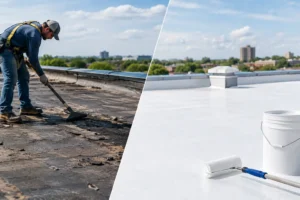
A reflective coating may help reduce surface heat on an appropriate roof system, but it is not a cure for failed seams or trapped moisture. Coatings should be considered after the roof has been inspected and repaired as needed. Applying a coating over active leaks can hide the problem while water continues damaging the materials below.
Foot Traffic and Surface Damage
Torch down membranes are durable, but they are not meant to be treated like a deck or storage area. Repeated foot traffic, sharp tools, dragged furniture, or careless HVAC service can puncture or scrape the surface.
If workers need access to equipment on the roof, protective walk pads may be a smart addition. Homeowners should also avoid using harsh solvents or trying to cut away blistered areas without professional guidance. A small puncture can allow water into the system and spread beyond the visible damage.
Signs a Torch Down Roof May Need Repair
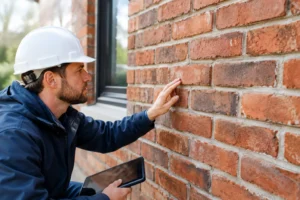
A roof does not need to be at the end of its life to need attention. Timely repair can often extend the service life and prevent damage to the structure below. Watch for changes such as cracked or lifting seams, bubbling or blistering, loose flashing, worn roof edges, or visible punctures.
Inside the home, water stains, peeling paint, damp insulation, or a musty smell near a ceiling should never be ignored. The visible stain may not sit directly below the roof opening. Water can travel along framing before it reaches the ceiling.
After a heavy storm, look from the ground for loose materials, fallen branches, or debris collecting near drains. Do not climb onto a wet or icy roof. If you suspect a problem, a professional inspection is the safer way to find the source and determine whether repair is practical.
Can a Torch Down Roof Be Repaired?
In many cases, yes. Localized seam openings, small punctures, flashing failures, and limited surface damage can often be repaired without replacing the entire roof. The repair must bond securely with the existing membrane and address any moisture that has entered beneath it.
Replacement becomes more likely when leaks appear in several areas, the membrane has widespread cracking, water is trapped in the insulation, or the roof deck has started to deteriorate. Repeated patching can become more expensive than installing a properly designed new system, especially when the underlying drainage issue has never been corrected.
A reliable inspection should separate the immediate leak from the larger condition of the roof. Homeowners deserve a clear explanation of whether they are paying for a repair that can reasonably last or only buying a short delay before replacement.
Maintenance That Helps the Roof Last
Torch down roofs do not require constant attention, but they should not be forgotten. An inspection once a year and after major wind or storm events gives you a chance to catch loose seams, damaged flashing, and drainage problems early.
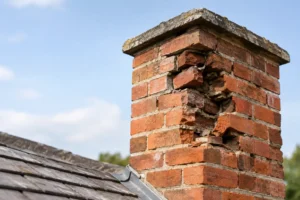
Keep drains, gutters, and scuppers clear so water can leave the roof. Trim branches that scrape the surface or drop heavy debris. Have chimney flashing checked as part of roof maintenance, particularly if the chimney has been repaired, repointed, or waterproofed. Changes to one exterior component can affect the seal where it meets another.
It is also wise to keep records of repairs and inspections. Knowing when the roof was installed, what type of membrane was used, and where previous repairs were made makes future service more accurate and less stressful.
When to Plan for Replacement
If your torch down roof is approaching 15 years old, a professional evaluation can help you budget before an emergency leak forces a rushed decision. Age alone does not mean replacement is required. A well-maintained roof may still have useful life left, while a younger roof with failed seams or poor drainage may need more substantial work.
The goal is not to replace a roof before it is necessary. It is to avoid waiting until water has reached the roof deck, ceilings, insulation, or masonry below. Adore Construction helps New Jersey homeowners assess low-slope roofing concerns with practical recommendations, clear estimates, and workmanship focused on lasting protection.
A roof should give you confidence during the next hard rain, not another reason to check the ceiling. If you notice ponding water, aging seams, or a new interior stain, having the roof inspected now can protect the rest of your home later.