A tile roof can last for decades, but when replacement time comes, the price can catch homeowners off guard. Tile roof replacement cost is usually higher than asphalt roofing, not because contractors are padding the bill, but because tile systems are heavier, more labor-intensive, and often involve underlying repairs that only show up once the old roof comes off.
If you are trying to budget for a replacement, the best approach is to understand what you are really paying for. The tiles matter, but they are only one part of the system. The roof deck, underlayment, flashing, ventilation, slope, and access all play a role in the final number.
What Is the Average Tile Roof Replacement Cost?
In most cases, homeowners can expect tile roof replacement cost to fall somewhere between $15,000 and $45,000 or more, depending on roof size, tile type, and the condition of the structure below. On a per-square-foot basis, many projects land between $10 and $30 per square foot installed.
That is a wide range because tile roofing is not a one-size-fits-all job. A smaller, single-story home with basic concrete tile and minimal repairs will sit on the lower end. A larger roof with steep sections, custom profiles, premium clay tiles, or structural reinforcement can move well beyond that.
In New Jersey, pricing can also reflect local labor rates, permit requirements, disposal costs, and the need to build for freeze-thaw weather conditions. That matters with tile, because a roof that looks good but is installed poorly can lead to leaks, cracked materials, and expensive repairs long before it should.
What Drives Tile Roof Replacement Cost?
The biggest factor is usually roof size, but it is far from the only one. Two homes with the same square footage can have very different estimates if one roof is steep, cut up with valleys and dormers, or hard to access.
Tile material
Concrete tile is generally more affordable than clay tile. It still gives a durable, attractive finish, but it usually costs less to purchase. Clay tile tends to be more expensive because of the material itself, and in some cases because it is chosen for a more specific look or architectural match.
If you are replacing a damaged tile roof on an older home, matching the existing style can also affect price. Specialty profiles and imported materials may cost more and take longer to source.
Tear-off and disposal
Removing an old tile roof is labor-heavy. Tile is weighty, breakable, and slower to remove than lighter roofing systems. Disposal fees can add up as well, especially if there are multiple layers or a large volume of debris.
Underlayment and waterproofing
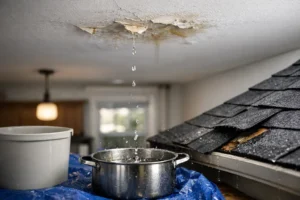
Many homeowners focus on the visible tile, but the underlayment is one of the most important parts of the roof system. In many replacement projects, the tile itself is not the only failure point. The layer underneath may be worn out, torn, or compromised by age and moisture.
High-quality underlayment costs more up front, but it protects the home where it counts. Skimping here is one of the fastest ways to turn a major investment into a recurring leak problem.
Flashing and roof penetrations
Chimneys, skylights, vents, and wall intersections all need proper flashing. If the flashing is rusted, undersized, or incorrectly installed, replacement is the right time to fix it. This can raise the estimate, but it also helps prevent one of the most common sources of roof leaks.
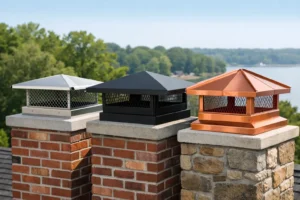
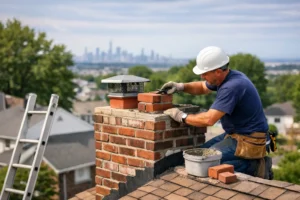
For homes with a chimney, this part of the job deserves close attention. Tile roofs and chimney flashing need to work together, and if one is failing, the other may already be affected.
Structural support
Tile roofs are heavy. If the framing or roof deck is damaged, sagging, or not built to support the chosen material, reinforcement may be required. This is one reason estimates can shift after inspection. A contractor may not know the full condition of the decking until the old system is removed.
This is not an area to cut corners. If the structure is not sound, the roof is not sound.
Cost by Tile Type
Concrete tile is often the most budget-friendly option for homeowners who want the look and durability of tile without the highest material cost. It performs well and comes in many profiles and colors.
Clay tile usually costs more, but many homeowners choose it for its appearance, longevity, and classic style. It can be an excellent long-term option if the home is designed for it and the budget allows.
There are also synthetic products designed to mimic tile. These can lower structural demands and installation costs in some cases, but they are a different product category with their own pros and cons. If your goal is the appearance of tile without the full weight, it may be worth discussing, but it is not a direct substitute in every situation.
Why Estimates Can Vary So Much
A low quote can be tempting, especially when roof replacement is already a major expense. But with tile roofing, a cheap price often means something is being left out. It may be inferior underlayment, reused flashing, poor fastening methods, or a limited scope that does not include necessary deck repairs.
That is why homeowners should look beyond the total number. A detailed estimate should explain what is included, what materials are being used, and what happens if hidden damage is found. Clear pricing is part of good workmanship.
An honest contractor will also tell you when repair makes sense and when replacement is the smarter investment. If a roof only has isolated damage and the system underneath is still in good shape, a full replacement may not be necessary yet. But if leaks are recurring, underlayment is failing, or the tile is breaking down across large sections, patching the problem can become more expensive over time.
Is Tile Roof Replacement Worth the Cost?
For many homeowners, yes. Tile roofing is expensive up front, but it offers strong long-term value when installed correctly. It can last much longer than lower-cost roofing materials, and it holds up well against heat, weather exposure, and everyday aging.
That said, value depends on the house and the homeowner. If you plan to stay in your home for many years, a tile roof may make financial sense. If the structure needs major reinforcement or the roof design makes tile installation unusually complex, another roofing system may be more practical.
The right answer depends on your priorities. Some homeowners want maximum lifespan. Others want a lower initial cost or a system that is easier to repair. A good estimate should help you compare those options without pressure.
How to Budget for a Tile Roof Replacement
Start with an on-site inspection, not an online calculator. Ballpark numbers can be helpful, but they cannot account for deck condition, flashing issues, roof complexity, or structural concerns. A real inspection gives you useful information and a more realistic price range.
It also helps to ask whether the quote includes permits, disposal, underlayment, flashing replacement, and any expected carpentry work. Those items can change the cost significantly. If they are missing from the estimate, ask why.
If your chimney, masonry, or ventilation components are aging at the same time, replacement may also be the right moment to address them. Combining related exterior work can sometimes save time and prevent future disruption.
Choosing the Right Contractor for Tile Roof Replacement Cost
The best way to protect your investment is to choose a contractor who understands full roof systems, not just surface materials. Tile installation requires skill, but so do the waterproofing details below it. That means proper flashing, sound decking, correct underlayment, and careful workmanship around penetrations and roof transitions.
For homeowners, the real goal is not finding the cheapest number. It is finding a fair price for work that will actually protect the home. That means insured professionals, clear communication, a detailed scope of work, and a team that stands behind the job.
If you are comparing estimates, ask direct questions and expect direct answers. A reliable contractor should be able to explain what is driving the price and where your money is going.
A tile roof is a serious investment, but it is also one of the most visible and important layers of protection your home has. When the time comes to replace it, focus on durability, honesty, and the quality of the full system. A well-built roof costs money up front, but it saves a lot of trouble later.