A chimney liner is not a cosmetic upgrade. It is the passage that carries smoke, heat, and combustion gases safely out of your home. When it is cracked, undersized, deteriorated, or missing, the risk can include poor draft, smoke backup, heat transfer to nearby framing, and carbon monoxide concerns. The choice between Thermocrete versus stainless steel liners comes down to your chimney’s condition, the appliance you use, and what will provide a safe, lasting repair.
For many New Jersey homeowners, the right answer is found after a proper chimney inspection, not from a one-size-fits-all quote. Both lining systems can be excellent solutions when they are matched to the job.
What a Chimney Liner Is Meant to Do
A liner protects the masonry chimney from corrosive flue gases and keeps heat and exhaust moving through a contained pathway. Older homes may have clay tile liners, while some chimneys were built without a liner that meets current safety expectations. Clay tiles can crack from age, chimney fires, moisture, settling, and repeated freeze-thaw cycles.
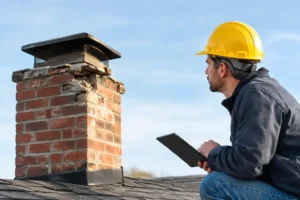
A damaged liner may not be obvious from the fireplace opening or from the ground outside. That is why a camera inspection matters. It shows whether the flue has isolated cracks, missing mortar joints, broken tiles, offsets, heavy deterioration, or a size problem that affects the appliance’s performance.
Thermocrete and stainless steel solve different types of problems. Choosing well starts with an honest look at what is inside the chimney.
Thermocrete Versus Stainless Steel Liners: The Main Difference
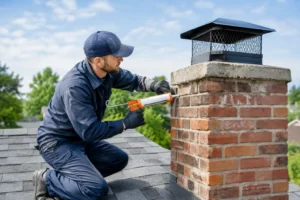
Thermocrete is a ceramic chimney lining system applied to the interior of an existing flue. A trained technician uses specialized equipment to coat and resurface the flue walls, filling many cracks, gaps, and deteriorated mortar joints. Once cured, it creates a smooth, continuous ceramic lining inside the existing chimney.
A stainless steel liner is a separate metal vent installed inside the chimney. It is typically connected directly to the fireplace insert, wood stove, furnace, boiler, water heater, or other appliance it serves. The liner may be rigid or flexible, depending on the flue path and installation requirements.
The practical distinction is simple: Thermocrete restores the existing flue structure, while a stainless steel liner creates a new venting path within the old chimney.
Neither option is automatically better. A chimney with a generally sound clay liner but cracked joints may be a strong candidate for Thermocrete. A flue that is severely damaged, improperly sized, sharply offset, or serving a new appliance may need a stainless steel liner instead.
When Thermocrete Can Be the Right Repair
Thermocrete is often a smart choice when the existing flue is close to the correct size and the goal is to restore its interior surface. It can help correct common problems in masonry chimneys, including cracked clay tiles, open joints, surface deterioration, and small gaps that allow smoke or gases to escape into surrounding masonry.
Because the material is applied to the flue walls, it preserves more of the chimney’s original interior space than installing a metal liner inside it. That can be helpful when sizing is already appropriate for an open fireplace or an appliance that needs the available flue area.
It also avoids the need to force a metal liner through a chimney with tight dimensions or minor irregularities. For homeowners who want to repair rather than replace a serviceable flue system, this can be an efficient long-term option.
Still, Thermocrete is not a shortcut for major structural chimney issues. If the chimney has loose or missing bricks, significant internal collapse, severe offsets, water-damaged masonry, or an appliance that requires a specifically sized vent, the chimney may need additional repairs or a different liner solution. The flue has to be properly cleaned and prepared before any lining material is applied.
When Stainless Steel Liners Make More Sense
Stainless steel liners are especially common when an older chimney is being connected to a wood stove, pellet appliance, gas insert, furnace, or boiler. These appliances often have specific venting and sizing requirements. A properly sized stainless liner helps the appliance draft as designed and directs exhaust safely to the top of the chimney.
This option is also useful when a clay liner has extensive damage. If tiles are broken, displaced, missing, or beyond practical restoration, installing a new metal liner can be more dependable than trying to rebuild the old flue surface.
Stainless steel is available in different grades and configurations. The right material depends on the fuel being burned and the appliance manufacturer’s requirements. For example, liners exposed to more corrosive exhaust conditions may require a higher-grade alloy than a liner serving a typical wood-burning appliance. That decision should be made by a qualified chimney professional, not based on appearance or a low-price package.
A metal liner can reduce the usable diameter inside the chimney because it sits within the existing flue. In some cases, insulation is added around the liner to improve draft and protect surrounding masonry. That can be beneficial, but it also makes correct sizing even more important.
Compare Safety, Performance, and Longevity
Both systems can improve safety when installed for the right condition. The key is whether the completed liner is continuous, correctly sized, properly connected, and compatible with the appliance.
Thermocrete can provide a durable ceramic surface that seals common defects in a masonry flue. It is particularly valuable where restoring the original flue dimensions is a priority. It may also improve the smoothness of the flue, helping exhaust travel more efficiently.
Stainless steel gives the chimney a dedicated new venting path and can be an excellent answer for appliance upgrades or major flue damage. Its performance depends on correct sizing, proper termination at the chimney top, secure connection at the appliance, and using the right stainless alloy for the fuel type.
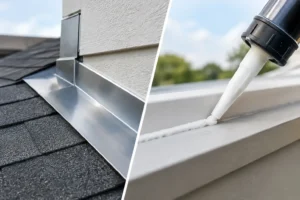
Longevity is not just about the material. Water management matters just as much. A leaking chimney crown, missing cap, damaged flashing, or porous brickwork can shorten the life of almost any chimney component. Addressing the liner without stopping water intrusion can leave the rest of the chimney vulnerable.
Cost Depends on the Chimney, Not Just the Material
Homeowners often ask which liner is cheaper. The more useful question is which repair prevents the need to pay twice.
Thermocrete pricing is affected by flue height, diameter, condition, accessibility, cleaning needs, and the amount of preparation required. Stainless steel liner pricing depends on liner diameter, length, rigid versus flexible sections, insulation, the type of appliance connection, chimney access, and whether old components need to be removed or repaired.
A lower initial estimate is not always the lower-cost solution. Installing an undersized liner, choosing the wrong grade of stainless, or coating a flue that has deeper structural damage can create performance problems and future repair costs. A clear estimate should explain what the inspection found, what work is included, and why the recommended liner fits your chimney.
Questions to Ask Before Choosing a Liner
Before approving either option, ask the contractor what the camera inspection revealed and whether the existing flue is properly sized for your fireplace or appliance. Ask whether there is any water damage, masonry deterioration, crown failure, or flashing issue that should be repaired at the same time.
You should also ask whether the liner recommendation follows the appliance manufacturer’s requirements and local code expectations. If stainless steel is recommended, ask what grade will be used and whether insulation is needed. If Thermocrete is recommended, ask whether the flue damage is limited to defects that the system is designed to restore.
A dependable contractor should be able to answer those questions plainly. You should not have to guess whether the recommendation is based on the chimney’s actual condition or simply on the product the company prefers to install.
Make the Decision After a Real Inspection
A chimney that looks fine from the roofline can still have liner damage deep inside the flue. Likewise, a cracked tile does not automatically mean a full stainless replacement is necessary. The right repair comes from seeing the entire venting system, identifying the source of the problem, and matching the solution to how the chimney is used.
If your chimney has smoke issues, visible deterioration, water leaks, a damaged clay liner, or an appliance being added or replaced, schedule a professional inspection before another heating season begins. A properly selected liner protects more than the chimney itself. It helps protect the people and home beneath it.