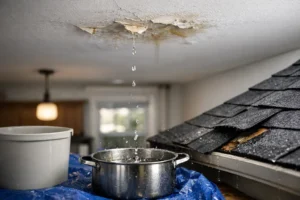
A roof that still looks intact can already be losing the fight against ponding water, sun exposure, and small seam failures. That is why silicone roof coating benefits matter to homeowners who want to stop minor roofing issues from turning into interior damage, mold, or expensive structural repairs.
For the right roof, a silicone coating can add a durable protective layer without the cost and disruption of a full tear-off. It is not a shortcut for every roofing problem, and it is not a substitute for proper repairs. But when the roof is a good candidate, it can be a practical way to improve waterproofing, extend service life, and reduce ongoing maintenance.
What a silicone roof coating actually does
A silicone roof coating is a liquid-applied membrane that cures into a flexible, weather-resistant surface over an existing roof system. It is commonly used on low-slope and flat roofs, especially where water tends to sit after heavy rain.
Once applied correctly, the coating helps seal the roof surface against moisture intrusion and UV exposure. That matters because many roofing systems do not fail all at once. They fail slowly – through cracks, worn seams, aging materials, and repeated weather cycles that weaken the surface year after year.
Silicone stands out because it handles moisture well. Some coatings break down faster when standing water becomes a regular issue. Silicone generally performs better in those conditions, which is one reason it is often recommended for roofs that deal with ponding.
The main silicone roof coating benefits homeowners should know
The biggest benefit is protection from water intrusion. When a roof starts letting in moisture, the damage rarely stays limited to the roofing material. Water can affect decking, insulation, interior ceilings, framing, and even masonry near roof transitions. A properly installed silicone coating helps create a continuous barrier that reduces those risks.
Another strong advantage is UV resistance. Sun exposure steadily wears roofing materials down, especially on roofs that take direct heat all day. Silicone reflects a significant amount of sunlight, which helps slow surface deterioration. In some cases, that can also help reduce roof temperatures and ease heat gain into the home, though the energy savings depend on the building, insulation, and roof design.
Flexibility is another reason homeowners look at this option. Roofs expand and contract as temperatures change. A coating that can move with the roof is less likely to split under normal thermal stress. That flexibility can be especially useful in a climate like New Jersey, where roofs deal with hot summers, cold winters, and regular storms.
Then there is the issue of cost control. A coating system is often more affordable than a full roof replacement when the existing roof is still structurally sound. It can buy time, improve performance, and postpone a much larger expense. That said, it only makes financial sense if the roof is in suitable condition to begin with.
Why silicone performs well on low-slope roofs
Low-slope roofs have one recurring problem: they do not always drain perfectly. Even when the roof was built correctly, age, settling, and weather can create areas where water lingers longer than it should.
This is where silicone roof coating benefits become more noticeable. Silicone resists water better than many other coating types, which makes it a strong option for roofs that see frequent rain and occasional ponding. Instead of allowing water to keep working on seams and weak points, the coating adds another layer of defense.
That does not mean it fixes drainage design. If a roof has serious slope or drainage issues, those problems should still be addressed. A coating helps protect the surface, but it should not be used to ignore underlying conditions that are causing trouble.
Extending roof life without a full replacement
One of the most appealing parts of a roof coating project is that it may extend the life of the existing roof. For many homeowners, the goal is simple: keep the current roof performing safely for as long as possible without stepping into full replacement before it is necessary.
If the existing membrane or roofing surface is still in serviceable shape, coating it can slow further wear. It helps shield the roof from sun, rain, and seasonal temperature swings that continue to age the material. In practical terms, that can mean fewer leaks, less frequent patching, and more time to plan for future replacement on your terms instead of during an emergency.
This is also why inspections matter. Not every roof should be coated. If water has already caused major saturation, trapped moisture, structural weakness, or widespread substrate damage, coating over those issues is the wrong move. A dependable contractor should tell you that plainly.
Less disruption than a tear-off project
Homeowners often focus on price first, but disruption matters too. A full roof replacement can be the right long-term answer, but it is a larger job with more labor, more material removal, and more mess around the property.
A coating application is generally less invasive. Because it is installed over a prepared existing surface, it avoids much of the demolition involved in replacement. That can mean faster turnaround, less debris, and less stress for the homeowner.
For families trying to maintain the home without turning every project into a major construction event, that is a real advantage. It is one reason many people consider coatings when the roof has aging issues but has not yet reached the point of complete failure.
Where silicone roof coating benefits have limits
This is the part many homeowners need to hear. Silicone coatings are useful, but they are not a cure-all.
If the roof has active leaks caused by major flashing failures, rotten decking, open seams, punctures, storm damage, or long-term trapped moisture, those problems need repair before coating is even considered. Coatings also require proper surface preparation. If the roof is dirty, unstable, or poorly prepped, the finished result will not perform the way it should.
There are also maintenance considerations. Silicone coatings can attract dirt over time, which may reduce reflectivity. They can also be slippery when wet, so safety during service and inspections matters. And while recoating is often possible later, that future work still depends on the condition of the roof system underneath.
In short, a coating is only as good as the roof it is protecting and the crew installing it.
Is your roof a good candidate?
A roof may be a good candidate for silicone coating if it is structurally sound, nearing the later part of its service life, and showing wear without major failure. Low-slope roofs, flat roofs, and certain existing membrane systems are often evaluated for this type of application.
The best way to know is with a direct inspection. A qualified contractor should check for moisture intrusion, membrane condition, seam integrity, flashing performance, drainage concerns, and signs that replacement would be smarter than restoration. Homeowners should not be pushed into coating just because it sounds cheaper.
At Adore Construction, that practical approach matters. Homeowners need clear answers, fair recommendations, and work that protects the home instead of covering problems up.
What to expect from the installation process
A proper coating job starts well before the product is applied. The roof needs to be inspected, cleaned, and repaired where needed. Damaged areas, penetrations, seams, and flashing details may need reinforcement so the coating has a stable surface to bond to.
After prep work, the silicone is applied at the specified thickness to create a continuous membrane. Coverage rates, cure conditions, and detail work all matter. This is not a product where cutting corners pays off. Thin application, rushed prep, or missed problem areas can shorten the life of the system.
That is why workmanship matters as much as material. The product has strengths, but those strengths show up only when the roof is evaluated honestly and installed correctly.
Why homeowners often choose coating over waiting
Waiting is often the most expensive option. Small roof issues have a habit of turning into soaked insulation, ceiling stains, drywall damage, and hidden rot. Once that happens, the scope moves beyond the roof itself.
A silicone coating can be a smart in-between solution when the roof is aging but not beyond repair. It gives homeowners a way to improve protection now, reduce the chances of water intrusion, and get more usable life from the existing system.
If your roof has started showing signs of wear, the best next step is not guessing from the ground. It is getting the roof checked before a manageable problem turns into a major one. The right coating in the right situation can do a lot of good, and the wrong recommendation can cost you twice.