A roof quote can look straightforward until you realize two homes with similar square footage can end up with very different pricing. That is why understanding shingle roof installation cost matters before you approve a project. The real number depends on more than shingles alone – it also comes down to labor, tear-off work, roof shape, ventilation, flashing, and the condition of the wood underneath.
For homeowners, the goal is not just finding the lowest price. It is making sure the roof system is built to protect the house from leaks, wind, and long-term damage without paying for work you do not need. A fair estimate should show where the money is going and why.
What affects shingle roof installation cost?
The biggest factor is roof size, but it is far from the only one. Contractors usually price roofing by the square, which equals 100 square feet. A larger roof naturally requires more materials, more labor, and more disposal. Still, a simple large roof may cost less per square than a smaller roof with steep slopes, dormers, valleys, and difficult access.
Material choice also changes the final number. Basic three-tab shingles are usually the most affordable option, while architectural shingles cost more but offer better appearance, stronger wind resistance, and longer service life. Premium designer shingles push the price higher again. For many homeowners, architectural shingles strike the best balance between cost and durability.
Labor is another major part of the estimate. Roofing is skilled exterior work, and labor costs reflect safety requirements, crew experience, setup time, and the complexity of the job. Steep roofs, multi-story homes, and tight property access all make installation slower and more demanding.
Then there is the part homeowners cannot always see from the ground – the roof deck. If old shingles come off and reveal rotten or weakened plywood, that damaged wood needs to be replaced before a new roof goes on. This is not an upsell. It is necessary for a safe, solid installation.
Typical price range for shingle roof installation cost
In many cases, homeowners can expect shingle roof installation cost to fall somewhere between moderate and significant depending on roof size, material grade, and site conditions. For a full replacement, many residential asphalt shingle roofs land in the broad range of about $5,500 to $15,000 or more. Larger homes, premium materials, structural repairs, and complicated roof layouts can push the cost well above that.
That wide range is exactly why ballpark numbers should be treated carefully. A single-story ranch with easy access and one layer of old shingles is a very different job from a taller home with multiple roof lines, chimney flashing issues, and hidden deck damage. If a quote seems much lower than the others, there is usually a reason.
Sometimes the price is lower because the contractor is cutting corners on underlayment, ventilation, flashing, or cleanup. Sometimes important repairs are simply not included. A cheaper roof can become an expensive problem if it fails early or allows water intrusion.
Material costs are only part of the picture
Homeowners often focus on shingle brand and color, which makes sense because that is the visible part of the roof. But the shingles are only one layer in a complete roofing system. Ice and water shield, underlayment, starter shingles, ridge caps, flashing, ventilation components, fasteners, and drip edge all matter.
If one estimate includes these items and another leaves them vague, the lower quote may not actually be the better value. Good workmanship and proper system design are what help a roof perform through storms, freeze-thaw cycles, and years of weather exposure.
This matters even more in places like New Jersey, where roofs deal with wind, heavy rain, snow, and seasonal temperature swings. The installation details below the shingles can make the difference between a roof that holds up and one that starts showing problems early.
Tear-off vs overlay
One of the first pricing questions is whether the old roof will be removed or covered over. An overlay means new shingles are installed on top of an existing layer. It may cost less upfront, but it is often a compromise.
A full tear-off costs more because it includes labor, disposal, and additional time. Still, it gives the contractor a chance to inspect the deck, address hidden damage, and install the new roofing system on a clean surface. In most cases, that is the better long-term choice.
Overlay jobs can make sense in limited situations, but they also add weight and can shorten the life of the new shingles. They may also make future repairs harder. If a contractor recommends a tear-off, it is usually because they are looking at the health of the roof system, not just the immediate price tag.
Why roof complexity changes the estimate
Two roofs with the same square footage can have very different labor needs. A simple gable roof is faster to install than a roof with multiple valleys, hips, skylights, dormers, and intersecting sections. Every cut, transition, and penetration adds time and raises the chance of leaks if not handled correctly.
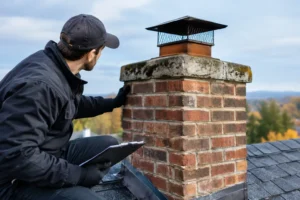
Chimneys are another common factor. Flashing around a chimney has to be installed correctly to keep water out. If the flashing is worn, rusted, or poorly integrated with the old roof, replacement should be part of the scope. This can affect the estimate, but it is money spent on leak prevention, not cosmetic work.
Steep pitches also increase cost because they require additional safety setup and slow the work down. Roofing crews cannot move on a steep roof the same way they can on a low-slope surface. More caution means more labor hours.
The hidden costs homeowners should ask about
A good estimate should be clear about what is included and what could change once work begins. One common issue is wood replacement. No contractor can always know the condition of the deck until the old roof is removed. That is why many proposals list deck replacement as an additional cost per sheet if needed.
Permits may also be part of the total, depending on the municipality. Cleanup and disposal should be addressed clearly too. Homeowners should know whether dumpster fees, debris hauling, and magnetic nail cleanup are included.
Warranty coverage matters as well. There is a difference between a manufacturer warranty on materials and a workmanship warranty from the contractor. Both are important. A roof can fail because of defective materials, but it can also fail because it was installed incorrectly.
How to compare roofing estimates the right way
The best way to compare bids is not by looking at the bottom line first. Look at the scope. Does each quote specify the shingle type, underlayment, flashing work, ventilation, tear-off, cleanup, and warranty terms? If one estimate is vague, ask questions.
You should also pay attention to how the contractor communicates. Clear answers, proof of insurance, realistic scheduling, and a written estimate all matter. Roofing is major exterior protection for your home, and the contractor should treat it that way.
If you are collecting multiple quotes, make sure each contractor is pricing the same job. One may be quoting architectural shingles with full tear-off and upgraded leak barriers, while another is pricing a more basic system. Those are not equal offers.
When paying more makes sense
Not every upgrade is necessary, but some are worth it. Better shingles can improve wind resistance and lifespan. Proper attic ventilation can help control heat and moisture, which protects both the roof and the home. Replacing aging flashing during the roof project can prevent future leaks around chimneys and wall intersections.
Paying more also makes sense when it buys accountability. A fully insured, experienced contractor with a solid local reputation may not be the cheapest option, but there is value in knowing the work will be done safely and correctly. That peace of mind matters when the roof is what stands between your home and the next storm.
At Adore Construction, that is the standard homeowners expect – straightforward estimating, quality workmanship, and roofing work built for long-term protection.
A smarter way to budget for a new shingle roof
If your roof is aging, leaking, or showing visible wear, it helps to plan before the problem becomes urgent. Waiting until water is entering the home can turn a roofing project into a larger repair bill that includes insulation, ceilings, framing, or masonry around the chimney.
Start with a professional inspection and a written estimate. Ask what is included, what may change once the old roof is removed, and which items are essential versus optional. A dependable contractor should be able to explain the numbers in plain language.
The right roof is not the cheapest one on paper. It is the one installed with the right materials, sound flashing, proper ventilation, and the kind of workmanship that protects your home year after year.