A warm attic after the first hard freeze may feel harmless, but it can create problems above your ceiling long before a leak appears indoors. Proper roof ventilation for winter helps move excess heat and moisture out of the attic, protecting the roof deck, insulation, shingles, and the structure of your home.
For New Jersey homeowners, this is not just a cold-weather detail. Snow, freezing rain, humid indoor air, and repeated freeze-thaw cycles can expose weak points in an attic system quickly. The goal is not to make the attic warm. It is to keep it close to the outdoor temperature while controlling moisture.
Why Roof Ventilation Matters in Winter
Everyday living creates moisture inside a home. Cooking, showering, laundry, and even breathing add water vapor to the air. Some of that warm, humid air can find its way into the attic through gaps around light fixtures, attic hatches, plumbing penetrations, ductwork, and poorly sealed ceiling areas.
When that moist air reaches the cold underside of the roof, it can condense into water droplets. Over time, condensation may soak insulation, stain ceilings, feed mold growth, rust metal fasteners, and contribute to wood rot. In severe cases, homeowners may see frost on roof sheathing during a cold spell, followed by water drips when temperatures rise.
Ventilation gives this moisture a controlled path out. A properly designed system typically allows air to enter low on the roof through soffit or eave vents and exit near the peak through ridge vents or other high exhaust vents. As air moves through the attic, it helps remove moisture and reduce heat buildup.
Ventilation works with insulation and air sealing. It cannot make up for major air leaks from the living space below, and adding more vents will not solve every attic problem. The right solution depends on the roof design, existing vent layout, insulation levels, and the source of the moisture.
Roof Ventilation for Winter and Ice Dams
Ice dams are one of the most visible signs of an attic temperature problem. They form when snow melts on a warm upper roof surface, runs down toward the colder eaves, and refreezes. The growing ridge of ice traps later meltwater behind it, allowing water to work beneath shingles and into the home.
Poor attic ventilation can contribute to this cycle, but it is only part of the picture. Heat escaping from the house is often the larger issue. In other words, a vented attic still may develop ice dams if warm air is leaking through the ceiling or if insulation is thin, uneven, or compressed.
A sound winter strategy usually combines three parts: air sealing to limit heat and moisture entering the attic, insulation to keep conditioned air inside the home, and balanced ventilation to remove what does get into the attic. Skipping any one of these steps can leave the roof vulnerable.
Homeowners sometimes try to solve ice dams by sealing every attic vent before winter. That can make conditions worse. Blocking soffit vents, ridge vents, gable vents, or other intended openings traps moisture inside the attic. It may also increase the temperature difference across the roof deck, which does not help the underlying problem.
Signs Your Attic May Need Attention
You do not need to climb across an attic or walk on roof framing to spot every issue. A safe visual check from the attic access can reveal warning signs, especially after a stretch of cold weather.
Look for damp insulation, dark staining on the roof sheathing, visible frost or condensation, musty odors, rusty nails, or daylight where it should not be visible. Bathrooms that stay humid long after a shower can also be a clue that an exhaust fan is venting into the attic rather than outside.
Outside, recurring ice buildup along gutters and eaves, uneven snow melt on the roof, curling shingles, and water stains on top-floor ceilings deserve attention. These symptoms do not automatically mean ventilation is the sole cause. A roof leak, flashing issue, clogged gutters, damaged shingles, or chimney-related water entry can produce similar signs.
That is why a professional inspection matters. The roof, attic, chimney flashing, ventilation openings, and insulation condition should be evaluated together. Treating only the visible symptom can lead to repeated repairs and avoidable damage.
What a Balanced Ventilation System Looks Like
A balanced system is designed for the specific roof, not selected by guesswork. Intake ventilation is generally located at the lower roof edge, often in the soffits. Exhaust ventilation is installed higher on the roof, commonly at the ridge. This low-to-high path supports natural airflow through the attic.
The amount of ventilation needed depends on the attic’s square footage, the roof configuration, the type of insulation, and local code requirements. Homes with complex rooflines, finished attic spaces, vaulted ceilings, additions, or multiple ventilation styles may need a more detailed assessment.
Mixing exhaust vent types without a plan can reduce performance. For example, ridge vents combined with powerful roof-mounted fans or multiple competing high vents may pull air from the nearest opening instead of drawing it evenly from soffits. The attic may technically have more vents but still lack proper circulation where it is needed.
Soffit vents also need a clear air channel. Insulation pushed tight against the eaves can block intake airflow. Proper baffles or vent chutes help maintain an open passage between the soffit and attic while keeping insulation in place.
Common Winter Ventilation Problems
The most common issue is not a complete lack of vents. It is an unbalanced or obstructed system. Painted-over soffit vents, bird nests, debris, insulation blockage, damaged ridge vent sections, and improperly installed roof materials can all limit airflow.
Another frequent problem is a bathroom, kitchen, or dryer vent terminating in the attic. These exhaust systems carry warm, moisture-heavy air and should discharge outdoors through an appropriate exterior vent. Sending that air into the attic can overwhelm even a well-designed roof ventilation system.
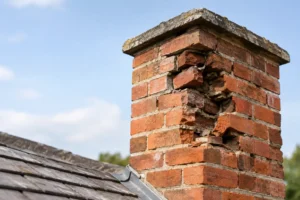
Chimneys deserve attention too. Flashing defects around the chimney can allow water into the roof system, while deteriorated masonry or a damaged chimney crown can create moisture issues that homeowners mistake for attic condensation. Because these problems can overlap, it is wise to inspect the full area rather than assume the vents are at fault.
Older homes may also have ventilation that was acceptable decades ago but no longer suits current insulation upgrades, roof replacements, or changes to the home’s use. A renovated attic, a new bathroom, or added insulation can change how heat and moisture move through the structure.
What Homeowners Can Do Before Deep Winter
Start with simple maintenance. Keep gutters and downspouts clear so melting snow can drain instead of backing up at the roof edge. Check that visible soffit openings are not blocked by leaves, paint, or insect screens packed with debris. From the ground, look for missing or damaged ridge vent material, loose shingles, and areas where snow melts much faster than the rest of the roof.
Inside the home, make sure bathroom fans exhaust outdoors and are used during showers and for a reasonable period afterward. Keep indoor humidity at a sensible level during very cold weather. If windows are regularly wet with condensation, the home may have excessive indoor humidity or insufficient ventilation.
Do not use a roof rake aggressively around vents, flashing, or shingles. Removing heavy snow from the lower edge of a roof can help reduce ice dam risk, but scraping the roof surface can damage shingles and create another repair issue. If ice has already built up, avoid chipping at it with tools or using open flame methods.
For persistent ice dams, attic moisture, roof leaks, or visible deterioration, call a qualified roofing professional. Adore Construction can inspect the roof and related exterior components, explain what is causing the issue, and provide a clear recommendation before small winter concerns turn into expensive interior damage.
A dry, properly ventilated attic is one of the quietest forms of home protection. Checking it before snow and freezing rain settle in gives you a better chance to address airflow, insulation, flashing, or roof repairs on your terms instead of during an emergency.