A roof usually does not fail all at once. It gives you warnings first – some obvious, some easy to miss until a small problem turns into water damage, mold, or structural repairs. If you have been wondering about the signs you need new roof protection, the safest move is to catch them early, before the next heavy rain or winter storm tests every weak spot.
For most homeowners, the hard part is knowing the difference between a repairable issue and a roof that has simply reached the end of its service life. A few missing shingles after a storm may be a straightforward repair. Widespread wear, repeat leaks, or sagging sections are a different story. The key is looking at the full condition of the system, not just one visible symptom.
Common signs you need new roof installation
Age is one of the biggest factors. Many asphalt shingle roofs last around 20 to 30 years, but lifespan depends on ventilation, installation quality, storm exposure, and maintenance. If your roof is getting close to that range and problems are starting to show up, replacement often makes more financial sense than continued patchwork.
An older roof can still look acceptable from the ground while failing in more important ways. The waterproof barrier may be worn down, flashing may be separating, and shingles may be losing the granules that protect them from sun and weather. Once multiple parts of the system are declining together, repairs become short-term fixes.
Shingles are curling, cracking, or missing
Damaged shingles are one of the clearest signs of an aging roof. Curling edges, cracked surfaces, and bald spots where granules have worn away all point to shingles that are no longer sealing and shedding water the way they should.
A few isolated shingles can often be replaced. But when damage is spread across many sections, especially on slopes that get direct sun or heavy wind exposure, the roof may be too far gone for spot repairs to hold up. If the same problems keep returning in different areas, it is usually a system-wide issue rather than a one-off repair.
You keep finding granules in gutters
Asphalt shingles naturally lose some granules over time, but heavy granule buildup in your gutters or downspouts is a warning sign. Those granules protect shingles from UV rays and weathering. Once they wear off, the shingles dry out, weaken, and deteriorate faster.
This matters even more on older roofs. If your gutters are collecting sand-like debris and your shingles look patchy or uneven in color, the roof may be nearing replacement age.
The roofline looks uneven or sagging
A sagging roof is not a wait-and-see problem. It can point to trapped moisture, rotted decking, weakened framing, or long-term structural stress. Sometimes the sag is subtle and only noticeable from certain angles. Other times, it is visible from the street.
Either way, a dip in the roofline deserves immediate professional attention. In some cases, localized framing repairs may be possible. In others, the roof needs replacement along with structural correction. What matters most is acting quickly before the damage spreads.
Interior signs you need new roof attention now
Homeowners often focus on what they can see outside, but some of the strongest warning signs show up indoors first. By the time water stains appear on a ceiling, moisture may have already been traveling through the roof assembly for a while.
Water stains on ceilings or walls
Brown spots, peeling paint, bubbling drywall, or damp patches near the top of interior walls can all point to roof failure. Not every stain means full replacement is needed. Sometimes the issue comes from flashing around a chimney, vent, or skylight.
But if leaks are showing up in more than one area, or if they return after previous repairs, it is a strong signal that the roof system is breaking down. Repeated water intrusion does not just damage finishes. It can rot wood, weaken insulation performance, and create conditions for mold.
Daylight in the attic
If you can see sunlight through the roof boards in your attic, water and cold air can get in too. Check for visible gaps, damp insulation, musty smells, and dark staining on the wood. These are all signs the roof may be compromised.
Poor attic ventilation can also speed up roof aging by trapping heat and moisture. That is one reason roof replacement is not just about shingles. A good contractor looks at the full system, including ventilation, flashing, underlayment, and decking condition.
When repairs stop making sense
A roof repair is worth considering when the damage is limited, the rest of the roof is in good shape, and the issue can be fixed without chasing new leaks every season. That is the practical answer most homeowners want.
But there comes a point when repeated repairs cost more over time and give you less confidence every year. If you have already patched multiple leak areas, replaced sections after storms, and still do not trust the roof in bad weather, replacement may be the smarter investment.
This is especially true if the roof is older and several components are failing together. New shingles on top of aging flashing, soft decking, or poor ventilation will not give you the long-term protection you are paying for.
Storm damage changed the equation
New Jersey weather can be hard on residential roofing. Wind can lift shingles, hail can bruise roofing materials, and freeze-thaw cycles can widen weak points. Sometimes storm damage is obvious right away. Other times, it shortens the life of a roof that was already aging.
After a major storm, it is worth having the roof inspected even if the leak has not shown up yet. Hidden damage often appears later, after water has had time to work beneath shingles or around flashing. If the storm exposed widespread weakness, replacement may be more reliable than piecing the roof back together.
Signs you need new roof replacement instead of patching
The strongest case for replacement usually comes from a combination of problems, not just one. If your roof is old, losing shingles, dropping granules, staining ceilings, and showing signs of sagging or soft spots, the system is telling you it is worn out.
Another major clue is when repairs no longer match the surrounding roof. If one section looks newer than the next, and another area has already been patched before, you may be spending money to prolong a roof that is near the end anyway. At that stage, a full replacement brings consistency, stronger weather protection, and fewer surprises.
Home value also matters. If you plan to stay in your house, a new roof can reduce stress, lower the chance of interior damage, and improve energy performance when the ventilation system is addressed properly. If you plan to sell, an aging roof can become a red flag during inspection and a point of negotiation.
What to do if you notice these warning signs
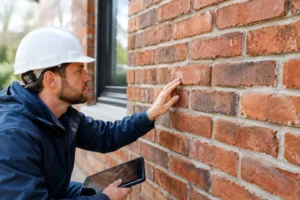
Start with a professional inspection. Do not climb onto the roof yourself if you are not trained and equipped to do it safely. A proper inspection should look beyond the surface and identify whether the issue is isolated or part of broader roof failure.
Ask clear questions. Is the decking sound? Are the leaks tied to flashing or to material breakdown across the roof? How much usable life is realistically left? A trustworthy contractor should explain the trade-offs between repair and replacement in plain terms, with no pressure and no vague promises.
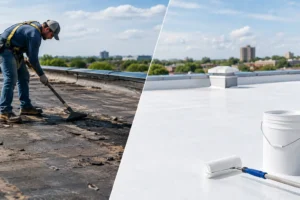
If replacement is recommended, material choice matters. Asphalt shingles are common for good reason, but some homes benefit from flat-roof systems like EPDM or PVC on lower-slope sections. The right answer depends on your roof design, budget, and how long you plan to stay in the home.
At Adore Construction, the goal is simple: protect the home, fix the real problem, and give homeowners a clear path forward.
A roof does not need to be collapsing to tell you something is wrong. If the warning signs are adding up, the best time to act is before the next leak reaches the living room ceiling.