A roof leak rarely starts as a big dramatic problem. More often, it shows up as a faint ceiling stain after heavy rain, a drip in the attic, or damp insulation you only notice when something smells off. If you are searching for roof leak repair near me, chances are you do not need a sales pitch. You need to know what to do next, how urgent it is, and how to make sure the repair actually lasts.
The hard part is that water does not always enter where you see it. It can travel along decking, rafters, flashing, or masonry before it finally appears inside your home. That is why quick action matters, but guesswork can make the problem worse.
Why roof leaks happen in the first place
Most homeowners assume a leak means the shingles failed. Sometimes that is true, but not always. Roof leaks often come from vulnerable transition points – around chimneys, vents, skylights, valleys, pipe boots, and flashing details where different materials meet.
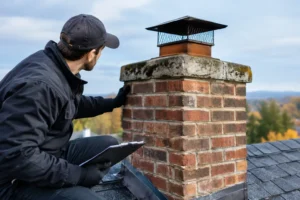
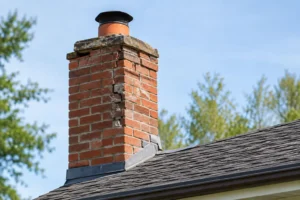
On many homes, chimney flashing is a major trouble spot. If flashing loosens, rusts, pulls away, or was installed poorly to begin with, water can work its way inside even when the main roofing field still looks decent. Cracked masonry, damaged chimney crowns, and missing sealant around roof penetrations can lead to the same kind of problem.
Age is another factor, but age alone does not tell the whole story. A newer roof with poor workmanship can leak sooner than an older roof that was installed correctly and maintained well. Storm damage, lifted shingles, clogged gutters, ice backup, and failing underlayment all play a role too. In New Jersey, freeze-thaw cycles and strong weather swings can speed up that wear.
What to do while waiting for roof leak repair near me
Start inside the house. Move furniture, rugs, electronics, and anything else that could be damaged by water. If the ceiling is actively dripping, place a bucket underneath and use towels to control splash. If the ceiling is bulging, that can mean water is pooling above it. In some cases, carefully draining it can reduce the chance of a larger collapse, but many homeowners are better off leaving that step to a professional if they are unsure.
If it is safe to access the attic, look for wet insulation, darkened wood, or active drips. Do not step between joists or try to walk around in poor lighting. Also, avoid climbing onto the roof during rain, wind, or icy conditions. A leak is serious, but a fall is worse.
Take photos of what you see. That helps with insurance documentation, contractor communication, and tracking whether the issue is spreading. Then make the call. A responsive contractor can often identify whether you need a targeted repair, emergency tarping, flashing work, or a broader roofing correction.
Signs the leak may be worse than it looks
Some leaks are limited and straightforward. Others point to deeper roof system failure. The difference matters because patching the visible symptom will not solve a structural or widespread moisture issue.
If you notice repeated leaks in the same area, peeling paint, moldy attic insulation, soft roof decking, or staining that keeps growing after a supposed repair, the problem may extend beyond one shingle or one seam. The same is true if the leak appears around a chimney, vent, or roof valley where proper flashing and waterproofing details matter.
A roof can also leak without a dramatic interior drip. Musty odors, warped trim, bubbling drywall, and mysterious moisture around upper walls are often early warnings. Catching those signs sooner usually means a smaller repair bill and less interior damage.
The difference between a temporary patch and a real repair
This is where homeowners often lose time and money. A quick patch has its place when weather is bad and the goal is to stop active water intrusion. But a temporary fix is not the same as correcting the source.
A lasting repair starts with finding the true entry point. That may involve replacing damaged shingles, resealing or rebuilding flashing, correcting chimney or masonry defects, replacing rotten decking, or addressing issues around roof penetrations. Sometimes the roof itself is not the only problem. If the chimney crown is cracked or the masonry is absorbing water, roof-area leaking can continue even after surface roofing materials are touched.
That is why the best repair approach depends on the actual condition of the system. It is not always a major project, but it should always be an informed one.
How to choose the right contractor for roof leak repair near me
When a leak is active, speed matters. So does judgment. Homeowners under pressure sometimes hire the first person who answers the phone, and that can lead to rushed patchwork, vague pricing, or repairs that fail at the next storm.
Look for a contractor who works on the type of issue you likely have, not just general handyman work. Roofing leaks often involve flashing, ventilation, decking, and in many homes, chimney-related details. A company that understands both roofing and chimney systems can be a strong fit when the leak is happening near masonry, flashing lines, or roof transitions.
You should also expect clear communication. A trustworthy contractor explains what they found, what is damaged, whether the solution is temporary or permanent, and what the repair is meant to accomplish. Fully insured service, documented estimating, and a local reputation all matter here. So does honesty. If a section of roof has reached the point where spot repair is no longer cost-effective, you should be told that directly.
For homeowners in New Jersey, local experience matters because weather patterns, common roof types, and seasonal stress all affect how repairs hold up over time. A contractor familiar with those conditions is better positioned to make practical recommendations.
Repair or replacement? It depends on the roof
Not every leak means you need a new roof. In fact, many do not. If the roof is otherwise in solid condition and the issue is isolated to flashing, a vent boot, a small section of shingles, or a specific penetration, a focused repair can be the right move.
But there are times when replacement makes more financial sense. If the roof is near the end of its service life, has widespread wear, multiple prior repairs, or underlying decking problems, repeated fixes can add up fast. The cheapest immediate option is not always the least expensive over the next few years.
This is one of those areas where a dependable contractor earns trust by being practical. You want the repair if the repair is enough. You want replacement advice only when the roof condition truly supports it.
Why leaks around chimneys deserve extra attention
Chimneys create one of the most leak-prone areas on a roof because they interrupt the roofing system and depend on proper flashing, counter flashing, masonry condition, and water-shedding design. If any of those pieces fail, water can enter and travel in ways that are hard to trace.
A homeowner may think the roof is leaking when the real issue is chimney deterioration. Or the opposite can happen – a masonry symptom gets blamed when flashing is the real culprit. That is why leak diagnosis near a chimney should never be reduced to a quick tube of sealant and a promise.
At Adore Construction, that kind of crossover issue is familiar territory because roofing and chimney performance often affect each other. When both systems are looked at together, repairs tend to be more accurate and more durable.
The cost question homeowners always ask
The honest answer is that roof leak repair pricing varies. A minor repair in an accessible area is very different from a leak tied to flashing failure, hidden wood rot, or chimney-related water intrusion. The final cost depends on the source of the leak, the materials involved, how far the damage has spread, and whether emergency protection is needed first.
What matters most is value. A proper repair should stop the leak, protect the surrounding structure, and reduce the chance of repeat service calls. If a quote seems unusually low, it is worth asking what is actually included and whether the source of the leak has been fully diagnosed.
Act early, even if the leak seems small
Small leaks have a way of becoming expensive ones. Water does not stay neatly contained. It can damage insulation, framing, drywall, paint, flooring, and even electrical components if left alone long enough.
The good news is that early action gives you options. A fast response can limit interior damage, preserve more of the existing roof, and keep a targeted repair from turning into a larger restoration job. If your ceiling is stained, your attic is damp, or water is showing up after every storm, trust what your house is telling you and get it checked before the next rain decides for you.