A chimney usually gets ignored until something goes wrong. The first clue might be a smoky fireplace, a water stain near the ceiling, a musty smell, or bits of brick and flue debris showing up where they should not. A solid residential chimney maintenance guide helps you catch those warning signs early, before a small issue turns into water damage, fire risk, or a much bigger repair bill.
For most homeowners, chimney maintenance is less about doing everything yourself and more about knowing what to watch, what to schedule, and when a professional needs to step in. A chimney system has several parts working together – the flue, liner, crown, cap, flashing, masonry, and firebox. When one part starts to fail, the damage rarely stays contained for long.
Why chimney maintenance matters more than people think
A chimney deals with heat, moisture, creosote, changing temperatures, and constant exposure to the weather. That is a rough combination for any part of a house. Even a well-built chimney can wear down over time, especially in climates with heavy rain, snow, freeze-thaw cycles, and humid seasons.
The biggest risks usually fall into three categories. First, there is fire safety. Creosote buildup inside the flue can ignite, and a damaged liner can allow heat or gases to move where they should not. Second, there is water intrusion. Cracked crowns, missing caps, failed flashing, and deteriorating masonry let water into the system, which leads to staining, mold, rust, and structural breakdown. Third, there is performance. If the chimney is blocked, damaged, or venting poorly, you may notice smoke backing up into the home or appliances not drafting correctly.
That is why regular upkeep matters. It protects the structure, helps your fireplace or venting system work the way it should, and reduces the chance of emergency repairs.
Residential chimney maintenance guide for every season
A practical maintenance plan starts with timing. You do not need to overcomplicate it, but you do need consistency.
Spring and summer
These are good seasons for inspections and repair work. If your fireplace worked hard through the winter, spring is a smart time to check for creosote, flue damage, and masonry wear. Summer is also ideal for waterproofing, crown repairs, flashing work, and exterior masonry restoration because dry conditions help materials cure properly.
Fall
Fall is when most homeowners realize they should have called sooner. If you use your fireplace or wood stove, this is the time for sweeping and a full inspection before the heating season starts. Waiting until the first cold week often means tighter scheduling and less flexibility if repairs are needed.
Winter
Winter is mostly about monitoring performance. If you notice draft problems, odors, leaking, or visible damage after a storm, do not ignore it. Some issues can wait for milder weather, but active leaks, loose masonry, and major venting concerns should not.
What homeowners should check between service visits
You do not need to climb on the roof or inspect the flue yourself to stay ahead of chimney problems. A basic visual check from inside and around the home can tell you a lot.
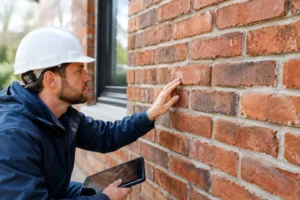
Look for white staining on the brick, cracked mortar joints, rust on the damper or firebox components, and moisture marks on nearby walls or ceilings. If the chimney has a musty odor, especially in humid weather, that can point to trapped moisture. If pieces of tile, mortar, or flue debris appear in the fireplace, the liner or interior masonry may be deteriorating.
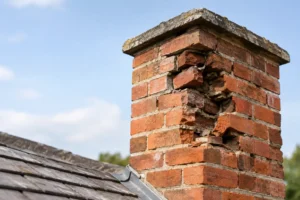
Outside, look from the ground for a leaning chimney, missing chimney cap, damaged brickwork, or obvious cracks near the top. Also pay attention after major weather events. Wind, ice, and heavy rain can speed up existing damage.
These checks are useful, but they do not replace a professional inspection. Many of the most serious chimney issues start where you cannot see them.
Cleaning, inspections, and repairs are not the same thing
This is where many homeowners get tripped up. Chimney sweeping, inspection, and repair are related, but they are not interchangeable.
Cleaning removes soot, creosote, and obstructions such as nests or debris. That helps reduce fire risk and improve venting. Inspection is the process of evaluating the condition of the full chimney system, including visible structure and internal components. Repair addresses damage that has already developed, whether that is cracked mortar, a damaged crown, a failed liner, broken flashing, or water penetration.
A chimney can be clean and still unsafe. It can also be structurally sound but overdue for sweeping. The right service depends on how the chimney is used, how old it is, and whether there are signs of active damage.
The chimney parts that need the most attention
Some components fail more often than others, and when they do, they tend to create bigger problems fast.
Chimney cap
The cap helps keep out rain, animals, and debris. If it is missing or damaged, water can enter directly into the flue, and nesting materials can create a blockage. This is a small part with a big job.
Crown
The crown is the top surface that helps shed water away from the flue opening and chimney structure. Cracks in the crown are common, especially with age and weather exposure. Left untreated, those cracks let in water that can freeze, expand, and worsen the damage.
Flashing
Flashing seals the joint where the chimney meets the roof. When flashing pulls away, rusts through, or was poorly installed to begin with, leaks often show up inside the house. Homeowners sometimes blame the roof when the chimney connection is the real problem.
Masonry and mortar joints
Brick and mortar naturally wear down over time. Spalling brick, open joints, and loose masonry are signs that moisture has been getting in. Repointing and targeted masonry repair can often stop the progression before a rebuild is needed.
Flue liner
The liner is one of the most important safety components in the system. It helps contain heat and combustion byproducts and protects nearby materials. If the liner is cracked, broken, or deteriorated, the chimney may not vent safely.
When to call a professional right away
Some chimney issues can wait a little while for scheduled maintenance. Others should be addressed as soon as possible.
Call for service if you have smoke entering the room, a strong odor coming from the fireplace, visible water leaks, crumbling brick or mortar, or signs that the chimney is pulling away from the house. The same goes for a missing cap, animal entry, or any concern after a chimney fire.
If you recently bought a home and do not know the chimney’s service history, it is also smart to have it inspected before regular use. That is especially true for older homes, where hidden liner damage or long-term moisture problems may already be present.
DIY maintenance has limits
Homeowners can help by staying observant, keeping the firebox area clean, and scheduling service at the right time. Beyond that, chimney work is not a casual weekend project.
Working on a roof carries obvious safety risks. More importantly, chimney problems are often deeper than they look. A hairline crack at the top can be part of a larger moisture issue. Smoke drafting problems may involve the flue, liner, cap design, or blockage. Using the wrong sealant or patch can even trap moisture and make the damage worse.
That is why experienced chimney contractors focus on diagnosis first. The repair that saves money long term is usually the one that addresses the source of the problem, not just the symptom you happen to see.
How often should a chimney be serviced?
The answer depends on fuel type, frequency of use, age, and condition. A wood-burning fireplace usually needs more frequent attention because creosote builds up faster. Gas systems may burn cleaner, but they still need inspection for venting issues, liner condition, moisture damage, and blockages.
As a general rule, annual inspection is a smart baseline for most residential systems. If the chimney gets heavy seasonal use, has a history of leaks, or shows signs of deterioration, more frequent service may make sense. A newer chimney in good condition may need less repair work, but it still should not be ignored.
For New Jersey homeowners, weather adds another layer. Freeze-thaw cycles are hard on crowns, mortar, and brick faces, so small exterior defects can become larger structural issues faster than expected.
Choosing the right chimney service approach
The best residential chimney maintenance guide is not about pushing every service at once. It is about doing the right work at the right time.
If the system is sound, routine sweeping and inspection may be all you need this year. If water is getting in, repairs like flashing correction, crown sealing, cap replacement, or waterproofing may be the priority. If the liner or structure is compromised, it is better to deal with that directly than keep spending money on temporary fixes.
A dependable contractor should be clear about what is urgent, what is preventive, and what can be planned for later. That kind of straightforward guidance matters. Homeowners do not need pressure. They need honest answers, safe workmanship, and repairs that hold up.
At the end of the day, chimney maintenance is really home protection. If you stay ahead of the warning signs and handle problems early, your chimney is far more likely to stay safe, dry, and dependable when you need it most.