A low-slope roof over a porch, addition, garage, or attached living space has one job: keep water moving out and away from your home. When that roof starts leaking, the choice between PVC versus EPDM roofing can affect repair needs, energy use, and how confidently your home handles the next hard New Jersey storm.
Both systems are proven options for flat and low-slope roofing. Neither is automatically right for every property. The better choice depends on your roof’s layout, drainage, exposure to sun and tree debris, budget, and whether you need a repair or a full replacement.
PVC versus EPDM roofing at a glance
PVC and EPDM are single-ply roofing membranes. That means they use a continuous flexible sheet material rather than overlapping shingles. Both can protect low-slope roof areas where shingles may not shed water effectively.
PVC is a white thermoplastic membrane. Its seams are heat-welded, creating a strong, watertight bond when installed correctly. EPDM is a synthetic rubber membrane, usually black, with seams joined using approved tapes or adhesives. It has been used on low-slope roofs for decades and is known for flexibility.
The biggest practical difference is how the systems manage seams, heat, and rooftop exposure. PVC generally costs more upfront, while EPDM is often the more budget-friendly option. A qualified inspection is the best way to determine whether either material suits the roof you have.
When PVC roofing makes sense
PVC roofing is often a strong choice for homeowners who want a bright, reflective roof membrane with heat-welded seams. The white surface reflects a significant amount of sunlight, which can help reduce heat absorbed by rooms below during hot weather. That can be especially useful over sun-facing additions, enclosed porches, and living spaces with limited attic insulation.
Its welded seams are a major advantage. A low-slope roof can hold standing water after heavy rain, especially if drains or scuppers are slow to clear. Properly welded PVC seams provide dependable protection in these vulnerable areas. PVC also performs well around penetrations such as vent pipes, skylights, HVAC supports, and flashing details, provided the installation is completed carefully.
PVC has good resistance to many chemicals, grease, and oil exposure. For most homes, that benefit is less critical than it is for restaurants or commercial buildings. Still, the material’s overall toughness and seam strength make it worth considering for complicated residential roof sections.
The trade-off is cost. PVC materials and installation are generally more expensive than EPDM. The membrane must also be installed by a contractor experienced with heat welding. A poor weld can become a leak point, so workmanship matters as much as the membrane itself.
PVC may be the better fit if your roof has:
A lot of seams, corners, penetrations, or transition details; regular exposure to direct sun; rooms below that become excessively hot; or drainage areas where water sometimes remains after rain. It can also make sense when you are replacing an aging roof and want a long-term system with highly secure seams.
When EPDM roofing makes sense
EPDM is a durable synthetic rubber roofing material that has earned its place on residential low-slope roofs. It is flexible, handles temperature changes well, and is commonly available in wider sheets. Fewer seams can be helpful on simple roof shapes, since seams are usually the areas most likely to need attention over time.
Black EPDM absorbs more heat than white PVC. In a colder climate, that may not always be a drawback, particularly above an unconditioned garage or storage area. But over a living space, the added summer heat can make cooling more difficult. White EPDM options are available, though traditional black EPDM remains common.
EPDM is often the practical choice when a homeowner needs reliable low-slope protection without the higher initial investment of PVC. It is especially well suited to broad, uncomplicated roof areas with limited penetrations and proper drainage.
Repairs can be straightforward when the membrane is otherwise in good condition. A trained roofing professional can often clean, prepare, and patch localized damage using compatible materials. However, an old EPDM roof with widespread seam separation, cracking at flashings, or recurring ponding water may be better served by replacement than repeated patches.
EPDM may be the better fit if your roof has:
A simple layout, a limited number of pipe penetrations, sound drainage, and a budget that calls for a proven, cost-conscious membrane system. It is also a dependable option for garages, sheds, and additions where a durable low-slope roof is needed without paying for features the structure may not require.
Cost is more than the price per square foot
It is tempting to compare PVC and EPDM by material price alone. That rarely tells the full story. Roof access, removal of old materials, insulation needs, edge metal, drain work, flashing, deck repairs, and the number of penetrations can all change the final estimate.
PVC typically carries a higher installed cost, but its welded seams and reflective surface may justify the investment for some homes. EPDM usually offers a lower upfront price and strong performance on the right roof design. Neither system is a bargain if it is installed over wet insulation, damaged roof decking, or unresolved drainage problems.
A transparent estimate should explain what is being removed, what condition the roof deck is in, how the membrane will be attached, and how flashing details will be handled. If a contractor only quotes a membrane type without inspecting the edges, drains, and transitions, there may be important costs or risks left out of the conversation.
Drainage can decide the outcome
No roofing membrane performs at its best when water is trapped in the same place week after week. Ponding water speeds up wear, exposes weak seams, and makes small installation defects more serious. Before choosing a material, look at why water is remaining on the roof.
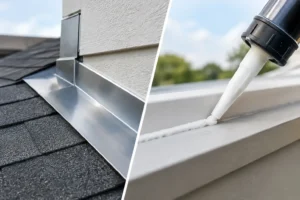
Sometimes the solution is as simple as clearing clogged drains or improving a scupper. Other times, the roof needs tapered insulation to create a proper slope, or the deck itself may need correction. Water can also enter where a low-slope roof meets siding, masonry, or a chimney. These transitions need carefully integrated flashing, not just caulk spread over an old joint.
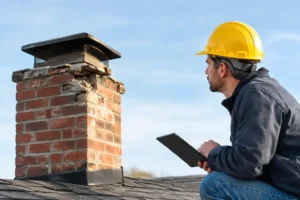
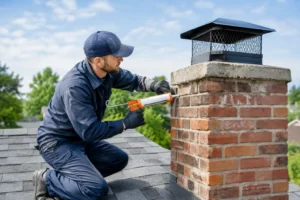
For homes with chimney work near a low-slope roof, coordinating the roofing and masonry details is especially important. A sound chimney crown or repaired brickwork will not solve a leak if the roof flashing below it has failed.
Durability depends on installation and maintenance
PVC and EPDM can both provide many years of service when they are properly designed, installed, and maintained. Exact service life varies based on membrane thickness, attachment method, weather exposure, foot traffic, drainage, and past repairs.
PVC can be punctured by sharp objects, just as other membrane roofs can. EPDM can be damaged by branches, dropped tools, or unauthorized foot traffic. Keep tree limbs trimmed back, avoid storing items on the roof, and have any tear or loose flashing checked promptly. Small problems are usually easier and less expensive to correct before water reaches insulation or decking.
Homeowners should also watch for interior signs of trouble: ceiling stains, peeling paint, damp odors, bubbling drywall, or visible mold near the roofline. A leak may travel along framing before it appears indoors, so the stain is not always directly below the opening.
Choosing the right low-slope roof for your property
The best material is the one that matches the roof’s conditions and is installed with care. PVC is often worth the added cost for complicated roof details, high sun exposure, and homeowners who value welded seams and a reflective surface. EPDM is often the smart, dependable choice for simpler roof sections where flexibility and lower upfront cost are the priorities.
Before approving a replacement, ask for a clear explanation of the roof’s drainage, flashing plan, membrane thickness, insulation condition, and warranty coverage. A dependable contractor should be willing to explain the work in plain language and point out the areas most likely to cause future leaks.
If water is already finding its way indoors, do not wait for a larger storm to make the decision for you. Having the roof inspected now gives you time to choose the system that protects your home, your budget, and the space below it.