A chimney can look solid from the ground and still be taking on water every time it rains. That is how many new jersey chimney moisture problems start – quietly, then expensively. By the time a homeowner notices stains on the ceiling, crumbling mortar, or a musty smell near the fireplace, the damage has often spread beyond the chimney itself.
In New Jersey, chimneys take a beating. Freeze-thaw cycles, coastal humidity, heavy rain, snow, and wind-driven storms all work against masonry. Even a well-built chimney can start failing if one part of the system lets water in. The key is knowing where moisture gets in, what signs to watch for, and which repairs actually solve the problem instead of covering it up for one more season.
Why New Jersey chimney moisture problems are so common
Chimneys sit above the roofline with constant exposure to the weather. Unlike siding or windows, they absorb water from multiple directions. Rain hits the brick face, snow rests on horizontal surfaces, and damp air works into porous masonry over time. When temperatures drop, that trapped moisture freezes, expands, and starts breaking materials apart from the inside.
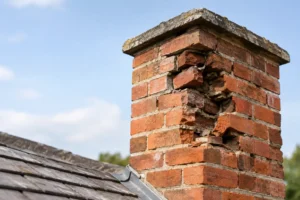
That cycle is especially hard on older brick chimneys. Mortar joints weaken first, then bricks begin to flake or crack. Once the outer face starts failing, the chimney absorbs even more water. What began as a small maintenance issue can turn into structural repair, liner damage, interior leaking, and in some cases partial rebuild work.
Roof connection points are another common trouble spot. If flashing around the chimney is loose, rusted, or improperly installed, water can enter where the chimney meets the roof. Homeowners often assume they have a roof leak when the real problem is chimney flashing or crown failure.
Where chimney moisture usually gets in
Moisture problems rarely come from one dramatic opening. More often, water enters through worn or neglected parts that should be working together as one system.
Damaged chimney crown
The crown is the top cement surface that helps shed water away from the flue and masonry below. If it is cracked, poorly formed, or worn down, water can seep into the chimney structure from the top. Small crown cracks are easy to ignore, but they can lead to major interior damage when left exposed through repeated storms and winter weather.
Missing or damaged chimney cap
A chimney cap helps keep rain, debris, and animals out of the flue. Without one, water drops straight down into the chimney. That can damage liners, dampers, firebox components, and interior masonry. A cap is a simple part, but it does a lot of protective work.
Failing flashing
Flashing seals the joint where the chimney and roof meet. If that seal breaks down, water can get into the attic, roof decking, insulation, and interior ceilings. Because the leak shows up indoors, many homeowners first call for roof repair. A good inspection should always include the chimney base and flashing details.
Worn mortar joints and porous brick
Masonry naturally absorbs some moisture, but when brick and mortar start deteriorating, water gets in faster than the chimney can dry out. Repointing failing mortar joints and addressing damaged brick is often necessary to stop long-term water intrusion.
No waterproofing protection
Many brick chimneys have never been professionally waterproofed, or the old treatment has worn off. Masonry needs to breathe, so the right product matters. A proper breathable waterproofing treatment helps reduce water absorption without trapping moisture inside.
Signs the problem is already affecting your home
Some chimney leaks are obvious. Others look like unrelated house problems until the pattern becomes clear.
Water stains on ceilings or walls near the fireplace are common warning signs. So are peeling paint, damp odors, and visible efflorescence – that white chalky residue on brick. Outside, spalling brick, cracked mortar, rust on metal components, and pieces of masonry in the yard all point to moisture damage.
Inside the firebox, you may notice a musty smell, rusted damper parts, or signs of water staining. If the chimney liner has been affected, there may also be drafting problems or performance issues when using the fireplace. Moisture and combustion do not mix well. Water can shorten the life of liner systems and create safety concerns if damage goes unchecked.
Why quick patch jobs usually fail
Homeowners understandably want a fast fix when a leak appears. The problem is that chimney moisture issues are often layered. A tube of caulk on a visible crack may slow water for a short time, but it does not correct failing flashing, a cracked crown, open mortar joints, and missing waterproofing all at once.
Paint-on sealers can also create new trouble if the wrong product is used. Some coatings trap moisture inside the masonry. That may make the chimney look better for a while, but the brick can deteriorate faster underneath. The right repair depends on where the water is entering and how much damage has already occurred.
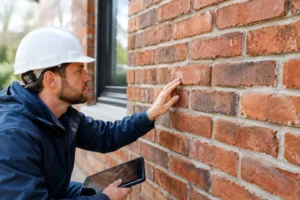
That is why inspection matters. A dependable contractor should be looking at the entire chimney system, not just the first visible symptom.
The right fix depends on the source
For top-down water entry
If water is entering from above, the solution may include crown repair or rebuilding, cap installation, and checking the flue opening for proper protection. These repairs help stop direct rain entry before it damages liner and masonry components below.
For roofline leaks
If the leak is happening where the chimney meets the roof, flashing repair or replacement is usually the priority. This work has to be done carefully and integrated correctly with the roofing material. Poor flashing work often causes repeat leaks, especially during wind-driven rain.
For masonry absorption and decay
If the brick and mortar are already taking on too much water, repairs may include tuckpointing, replacing damaged brick, sealing cracks, and applying breathable waterproofing. If deterioration is advanced, partial or full rebuild work may be the more durable option.
For interior damage and safety concerns
If moisture has affected the liner, smoke chamber, or firebox, the chimney may need internal repair as well. This is where many homeowners realize the problem is bigger than appearance alone. Water damage can become a performance issue and, in some cases, a fire safety issue.
What homeowners should do first
If you suspect a leak, do not wait for the next season to confirm it. Water damage almost always gets more expensive with time. A prompt inspection can tell you whether the issue is preventive maintenance, a targeted repair, or a larger restoration job.
Take note of where and when you see symptoms. Does staining appear after heavy rain, melting snow, or wind-driven storms? Is the damage near the chimney breast, the ceiling line, or the exterior brick? Those details help narrow down the source, but they should not replace a professional inspection.
It also helps to think long term. The cheapest repair is not always the most affordable one if it fails in a year. Homeowners usually do better with repairs that address the entry point, restore damaged materials, and add protection against future weather exposure.
Preventing future chimney moisture problems
The best chimney repair is the one that does not have to be repeated. Regular inspections, especially before or after winter, can catch crown cracks, mortar loss, flashing wear, and cap issues before they become interior leaks.
Waterproofing is another strong preventive step when the masonry is sound enough for treatment. It is not a substitute for repair, but it is a smart layer of protection once the chimney is in proper condition. Keeping up with smaller maintenance items can extend the life of the entire chimney and reduce the risk of more serious structural work later.
For homeowners in New Jersey, that preventive mindset matters. Weather here does not give neglected chimneys much of a break. A small opening in spring can become major brick damage after a hot, humid summer and one hard winter.
When moisture starts affecting a chimney, the goal is not just to stop a leak for now. The goal is to protect the home, preserve the structure, and fix the problem with workmanship that holds up. If your chimney is showing signs of water damage, trust what you are seeing and get it checked before the next storm makes the decision for you.