A chimney can look solid from the driveway while hiding problems that affect fire safety, indoor air quality, and the structure around it. A professional New Jersey chimney inspection gives homeowners a clear look at the parts that cannot be judged from the ground – including the flue, liner, masonry joints, flashing, crown, and cap. It is a practical service that can prevent a small repair from turning into a smoke problem, roof leak, or costly rebuild.
New Jersey weather is hard on chimneys. Freeze-thaw cycles can open mortar joints, heavy rain can expose failed flashing, and wind-driven debris can damage caps and crowns. If you use a fireplace, wood stove, or other vented heating appliance, regular inspection also helps identify conditions that could restrict draft or raise the risk of a chimney fire.
When Should You Schedule a New Jersey Chimney Inspection?
For most homes, an annual chimney inspection is the sensible starting point, especially before regular fireplace use begins in the fall and winter. This timing gives you room to complete cleaning or repairs before colder weather arrives.
The right schedule can depend on how the chimney is used and its condition. A fireplace used only a few times each season may have different maintenance needs than a wood-burning stove used daily. Older masonry chimneys, homes with a history of leaks, and chimneys that have not been inspected for several years deserve closer attention.
Do not wait for the annual appointment if you notice a problem. A prompt inspection is a smart move after a chimney fire, major storm, lightning strike, falling tree damage, or a suspected roof leak near the chimney. It is also wise to have the system checked before using a fireplace in a home you recently purchased, even when the chimney looks clean and intact.
What a Chimney Inspection Checks
A proper inspection is more than a quick look at the brick. The inspector evaluates the chimney as a complete system, from the firebox and smoke chamber to the flue and exterior masonry. The goal is to find safety issues, water entry points, damage, and wear that could affect performance.
The flue and liner
The flue is the passage that carries smoke and combustion gases outside. Cracks, gaps, missing liner sections, excessive creosote, and blockages can interfere with safe venting. A damaged liner can allow heat or gases to reach areas where they do not belong.
Depending on the chimney and the reason for the inspection, a camera scan may be used to see deeper into the flue. This is especially helpful when there are draft issues, smoke entering the room, evidence of a past chimney fire, or concerns about hidden liner damage.
The firebox, damper, and smoke chamber
Inside the home, the inspection includes visible components of the fireplace. Loose firebrick, deteriorated mortar, a damaged damper, or rough buildup in the smoke chamber can affect how the fireplace operates. The inspector also looks for signs that smoke, heat, or moisture is escaping into nearby areas.
A damper that will not open fully can make lighting a fire difficult and push smoke back into the room. A damper that will not close can allow heat loss, moisture, and pests into the home when the fireplace is not in use.
Masonry, crown, cap, and flashing
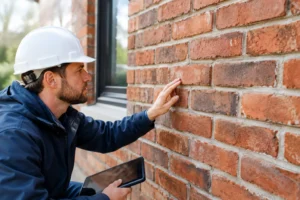
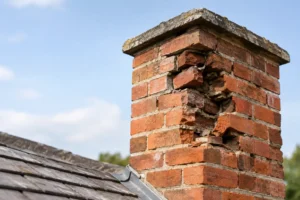
On the exterior, the condition of the brick, stone, mortar, crown, cap, and flashing matters just as much as the flue. Water is one of the biggest threats to a masonry chimney. Once it enters through cracked mortar, a failed crown, or loose flashing, it can freeze, expand, and cause more extensive damage.
A chimney cap helps keep out rain, leaves, nesting animals, and sparks. The crown is the concrete or masonry top that directs water away from the flue and chimney structure. Flashing seals the area where the chimney meets the roof. Each component serves a different purpose, and failure in any one of them can lead to leaks or deterioration.
Chimney Inspection Levels: What Do You Need?
Not every inspection requires the same level of review. The appropriate approach depends on the chimney’s history, the work being performed, and whether there are signs of damage.
A Level 1 inspection is generally used for a chimney that has not changed and is being checked as part of routine maintenance. It covers readily accessible portions of the chimney and appliance connection, along with a review of basic operation and visible condition.
A Level 2 inspection is more detailed. It is often recommended when a property changes ownership, after an event such as a chimney fire or severe weather damage, or before certain changes to the fuel type, appliance, or liner. This inspection commonly includes a video scan of the flue and access to areas such as attics, crawl spaces, or basements where chimney-related conditions may be visible.
A Level 3 inspection is reserved for situations where a serious hidden problem is suspected and portions of the chimney or surrounding structure may need to be opened for evaluation. This is not routine, but it can be necessary to identify the cause of major damage safely.
The right level is not about selling more work. It is about getting enough information to make a sound repair decision. A qualified contractor should explain why a particular inspection level is recommended and provide clear findings before moving forward.
Warning Signs You Should Not Ignore
Some chimney issues announce themselves clearly. Others start quietly and become more expensive when left alone. Call for an inspection if you see white staining on the masonry, crumbling mortar, rust on the damper or firebox, cracked chimney crown material, missing cap pieces, or water spots near the fireplace or chimney on an upper floor.
Smoke backing into the room, strong odors after rain, poor draft, falling flakes of tile or masonry, and visible gaps around the flashing also need attention. These symptoms do not always point to one single repair. For example, a leak near the chimney may come from failed flashing, damaged roofing, cracked masonry, or more than one issue at the same time. Inspection is how you avoid guessing.
Animal activity is another reason to act. Birds, squirrels, and other animals can build nests that block the flue or damage the cap. Do not light a fire if you suspect an obstruction. Have the chimney checked and cleared first.
Why Inspection and Sweeping Often Go Together
Inspection and chimney sweeping serve different purposes, but they work well together. Sweeping removes soot, creosote, and debris from the flue. Inspection identifies damage, venting concerns, and water-related issues that cleaning alone cannot fix.
If the chimney has not been used much, it may still need inspection. Rain, snow, animals, shifting masonry, and deteriorating flashing do not depend on how often you light a fire. Likewise, a recently swept chimney may still have a cracked liner or failing crown that needs repair.
When cleaning is needed, it should be completed carefully and with protection for the work area. A professional service visit should leave you with a clear explanation of the chimney’s condition, what was found, and which repairs are urgent versus preventive.
What Happens After the Inspection?
The best next step depends on the findings. Minor concerns might call for a cap replacement, crown sealing, mortar repair, or waterproofing. More significant issues may require flashing repair, chimney rebuilding, liner installation, or repairs to surrounding roofing and masonry.
There are trade-offs. Surface waterproofing can help protect sound masonry from moisture, but it will not solve loose bricks, failing mortar, or an active flashing leak. Repointing can restore damaged joints, but a deteriorated crown may still allow water into the chimney. A good repair plan addresses the source of the problem rather than covering its symptoms.
Ask for a straightforward estimate that separates immediate safety work from recommended maintenance. At Adore Construction, the focus is on helping homeowners understand the condition of their chimney and choosing a repair that protects the home for the long term.
A chimney is not a part of the house to monitor from a distance. If something looks different, smells unusual, leaks after rain, or does not draft the way it should, schedule an inspection before using it again. A clear answer now can protect your home, your family, and your budget when the next heating season arrives.