A chimney fire can start quietly. Creosote inside the flue catches, temperatures rise fast, and the damage may extend beyond the chimney before anyone realizes there is a problem. Knowing how to prevent chimney fires gives you more than peace of mind – it helps protect your home, family, roof, and chimney structure during every heating season.
For New Jersey homeowners, the biggest risks often build up over time: a fireplace used without regular cleaning, wet wood burned during cold weather, or small chimney damage left exposed through another freeze-thaw cycle. The good news is that most chimney fires are preventable with consistent maintenance and smart fireplace habits.
Keep Creosote From Building Up
Creosote is the leading cause of chimney fires. It is a dark, sticky, or crusty residue that forms when smoke cools inside the chimney. Every fire produces some creosote, but the amount and type depend on how you burn your wood and the condition of your chimney.
A clean-burning fire produces less buildup. A smoky, slow-burning fire produces more. When creosote collects in thick layers, it can ignite from the heat moving through the flue. Once burning, a chimney fire can reach extremely high temperatures and crack flue liners, damage masonry, warp metal components, and spread heat to nearby framing.
Professional chimney sweeping removes combustible creosote before it becomes a serious hazard. How often you need service depends on how often you use the fireplace, what you burn, the appliance type, and the chimney’s condition. As a practical rule, schedule an annual chimney inspection and have the flue swept whenever the inspection shows meaningful buildup.
Do not wait until you notice a strong odor, falling flakes in the firebox, or poor fireplace performance. Those signs can mean the chimney has already accumulated more creosote than it should.
Burn Only Properly Seasoned Firewood
The wood you choose has a direct effect on chimney safety. Fresh-cut or damp wood contains too much moisture. It burns cooler, creates more smoke, and leaves behind heavier creosote deposits. The fire may look active, but the chimney is receiving cooler, dirtier exhaust.
Use seasoned hardwood that has been split, stored off the ground, and protected from rain while still allowing airflow. Properly seasoned wood should feel lighter than green wood, have visible cracks at the ends, and make a sharper sound when pieces are knocked together.
Avoid burning trash, cardboard, painted lumber, treated wood, or manufactured materials that are not approved for your fireplace. These materials can release harmful fumes, burn unpredictably, and create residue that damages the flue. A fireplace is designed for the right fuel, not as a household disposal method.
Build Hot, Controlled Fires
A fireplace needs enough airflow to move smoke and combustion gases up and out through the chimney. Before lighting a fire, make sure the damper is fully open. If your fireplace has glass doors, follow the manufacturer’s guidance for whether they should be open or closed while burning.
Start with dry kindling and small pieces of seasoned wood, then add larger logs gradually. This helps establish a hotter, cleaner fire without overloading the firebox. Avoid packing the fireplace full of wood or trying to keep a fire smoldering overnight. Long, low-oxygen fires are major creosote producers.
Never use gasoline, lighter fluid, or other accelerants to start a fireplace fire. They can cause sudden flare-ups that put the firebox, chimney, and people nearby at risk. Keep a fireplace screen in place to stop sparks and embers from reaching flooring, furniture, or rugs.
Schedule a Chimney Inspection Every Year
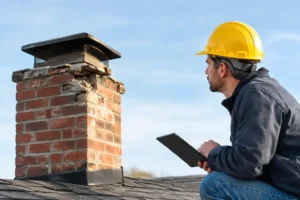
Sweeping is essential, but cleaning alone does not reveal every safety issue. An annual chimney inspection checks the full venting system for creosote, blockages, liner damage, cracks, deterioration, moisture problems, and signs of prior chimney fire activity.
A damaged liner is especially important to address. The liner is there to contain heat and combustion gases as they travel through the chimney. If it is cracked, missing sections, or improperly sized, heat can reach combustible materials around the chimney. In some homes, repairing or relining the chimney with a durable system may be the safest long-term solution.
An inspection can also identify problems outside the flue. Loose bricks, failed mortar joints, a cracked crown, damaged flashing, or a missing cap can allow water into the chimney. Water and freeze-thaw weather accelerate deterioration, and damaged masonry can eventually affect the chimney’s ability to vent safely.
Make Sure the Chimney Can Breathe
Smoke needs a clear path from the fireplace to the outside. Bird nests, leaves, broken masonry, and debris can obstruct that path. A blockage can force smoke and carbon monoxide back into the home, while also causing heat and soot to build up where they should not.
A properly fitted chimney cap helps prevent animals and debris from entering while allowing smoke to exit. It also helps keep rain and snow out of the flue. Caps are small components with a big job, especially for chimneys exposed to New Jersey storms, wind, and winter weather.
Watch for changes in fireplace performance. Smoke entering the room, a persistent smoky odor, weak draft, or black staining around the fireplace are reasons to stop using the system until it has been checked. These symptoms may be caused by a simple obstruction, but they can also point to a venting or structural problem that needs repair.
Repair Small Chimney Problems Before They Grow
Many chimney fire risks begin as maintenance issues that seem unrelated to fire. A cracked crown lets water into the masonry. Water weakens mortar and can damage the liner. Missing flashing allows leaks near the roofline. A deteriorating chimney can lose the protection and structural integrity it needs to operate safely.
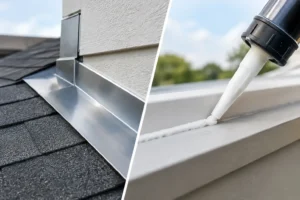
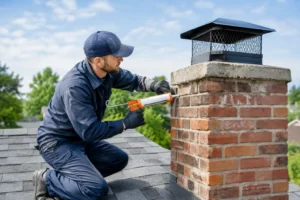
Waterproofing, crown repair, masonry repointing, flashing repair, and liner work are preventive services, not just cosmetic fixes. The right repair depends on the source of the damage. Applying a surface treatment without correcting an open crack, for example, will not solve the underlying issue.
Do not attempt chimney repairs from the roof unless you have the proper equipment and experience. Chimney work involves fall hazards, specialized materials, and safety requirements that are easy to underestimate. A qualified professional can identify what needs attention and explain whether a repair, replacement, or liner upgrade is the practical choice.
Know the Warning Signs of a Chimney Fire
Not every chimney fire is dramatic. Some burn briefly and go unnoticed, yet still leave behind cracked tiles, damaged metal, or weakened masonry. Signs of a possible chimney fire include loud popping or roaring noises, dense smoke, an unusually hot chimney exterior, a strong burning smell, or flames and sparks coming from the top of the chimney.
If you suspect an active chimney fire, get everyone out of the home and call 911. Do not throw water into the fireplace. Rapid cooling can damage hot masonry or metal, and the situation needs emergency response. Afterward, do not use the fireplace again until the chimney has been professionally inspected and any necessary repairs are complete.
A Safer Fireplace Starts Before the First Fire
The best time to handle chimney maintenance is before cold weather makes your fireplace part of the weekly routine. Book an inspection early, address repairs before they worsen, and keep only dry seasoned wood ready for use. These steps cost far less than repairing a chimney after a fire or dealing with smoke and water damage inside the home.
At Adore Construction, homeowners can get clear answers about chimney cleaning, inspections, liners, caps, masonry repairs, and waterproofing without being pushed toward work they do not need. A properly maintained chimney lets you enjoy a warm fire with the confidence that your home is being protected the right way.