A chimney can look solid from the driveway while water, failing mortar, and loose masonry are working their way deeper into the structure. Knowing how to know chimney needs rebuilding can help you act before a small exterior concern becomes a roof leak, a falling-brick hazard, or a serious fire-safety issue.
A rebuild is not automatically necessary every time you see a crack or missing mortar. Many chimneys can be repaired with targeted repointing, crown repair, waterproofing, flashing work, or a new liner. The difference comes down to how much of the masonry is compromised, whether the chimney is stable, and whether repairs will provide a dependable long-term result.
How to Know a Chimney Needs Rebuilding
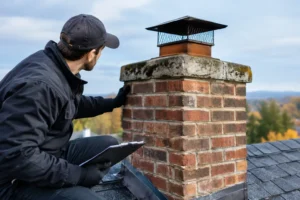
The clearest signs usually appear in the brickwork, the mortar joints, and the area where the chimney meets the roof. Homeowners should never climb onto a roof or pull at loose bricks to investigate. A visual check from the ground is useful, but a professional chimney inspection is the safest way to determine the condition of the structure.
Bricks are loose, spalling, or falling away
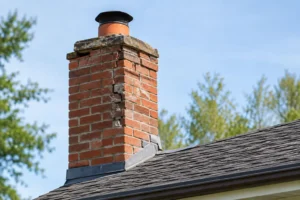
Bricks that are cracking, flaking, chipping, or shedding their outer faces are showing signs of spalling. This commonly happens when water enters the masonry, freezes during cold weather, expands, and breaks down the brick surface. New Jersey’s freeze-thaw cycles can turn minor water absorption into major damage over several seasons.
One or two damaged bricks may be replaceable. But when many bricks are deteriorating across the stack, the problem often goes beyond cosmetic wear. Replacing isolated units will not correct a chimney body that is saturated, unstable, or built with failing materials. Partial or full rebuilding may be the safer investment.
Mortar joints are deeply cracked or missing
Mortar is what locks chimney bricks together. When joints are shallow, cracked, crumbling, or missing in sections, water can enter behind the brick and weaken the chimney from the inside out.
Repointing can be an excellent solution if the bricks remain sound and the damage is limited to the joints. Rebuilding becomes more likely when mortar failure is widespread, bricks have shifted out of alignment, or large sections can no longer reliably support themselves. A chimney is not just a brick column. It must safely handle wind, weather, heat, and the weight of its own masonry.
The chimney is leaning or separating from the home
A chimney that leans, bows, or appears to pull away from the house needs prompt attention. This can point to foundation movement, prolonged water damage, deteriorated masonry, or structural failure within the stack.
Hairline cracks do not always mean the chimney is moving, but stair-step cracks through the bricks or widening gaps near the roofline should not be ignored. Structural movement is one of the strongest reasons to consider rebuilding rather than patching. A repair that only fills visible cracks will not stabilize a chimney that is no longer properly supported.
You see cracks running through the chimney stack
Vertical, horizontal, or stair-step cracks may form for different reasons. Some surface cracks are limited to the crown or an isolated masonry area. Others run through multiple courses of brick and indicate that the chimney has been stressed by water, settlement, or shifting materials.
The location and pattern matter. A crack around the top may be related to a failed crown. Cracking that continues down the stack, especially alongside loose mortar or displaced bricks, can mean the chimney needs a more extensive rebuild. An inspection can determine whether the structure can be repaired in place or should be rebuilt down to a stable section.
Water Damage Often Decides Whether Repair Is Enough
Water is the leading cause of chimney deterioration. Chimneys are exposed on every side, and even a small opening at the top can feed moisture into the masonry for months. The visible damage may be outside, but the moisture path can affect the interior flue, attic framing, roof decking, and ceilings below.
Leaks appear near the fireplace or chimney breast
Brown ceiling stains, damp walls, peeling paint, or a musty smell near the fireplace may be caused by failed flashing, a cracked crown, missing chimney cap, damaged masonry, or a combination of problems. Not every chimney leak requires rebuilding. Flashing repair or waterproofing may be enough when the masonry remains solid.
However, water stains paired with spalling bricks, broken mortar, and interior moisture can signal long-term saturation. In that situation, rebuilding damaged sections and correcting the source of water entry prevents the same problem from returning after the next heavy rain or winter storm.
The chimney crown is cracked or broken apart
The crown is the concrete or masonry top that directs water away from the flue and chimney walls. When it is cracked, flat, undersized, or crumbling, rain can soak directly into the stack.
A crown can often be repaired or replaced without rebuilding the entire chimney. But if the failed crown has allowed years of water intrusion into the upper courses of brick, the top portion may need to be torn down and rebuilt. This is common when brick faces have popped off below the crown or the upper stack has begun to loosen.
White staining or rust keeps returning
White powdery staining, called efflorescence, means water is carrying salts to the face of the masonry. It does not always mean the chimney is failing, but it is a warning that moisture is moving through the brick.
Rust on the damper, firebox components, or nearby metal can also indicate water entering through the chimney system. Cleaning stains without fixing the moisture source is only a temporary cosmetic step. A contractor should identify whether the issue comes from the cap, crown, flashing, masonry, or flue.
Smoke and Fire Problems Need More Than a Masonry Check
A chimney can look acceptable outside and still have unsafe conditions inside. Smoke coming into the room, a strong odor after rain, poor fireplace draft, or evidence of flue damage should be evaluated before using the system.
A rebuilding project may involve the exterior masonry, the chimney liner, or both. If the flue liner is cracked, undersized, deteriorated, or not compatible with the heating appliance, relining may be needed even when the chimney stack itself can be repaired. In other cases, severe exterior damage makes it sensible to rebuild the chimney while addressing liner and cap needs at the same time.
Do not assume smoke problems are simply caused by wet wood or a closed damper. Those can be factors, but airflow issues can also be related to chimney height, blockages, liner damage, or structural deterioration. A proper inspection separates the cause from the symptom.
When a Partial Rebuild Makes Sense
Chimney rebuilding is not always an all-or-nothing project. Many homes need only the portion above the roofline rebuilt because that area receives the most weather exposure. If the lower chimney structure is stable and the damage is concentrated at the top, a partial rebuild can provide a safe, cost-conscious solution.
A full rebuild may be recommended when deterioration extends below the roofline, the chimney is leaning, large areas of brick are failing, or the foundation and support conditions need correction. The right scope depends on the actual condition of the structure, not just the size of the visible crack.
This is why transparent estimates matter. A dependable contractor should explain what is damaged, why a repair or rebuild is being recommended, which water-entry points need correction, and what work is included. Homeowners deserve a clear plan, not a vague promise to patch the problem.
Do Not Wait for Bricks to Fall
Loose masonry can become a direct safety hazard, especially around walkways, driveways, patios, and entry doors. Damage also tends to accelerate once water reaches the inside of the chimney. What could have been a limited rebuild above the roofline may become a larger structural and roofing project if it is left through more storms.
If you notice cracking, missing mortar, spalling brick, leaks, or a chimney that appears out of plumb, schedule a professional inspection before using the fireplace or starting another heating season. Adore Construction helps New Jersey homeowners identify whether a focused repair, partial rebuild, or full chimney rebuild will protect the home for the long term.
A sound chimney should give your family warmth and peace of mind, not another reason to watch the ceiling during every rainstorm. Getting clear answers early is the best way to protect your home, your roof, and your budget.