A roof problem usually starts small. A lifted shingle, a clogged gutter, a loose flashing joint, or a patch of moss may not look urgent from the ground, but that is exactly how water gets into a home and turns a manageable repair into interior damage, mold, or rotten wood. A solid home roof maintenance checklist helps you catch those issues early, protect the structure underneath, and avoid paying for bigger repairs later.
For most homeowners, roof maintenance is not about climbing up with tools and trying to fix everything yourself. It is about knowing what to watch for, what you can safely handle from the ground, and when it makes sense to bring in a qualified roofing professional. That balance matters, especially after strong wind, heavy rain, snow, or repeated freeze-thaw cycles.
Why a home roof maintenance checklist matters
Your roof takes the full impact of weather year-round. Sun breaks materials down over time, rain looks for any weak point, and winter conditions can widen small openings fast. If your roof also ties into chimney flashing, vent boots, valleys, skylights, or flat roofing sections, there are even more places where wear can show up.
The goal of maintenance is simple. Keep water out, extend the life of the roofing system, and catch developing trouble before it spreads into decking, insulation, ceilings, or exterior walls. A roof does not usually fail all at once. It gives warnings first. The problem is that many of those warnings are easy to miss unless you know where to look.
Your seasonal roof maintenance routine
A practical home roof maintenance checklist works best when you break it into regular visual checks instead of waiting for a leak. Spring and fall are usually the best times for a full review, with extra checks after major storms.
Start with a ground-level inspection
Walk around the house and look at the roof from several angles. You are checking for obvious changes in the roofline, missing shingles, sagging sections, dark streaks, exposed underlayment, damaged soffits, or bent gutters. If anything looks uneven or out of place, make a note of it.
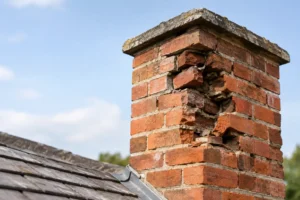
Pay attention to areas where different materials meet. Roof edges, valleys, chimney intersections, and wall flashing tend to be the first places where water intrusion starts. If your home has masonry features, cracked mortar or deteriorated chimney components can also affect the roof system around them.
Check gutters and downspouts
Gutters are part of roof maintenance whether homeowners think of them that way or not. If gutters are packed with leaves and debris, water backs up under shingles, spills near the fascia, and pools around the foundation.
Look for clogs, loose hangers, separated joints, rust, and improper drainage. Downspouts should direct water away from the home, not dump it next to the base of the house. If you notice granules collecting in gutters, that can also be a sign of shingle wear. A small amount may be normal with aging asphalt shingles, but heavy granule loss deserves attention.
Look for signs inside the home too
Roof issues often show up indoors before homeowners realize where the problem started. Check the attic, top-floor ceilings, and upper walls for water stains, peeling paint, damp insulation, musty odors, or visible daylight coming through boards.
If the attic feels overly humid or hot, ventilation may be part of the problem. Poor ventilation can shorten roof life by trapping moisture and heat, even when the shingles themselves still look acceptable from the outside.
What should be on your home roof maintenance checklist
Some roof conditions are visible from the ground. Others require a closer inspection by someone with the right safety equipment and training. Here is what matters most.
Shingles and roof coverings
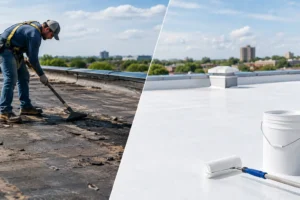
On shingle roofs, look for curling, cracking, blistering, bald spots, loose tabs, and missing pieces. On slate or tile roofs, watch for slipped, broken, or chipped sections. On flat or low-slope roofs, ponding water, surface cracks, seam separation, and membrane damage are common warning signs.
Not every worn area means full replacement is needed. Sometimes a limited repair can solve the problem if the rest of the roof is still in good condition. That depends on the roof age, the extent of damage, and whether the issue is isolated or widespread.
Flashing and penetrations
Flashing protects the joints around chimneys, vents, skylights, and roof transitions. When flashing loosens, rusts, separates, or was installed poorly in the first place, leaks often follow.
This is one of the most common trouble spots on residential roofs. Chimney flashing is especially important because it sits at a high-risk connection point between masonry and roofing materials. If you see staining near a chimney inside the home, flashing should be high on the suspect list.
Sealants and exposed fasteners
Sealants do not last forever. Rubber boots around vent pipes can crack. Exposed fasteners on certain roofing systems can loosen or back out over time. Once those materials begin to fail, water finds a path.
This is also where do-it-yourself patching can create problems. Smearing roof cement over a leak may stop water briefly, but it often hides the real issue and makes proper repair more difficult later.
Moss, algae, and debris buildup
Leaves, branches, and pine needles trap moisture against the roof surface. Moss does even more damage because it can lift shingles and hold water where it does not belong. Dark algae streaks are more cosmetic in many cases, but heavy biological growth can signal that a roof is staying wet too long.
Cleaning needs to be handled carefully. Pressure washing can damage shingles and reduce roof life. The right method depends on the roofing material and the amount of buildup.
Storm checks matter more than many homeowners realize
In New Jersey, weather can shift fast. Wind can loosen shingles without tearing them off completely, hail can bruise roofing materials in ways that are not obvious from the ground, and snow can contribute to ice dam issues at the eaves.
After a storm, check for fallen branches, dented gutters, displaced shingles, and debris on the roof. Also look at ceilings and attic spaces over the next day or two. Some leaks do not appear immediately. They show up after trapped water moves through insulation and framing.
If your roof looks intact but your home suddenly develops a stain or drip after severe weather, do not assume it will dry up on its own. Hidden damage gets more expensive the longer it sits.
What homeowners can safely do themselves
Basic maintenance from the ground is reasonable. You can monitor the roofline, watch for visible changes, keep records of storm events, and make sure gutters are cleaned on schedule if they can be reached safely. You can also check the attic for stains or moisture.
What you should not do is climb onto a roof without proper safety equipment and experience. Steep slopes, wet surfaces, aging decking, and soft spots create real fall risks. Even a simple inspection can turn dangerous quickly.
There is also the repair side of it. Replacing a few shingles sounds simple until the surrounding materials crack, the flashing detail is missed, or the underlying wood turns out to be damaged. A rushed patch can buy false confidence while water keeps moving below the surface.
When to call a roofing professional
If you see active leaks, missing shingles, sagging areas, flashing damage, recurring stains, or signs of roof aging across multiple sections, it is time for a professional inspection. The same goes for any roof that has been through a major storm or has not been checked in years.
A good inspection should not just point out the symptom. It should explain the cause, the urgency, and whether repair or replacement makes more financial sense. Homeowners do not need scare tactics. They need clear information, fair pricing, and workmanship that solves the problem the right way.
That is especially true when the roof connects to chimneys, masonry, or flat roofing systems. Those details matter because the leak you see indoors may not be coming from the spot you expect.
A simple schedule that works
Most homes benefit from a visual roof check twice a year, plus one after severe weather. Gutters should be cleaned as needed based on tree coverage, often in late spring and again in fall. Any sign of a leak, loose material, or flashing failure should be addressed promptly rather than added to a future to-do list.
If your roof is older, near the end of its expected service life, or has a history of repairs, more frequent inspections are worth it. Maintenance is always cheaper when you are fixing small vulnerabilities instead of interior damage, rotten sheathing, and widespread water intrusion.
A roof does not need constant attention, but it does need consistent attention. A reliable home roof maintenance checklist gives you a way to stay ahead of problems, protect your investment, and make smart repair decisions before a small issue starts affecting the rest of your home.