A chimney problem rarely starts with a dramatic collapse or a room full of smoke. More often, it starts with a loose cap after a windstorm, a small crack in the crown, or creosote building up one fire at a time. This guide to chimney maintenance scheduling helps homeowners plan for those smaller issues before they become expensive repairs, safety concerns, or an unwelcome surprise in the middle of winter.
For most homes, the right schedule is not complicated. It comes down to yearly inspection, cleaning when needed, seasonal checks for water damage, and prompt service when warning signs appear. The key is scheduling work early enough that you have options instead of an emergency.
Why Chimney Maintenance Needs a Schedule
Your chimney works through every season, even when the fireplace is not in use. Rain enters vulnerable cracks in mortar and crowns. Freeze-thaw cycles can widen those cracks. Wind can loosen flashing or damage a chimney cap. Birds and small animals may build nests that block the flue.
When you use a wood-burning fireplace, the chimney also collects soot and creosote. Creosote is a combustible material that can ignite inside the flue. A professional inspection and sweeping are the practical way to identify buildup and make sure smoke, gases, and heat can move safely out of the home.
A maintenance schedule also makes budgeting easier. A small masonry repair, cap replacement, or flashing repair is usually far more manageable than addressing a deteriorated chimney stack, leaking roof deck, or damaged liner. Waiting does not always make a repair unaffordable, but it often makes the scope larger.
The Annual Chimney Maintenance Baseline
Every residential chimney should be professionally inspected at least once a year, ideally before the heating season begins. This applies whether you use your fireplace frequently, occasionally, or hardly at all. An unused chimney can still develop water damage, blockages, animal activity, and structural concerns.
For New Jersey homeowners, late summer through early fall is often the most practical time to schedule an inspection. The weather is generally more workable, and you can address necessary repairs before cold temperatures and heavy use arrive. It also helps you avoid the busy period when many homeowners begin using their fireplaces and discover a problem at the same time.
A yearly appointment may include sweeping, but the two services are not identical. An inspection assesses the chimney’s condition and safe operation. Sweeping removes soot, creosote, and debris from the flue. A qualified technician can recommend cleaning based on the amount and type of buildup found rather than treating every chimney exactly the same.
Homes That May Need More Frequent Service
Annual inspections are the baseline, not a maximum. Your chimney may need additional attention if you burn wood often, use unseasoned firewood, notice heavy smoke, or have an older chimney with ongoing masonry wear. Gas fireplaces also need inspection because venting components, liners, caps, and connections can fail or become obstructed.
Homes surrounded by mature trees may need a cap and flue check after major storms. Properties with a history of chimney leaks should be checked before and after the wettest parts of the year. If your chimney shares a vulnerable area with an aging roof or deteriorating flashing, coordinating chimney and roofing service can prevent repeated water intrusion.
A Seasonal Guide to Chimney Maintenance Scheduling
A year-round approach keeps small conditions from being overlooked. You do not need a major service visit every season, but homeowners should pay attention to different risks as the weather changes.
Spring: Check for Winter Damage
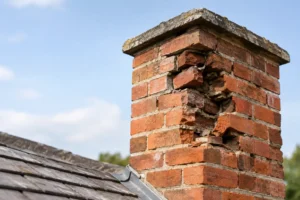
Winter is hard on brick, mortar, crowns, and flashing. As temperatures move above freezing, look for fallen mortar, cracked bricks, rust stains, water marks near the fireplace, or pieces of masonry around the base of the chimney. These signs do not always mean the chimney is unsafe, but they do justify a professional evaluation.
Spring is also a smart time to repair leaks that appeared during snow, ice, or heavy rain. Fixing damaged flashing, repointing failed mortar, or repairing a cracked crown before the next wet season protects the interior structure behind the masonry.
Summer: Plan Larger Repairs and Waterproofing
Dry, stable weather is often favorable for masonry repairs, rebuilding work, crown repair, liner projects, and waterproofing. If an inspection identified deteriorated brickwork or a chimney that needs more than a minor repair, summer scheduling gives materials time to cure properly before freezing weather returns.
Waterproofing is not a substitute for repair. Cracks, missing mortar, damaged flashing, and failed crowns should be corrected first. Once the chimney is sound, a properly selected breathable water repellent can help reduce moisture absorption without trapping water inside the masonry.
Fall: Inspect Before Fireplace Season
Fall is the priority season for chimney sweeping and annual inspections. Schedule before the first fire, not after you smell smoke in the living room or notice poor draft. A pre-season inspection can identify creosote buildup, an obstructed flue, a damaged liner, or a missing cap while there is still time to make repairs.
If you have not used the fireplace since last winter, do not assume it is ready. A bird nest, leaves, or weather damage can develop during the off-season. Make the inspection part of your regular fall home checklist, along with roof, gutter, and heating system maintenance.
Winter: Watch for Changes and Call Early
During active fireplace season, pay attention to performance. Smoke entering the room, a strong odor after a fire, difficulty starting a draft, or unusual popping sounds deserve attention. Stop using the fireplace if you suspect a blockage, flue issue, or chimney fire.
Do not wait for spring if you see water leaking around the fireplace or staining ceilings near the chimney. Emergency conditions can develop during winter storms, and a quick assessment can prevent interior damage from spreading.
Warning Signs That Should Move Up Your Appointment
Your calendar should never override a clear problem. Call for an inspection or repair assessment sooner if you notice smoke backing up into the room, a persistent smoky odor, visible creosote flakes, water stains, cracked masonry, loose bricks, rust on the damper or firebox, or damaged flashing around the chimney.
Other warning signs are easier to miss. White staining on brick, called efflorescence, can indicate that moisture is moving through the masonry. A chimney cap that rattles in the wind may be loose. Pieces of tile or clay in the firebox can point to liner damage. None of these conditions should be diagnosed from appearance alone, but each is a good reason to schedule professional service.
If you believe a chimney fire has occurred, stop using the fireplace immediately. Loud cracking or roaring sounds, dense smoke, an intense hot smell, or flames from the top of the chimney require urgent action. Even a brief fire can damage the flue liner and make future use unsafe.
What to Ask When Scheduling Service
A good appointment begins with clear information. Tell the contractor whether the appliance burns wood, gas, pellets, or another fuel; how often you use it; and what symptoms you have noticed. Mention previous repairs, water leaks, animal activity, and any recent roofing work near the chimney.
Ask what the visit includes and whether the estimate separates inspection, sweeping, repair, and materials. A clear scope helps you understand whether you are booking preventive service or addressing a specific problem. For repair work, ask what caused the damage and what steps will help prevent it from returning.
Keep records after each visit. Save inspection findings, photos, repair details, and dates. This history helps you track recurring leaks or masonry deterioration, and it gives the next technician useful context. It can also be valuable when selling your home or documenting maintenance for insurance purposes.
Build a Schedule You Can Keep
The best maintenance plan is one you will actually follow. Put a recurring reminder on your calendar for late summer or early fall, then schedule earlier if you use your fireplace heavily or see a concern after severe weather. Pairing chimney service with roof and gutter checks is a practical way to protect the parts of your home most exposed to water.
For homeowners who need repairs, do not let uncertainty turn into delay. A professional can determine whether the issue calls for sweeping, a cap, crown repair, masonry work, flashing service, waterproofing, liner repair, or a larger replacement project. Adore Construction helps New Jersey homeowners address chimney concerns with clear recommendations and dependable workmanship.
A well-maintained chimney should not demand constant attention. Give it one planned inspection each year, respond quickly when it shows a warning sign, and handle water problems before another season has the chance to make them worse.