When a coastal storm hits, the roof usually takes the first hard blow. Wind gets under weak edges, salt speeds up corrosion, and driven rain finds every small opening. If you are trying to choose the best roofing material for coastal storms, the right answer is not just about what looks good or costs less upfront. It is about what keeps water out, holds fast in high winds, and gives you fewer emergency repairs when the weather turns.
For most homes, there is no single perfect material for every shoreline property. The best choice depends on your roof slope, your budget, how exposed your home is, and whether you are prioritizing long-term durability or a lower installation cost. Coastal performance is about the full system too – underlayment, flashing, fastening, ventilation, and workmanship matter just as much as the material itself.
What coastal storms demand from a roof
A roof near the coast has to handle more than rain. It deals with wind uplift, salt air, fast temperature swings, and moisture that hangs around longer than it does inland. During a major storm, those conditions stack on top of each other.
That is why the best roofing material for coastal storms needs to do three jobs well. First, it has to resist uplift and impact. Second, it has to shed water fast and keep it from backing up into vulnerable areas. Third, it needs to stand up to corrosion, because salty air can shorten the life of metal components, fasteners, flashing, and accessories if the wrong products are used.
Asphalt shingles: practical, but not all shingles are equal
Architectural asphalt shingles are still one of the most common choices for residential homes, and for good reason. They are cost-effective, widely available, and easier to repair than many premium roofing systems. For homeowners who want strong protection without the price tag of specialty materials, a high-quality shingle roof can be a smart option.
The trade-off is that standard shingles are not always the strongest performer in severe coastal weather. Lower-grade products can lift, crease, or lose tabs in strong winds. If asphalt is the direction you are considering, the focus should be on wind-rated architectural shingles installed with the right underlayment and fastening pattern. In coastal areas, the difference between a basic installation and a storm-ready installation is significant.
Asphalt also has a shorter lifespan than slate, tile, or some metal systems. That does not make it a bad choice. It just means you should go in with realistic expectations. If your goal is solid performance, reasonable cost, and simpler repairs after isolated storm damage, architectural shingles remain a dependable option.
Metal roofing: strong in wind, but details matter
Metal roofing often comes up in discussions about storm resistance because it performs well in high winds when properly installed. It is lighter than tile or slate, sheds water quickly, and can provide excellent longevity. For many homeowners, that makes it a serious contender for the best roofing material for coastal storms.
The catch is corrosion. In salty coastal air, material selection is critical. Not every metal roof performs the same near the ocean. The panel type, protective coating, fastener quality, and flashing materials all affect how well the system holds up over time. A poorly matched metal system may look fine at first and then show rust or fastener failure earlier than expected.
Metal can also cost more upfront than shingles, and repairs may require a contractor with more specialized experience. Still, for homeowners willing to invest more at the beginning, a properly specified and installed metal roof can deliver very strong storm performance.
Slate roofing: durable, heavy, and premium
Slate is one of the longest-lasting roofing materials available. It is highly resistant to moisture and can perform very well in harsh weather. It also offers a classic look that many homeowners appreciate, especially on older or high-value homes.
But slate brings real trade-offs. It is heavy, expensive, and not every home is framed to support it without structural reinforcement. In storm-prone coastal areas, the issue is not just the slate itself but the full system beneath it. If flashing, fastening, or edge details are not handled correctly, even a premium material can become vulnerable.
Slate is usually best for homeowners planning for the long term and prepared for a higher installation cost. It is not the budget pick, but it can be an excellent one when the structure and budget support it.
Clay and concrete tile: long life with structural limits
Tile roofing offers good durability and can hold up well against moisture and sun exposure. Concrete tile in particular is known for longevity, and both clay and concrete can outlast many standard roofing materials.
The concern in coastal storms is weight and breakage. Tile roofs are heavy, and individual tiles can crack under impact or shifting loads. In high-wind events, poorly secured tiles can also become a problem. That does not mean tile should be ruled out. It means the roof deck, fastening method, and local wind requirements need close attention.
For some homes, tile is a strong long-term system. For others, especially where wind exposure is severe or the structure is not ideal for added weight, it may not be the most practical answer.
Flat and low-slope roofs: membrane systems can be the better fit
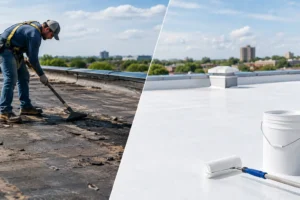
Not every home has a steep-slope roof. On flat or low-slope sections, materials like EPDM, PVC, and modified bitumen are often more appropriate than shingles. In coastal conditions, waterproofing and seam integrity are especially important because wind-driven rain can sit on the surface longer and exploit weak points.
PVC stands out for many low-slope coastal applications because it offers strong seam performance and good resistance to moisture. EPDM can also be a reliable system, especially when installed carefully and maintained over time. The right choice often comes down to the layout of the roof, the amount of foot traffic, drainage design, and how exposed the home is to sun and storms.
This is where a practical inspection matters. On a low-slope roof, small failures around penetrations, drains, or flashing can turn into major leak problems quickly.
So what is the best roofing material for coastal storms?
For many residential homes, the answer comes down to two realistic leaders. If you want the best balance of cost, repairability, and dependable storm protection, a high-quality architectural asphalt shingle roof with proper installation is often the smartest choice. If you want a longer-lasting premium system and are ready for a higher upfront investment, a well-designed metal roof is often the stronger performer.
That said, the material alone does not win the job. A storm-resistant roof is built, not just bought. You can put a great product on a roof and still have problems if the flashing is weak, the ventilation is poor, or the installer cuts corners on fasteners and edge details.
The installation details that matter most
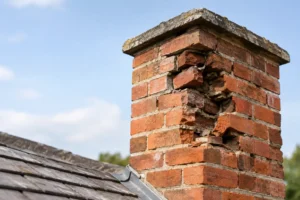
Homeowners often compare materials and miss the bigger risk. In coastal weather, failure usually starts at the vulnerable parts of the roof, not the field of the roof itself. Valleys, chimneys, flashing transitions, ridge vents, pipe penetrations, and roof edges are where water and wind test the system first.
That is why workmanship matters so much. Proper underlayment adds a second layer of protection if wind-driven rain gets past the outer material. Correct flashing around chimneys and walls helps prevent one of the most common leak sources. Fastener type and placement affect whether materials stay in place under uplift pressure. Even ventilation plays a role, because trapped moisture can weaken the system from the inside.
For homes in New Jersey coastal zones, those details are not extras. They are part of whether the roof performs when the weather gets rough.
How to choose for your home
The right decision starts with a few plain questions. How exposed is your house to direct wind? Is your roof steep-slope or low-slope? Are you trying to control upfront cost, or stay in the home long enough to justify a premium system? Do you need a material that is easier to patch after a storm, or one that aims to reduce the chance of damage in the first place?
If budget is a major factor, architectural shingles are often the practical answer. If your home is highly exposed and you want stronger wind performance with long service life, metal may be worth the added cost. If you own an older home or want a premium appearance with exceptional longevity, slate or tile may fit, provided the structure can handle it.
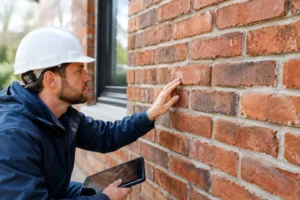
The best next step is not guessing from photos online. It is getting a roof evaluated as a full system, especially if your home already has aging flashing, storm wear, or signs of moisture intrusion. A dependable contractor will explain the trade-offs clearly, not push one product as the answer for every house.
A good coastal roof should give you confidence when the forecast gets ugly. The strongest choice is the one that fits your home, your exposure, and your budget – and is installed with the care that storm-prone homes require.