A cold draft from the fireplace can make one room feel uncomfortable no matter how high you set the thermostat. If you have asked, “why is my chimney pulling cold air,” the short answer is that your chimney is acting like an open path between your home and the outdoors. The longer answer matters, because the source may be a simple damper issue or a sign that your chimney needs repair.
A chimney is designed to move smoke, gases, and heat safely out of the house when a fire is burning. When the fireplace is not in use, that same vertical passage can pull conditioned air out and let cold outdoor air come down. In New Jersey, where winter winds and freezing temperatures put extra stress on exterior masonry, small gaps can become a noticeable draft quickly.
Why Is My Chimney Pulling Cold Air Into the House?
Warm indoor air naturally rises. As it escapes through upper areas of the home, replacement air has to come from somewhere. An open or poorly sealed chimney is often one of the easiest paths for that air movement. This effect is commonly called the stack effect.
Wind can make the problem worse. Wind striking the roof, chimney, or nearby trees can create pressure differences that push cold air down the flue. A tall chimney on an exposed roofline may feel draftier than a shorter chimney, especially during strong winter weather.
The exact cause depends on the chimney’s condition, the fireplace type, the home’s air pressure, and whether the flue is properly sealed when not in use. A professional inspection is the best way to separate a normal minor draft from a repair issue that is wasting energy or creating a safety concern.
The Damper Is Open, Warped, or Not Sealing
The damper is the metal plate inside the chimney throat that closes off the flue when the fireplace is not being used. If it is left open, cold air has a direct route into the living space. That is the first thing to check.
Even when the handle says the damper is closed, the plate may not be sealing. Dampers can warp from heat, corrode from moisture, collect soot buildup, or become misaligned over time. A small gap may not look serious, but it can allow a steady stream of cold air down the chimney.
A top-sealing damper can be a better option for many homes. Installed at the top of the flue, it seals the chimney closer to the outside and can reduce drafts more effectively than an older throat damper. It also helps keep rain, snow, leaves, and animals out when closed.
A Missing or Damaged Chimney Cap
A chimney cap does more than keep birds and debris out. It helps limit direct wind entry into the flue and protects the chimney opening from rain and snow. If the cap is missing, damaged, undersized, or poorly fitted, wind may funnel down the chimney.
Look from the ground for a cap that is tilted, rusty, loose, or absent. Do not climb onto the roof to inspect it yourself. Chimney caps are exposed to the elements year-round, and safe installation requires stable roof access and the right fit for the flue.
Cracked Masonry, a Failing Crown, or Gaps Around the Chimney
Cold air does not always enter through the fireplace opening. It can also move through cracks in the chimney structure, failed mortar joints, damaged flashing, or gaps where the chimney meets the roof or attic.
The crown is the concrete or masonry slab at the top of the chimney. Its job is to shed water away from the brickwork. When it cracks, water can enter the chimney and freeze during winter. That freeze-thaw cycle widens cracks, loosens mortar, and can create openings that contribute to drafts and moisture damage.
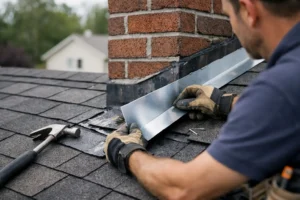
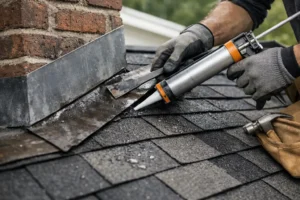
Flashing problems can also allow air and water into the home around the chimney base. Homeowners may first notice a cold area near the fireplace, staining on ceilings, a musty smell, or damp insulation in the attic. These are not issues to cover up with caulk alone. The damaged component needs to be identified and repaired correctly.
The Chimney Liner Is Damaged or the Flue Is Not Sized Correctly
A flue liner protects the chimney structure and guides combustion gases outdoors. Cracked clay tiles, deteriorated mortar, or a damaged metal liner can affect chimney performance. In some cases, an oversized or improperly sized flue cools too quickly and allows more downdraft when the fireplace is inactive.
Liner concerns are about more than comfort. A damaged liner can expose the chimney walls to heat, smoke, and corrosive byproducts. If you also notice smoke entering the room when you use the fireplace, unusual odors, or dark stains around the firebox, schedule a chimney inspection before lighting another fire.
House Pressure Is Pulling Air Down the Flue
Modern homes can be tightly sealed, while older homes may have been weatherized room by room over the years. Either situation can change how air moves through the house. Kitchen exhaust fans, bathroom fans, clothes dryers, and some HVAC equipment remove indoor air. If enough air is being pulled out, the chimney may become the replacement-air path.
This is why a draft may seem worse while the dryer is running or when a powerful range hood is on. The solution may involve chimney sealing, but it may also require evaluating combustion air, ventilation, or other pressure issues in the home. A careful assessment prevents a repair that treats only part of the problem.
When a Cold Chimney Draft Needs Prompt Attention
A chilly fireplace opening is frustrating, but certain signs call for faster service. Schedule an inspection promptly if you smell smoke or gas-like odors, see loose brick or pieces of flue tile in the firebox, notice water stains near the chimney, or have difficulty keeping smoke out of the room during a fire.
Carbon monoxide concerns should always be taken seriously. If a carbon monoxide alarm sounds, get everyone outside, call emergency services, and do not use the fireplace or fuel-burning appliance until it has been checked. Never try to solve a smoke or venting issue by blocking the chimney permanently. A working chimney must remain able to vent safely when the fireplace is in use.
What You Can Check Before Calling a Chimney Professional
Start with the safe, simple checks. Confirm that the fireplace damper is fully closed when the fireplace is cold and not in use. Check doors and windows nearby for their own air leaks, since drafts can be misleading. From the ground, look for an obvious missing cap or visible chimney damage.
Avoid stuffing insulation, towels, foam, or other materials into the flue. These temporary attempts can become a fire hazard if someone opens the damper or lights a fire without removing them. Glass fireplace doors may reduce room drafts in some setups, but they are not a substitute for a functioning damper, cap, liner, and sound masonry.
If the chimney has not been swept or inspected recently, that is the practical next step. A qualified technician can inspect the flue, damper, cap, crown, flashing, liner, and interior firebox for the conditions that cause air loss and safety problems.
Repairs That Can Stop Cold Air From the Chimney
The right repair should match the source of the draft. A damper adjustment or replacement may solve an open-flue issue. A new chimney cap or top-sealing damper may be appropriate where wind is entering from above. Repointing deteriorated mortar, rebuilding a cracked crown, repairing flashing, waterproofing sound masonry, or relining a damaged flue can address more serious problems.
There is a trade-off with any sealing work: the chimney must be protected from unwanted weather and air leakage without interfering with safe ventilation during use. That is why chimney repairs should be based on an inspection rather than a guess. A repair that looks small from the roof can involve concealed water damage, liner deterioration, or a loose component that needs prompt attention.
For homeowners, the goal is simple: keep your home warmer, protect the chimney from further weather damage, and make sure the fireplace can operate safely when you need it. If the cold draft is persistent, getting the chimney checked before the next stretch of winter weather can save you from a more expensive repair later.