A chimney rarely fails all at once. More often, it starts with a water stain near the fireplace, a musty smell after rain, or a few pieces of brick showing up in the yard. Those early warnings matter. When homeowners ask about the top signs of chimney damage, they are usually trying to avoid two things – a bigger repair bill and a safety problem that could have been prevented.
Chimneys take a beating year-round. Heat, moisture, freeze-thaw cycles, wind, and age all work against the brick, mortar, metal, and concrete parts that keep the system sealed and stable. If one area starts to fail, the damage can spread faster than most people expect. That is why it helps to know what to look for before a minor repair turns into structural work.
Top signs of chimney damage homeowners should not ignore
Some chimney problems are easy to spot from the ground. Others show up inside the house first. Either way, the pattern is the same – visible wear usually means water, heat, or movement has already started affecting the system.
Cracked or crumbling mortar joints
If the mortar between the bricks looks recessed, sandy, or broken apart, that is one of the clearest warning signs. Mortar joints hold the chimney together and help keep water out. Once they begin to deteriorate, moisture gets deeper into the structure and accelerates the damage.
This is especially common in older chimneys and in areas that go through repeated freezing and thawing. A few failed joints may call for tuckpointing. Widespread mortar loss can signal a chimney that needs more extensive rebuilding. It depends on how deep the deterioration goes and whether the bricks around it are still sound.
Spalling bricks or flaking masonry
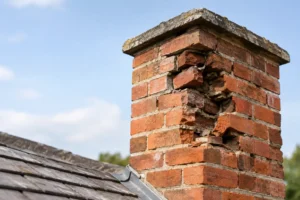
Bricks that are chipping, peeling, or popping apart are not just cosmetic. Spalling happens when water enters the masonry, then expands during freezing temperatures. Over time, the face of the brick breaks off.
Once brick surfaces start failing, the chimney becomes much more vulnerable to leaks and structural weakness. If you are seeing brick fragments on the roof, on the ground, or in the gutters, that is a strong sign the chimney needs professional attention.
White staining on the chimney exterior
That chalky white residue on brick is called efflorescence. It forms when water moves through masonry and leaves mineral deposits behind as it evaporates. The staining itself is not the main problem. The moisture causing it is.
Efflorescence often points to a chimney absorbing more water than it should. In some cases, waterproofing and minor repairs are enough. In others, the staining is a clue that cracked mortar, a damaged crown, or missing cap protection is allowing water in from above.
A cracked chimney crown
The crown is the concrete or mortar top that helps direct water away from the chimney opening and masonry below. When it cracks, water can slip into the structure and begin damaging the liner, brickwork, and interior components.
Small crown cracks are easy to miss from the ground, but they can create major problems over time. A proper crown repair or rebuild helps stop water intrusion at one of the chimney’s most exposed points. This is one of those cases where waiting rarely saves money.
Rust on the damper, firebox, or chase components
Rust tells a simple story – moisture is getting where it should not be. If you notice rust on the damper, fireplace doors, or other metal chimney parts, there is a good chance water has been entering the system for a while.
A stuck damper is another common clue. Homeowners sometimes assume it is just old hardware, but rust and resistance often point back to a chimney leak. The source could be damaged flashing, a missing cap, a cracked crown, or failed masonry.
Interior signs of chimney damage
Not every chimney issue announces itself outside. Some of the most important warnings show up in the rooms around the fireplace.
Water stains on ceilings or walls near the chimney
Brown spots, bubbling paint, or peeling wallpaper around the chimney are major red flags. When moisture gets in around flashing, damaged masonry, or the chimney top, it often shows up indoors before the full exterior problem is obvious.
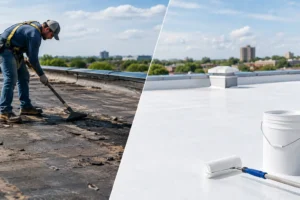
This is where chimney and roofing issues can overlap. The leak may not be coming from the roof field itself. It could be entering at the chimney connection, where flashing, brick, and roofing materials all need to work together. That is why chimney leaks should be diagnosed carefully instead of patched at random.
Musty odors or a damp fireplace
If the fireplace smells musty, especially after rain or during humid weather, excess moisture is likely trapped inside the chimney. That smell can come from wet masonry, creosote reacting to humidity, or water collecting in parts of the system that should stay dry.
Homeowners sometimes try to cover the odor, but the better move is finding out why moisture is entering in the first place. A chimney should vent properly, stay protected from direct water entry, and remain structurally sealed.
Smoke backing into the room
Smoke problems do not always mean chimney damage, but they should never be brushed off. Drafting issues can come from blockages, liner problems, crown damage, or structural deterioration that affects how the chimney vents.
If your fireplace suddenly starts pushing smoke indoors, or if performance has changed over time, the system should be inspected. Poor venting is not just inconvenient. It can create serious safety concerns.
Pieces of tile or debris in the firebox
If you find bits of flue tile, mortar, or masonry inside the fireplace, that is a warning sign worth taking seriously. Debris often means the flue liner or interior chimney walls are breaking down.
A damaged liner can affect both fire safety and venting performance. Depending on the condition, the fix may involve repair, relining, or a more comprehensive rebuild. This is not an area for guesswork.
Structural top signs of chimney damage
Some of the top signs of chimney damage point to movement and instability rather than surface wear. These issues can become urgent quickly.
A leaning chimney or visible separation from the house
If the chimney looks tilted or appears to be pulling away from the siding or brick wall, that is a serious structural issue. Movement may be caused by foundation settlement, long-term water damage, failing mortar, or deterioration below the roofline.
Even slight leaning should be evaluated. A chimney does not need to be close to collapse to require major work. Catching structural movement early may keep the repair more manageable.
Damaged flashing at the roofline
Flashing is the metal seal where the chimney meets the roof. When it is rusted, loose, bent, or improperly installed, water can work its way into the home. That usually leads to leaks, wood rot, mold, and damage around both the chimney and roof system.
Flashing problems are common after storms, aging roof cycles, or poor-quality repair work. If the leak keeps coming back, the flashing detail should be looked at closely instead of just sealing over the symptoms.
When a small chimney problem is not really small
One of the biggest mistakes homeowners make is treating chimney damage like a cosmetic issue. A hairline crack, a little staining, or a bit of rust may not look urgent, but chimneys are exposed on all sides and get worse with time, not better.
Water is usually the reason. Once it gets into masonry or around the roofline, it can damage bricks, mortar, liners, framing, drywall, and insulation at the same time. What starts as a minor chimney repair can eventually involve interior repairs and roofing work too.
That does not mean every chimney issue requires a rebuild. Some problems are straightforward if they are handled early. A cap replacement, crown repair, tuckpointing job, or flashing correction can go a long way when the rest of the system is still solid. The key is knowing the actual condition before choosing a fix.
What homeowners should do next
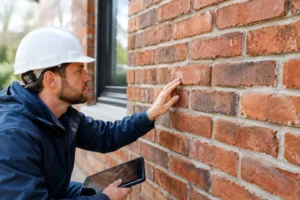
If you have noticed one or more of these warning signs, the safest next step is a professional chimney inspection. A proper inspection helps separate surface wear from deeper structural or venting issues. It also helps you avoid spending money on temporary patches that do not address the source of the problem.
For homeowners in New Jersey, this matters even more after heavy rain, snow, and freeze-thaw weather. Chimneys in this region work hard, and small defects can open up quickly between seasons.
A well-maintained chimney protects more than the fireplace. It helps protect your roof, interior walls, air quality, and overall home safety. If something looks off, trust that instinct and get it checked before the next storm or heating season makes the decision for you.