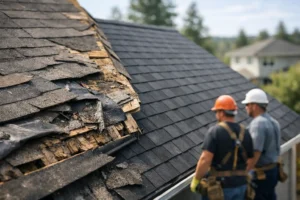
A tile roof can last for decades, but a single cracked tile, failed flashing joint, or worn section of underlayment can let water reach places it does not belong. The right tile roof repair options depend on where the failure started, how long water has been getting in, and whether the roof structure beneath the tile is still sound. A proper repair protects more than the visible roof surface. It helps prevent leaks, damaged ceilings, rotted decking, mold, and costly repairs around chimneys, walls, and attic spaces.
Tile roofing is durable, but it is not maintenance-free. New Jersey weather brings wind, heavy rain, snow, freeze-thaw cycles, and falling branches that can shift or break individual tiles over time. Addressing small damage early is usually the most affordable way to keep a larger roofing issue from developing.
Tile Roof Repair Options for Common Problems
The first step is identifying the actual source of the problem. A stain on a ceiling may appear several feet away from the roof opening because water can travel along decking, rafters, or underlayment before it becomes visible indoors. Replacing the closest broken tile without inspecting the surrounding area can leave the real problem unresolved.
Replacing cracked, broken, or missing tiles
Individual tile replacement is often the most straightforward repair when damage is limited. Clay and concrete tiles can crack after impact from debris, foot traffic, severe weather, or repeated freezing and thawing. A missing or badly shifted tile can expose the underlayment beneath it to direct rain and wind-driven moisture.
A qualified roofer carefully lifts the surrounding tiles, removes the damaged piece, checks the material below it, and installs a matching replacement. The replacement should fit correctly and be secured in a way that preserves the roof’s drainage pattern. This is not a job for aggressive prying or walking across the roof without care. Tile can break under uneven pressure, turning one damaged area into several.
Matching matters, especially on older roofs. Tile profiles, colors, sizes, and fastening systems vary. A close visual match and proper installation help maintain curb appeal while keeping the roof weather-tight.
Resetting slipped or loose tiles
Not every tile problem involves a visible crack. Tiles can loosen or slide out of alignment when fasteners fail, mortar deteriorates, wind lifts an edge, or the roof experiences seasonal movement. A tile that has shifted even slightly may create a path for water beneath the covering.
Resetting loose tiles involves more than pushing them back into place. The installer should determine why the tile moved in the first place. Depending on the roofing system, the repair may involve replacing clips or fasteners, restoring approved mortar bedding, or correcting a problem at the row above. If several tiles have shifted, the area may point to broader wear rather than an isolated issue.
Repairing ridge, hip, and edge tiles
Ridge and hip tiles sit along the highest and angled lines of the roof. They receive substantial wind exposure and often rely on mortar, mechanical fastening, or both. When ridge mortar cracks, washes out, or separates, tiles can become loose and allow water into vulnerable roof intersections.
Repairs may include removing failed mortar, resetting the tiles, installing appropriate fastening, and rebuilding the bedding material where needed. The roof edge also deserves attention. Damaged edge tiles can leave the roof more exposed to wind uplift and allow water to reach the underlying layers.
Fixing flashing around chimneys and roof penetrations
Many roof leaks start at transitions, not in the middle of the field tile. Chimneys, skylights, plumbing vents, roof walls, and valleys all require carefully installed flashing to direct water away from openings. Tile roofing makes these details especially important because the flashing must work with the roof’s shape and water flow.
At a chimney, failing counterflashing, deteriorated sealant, cracked masonry, or improperly integrated step flashing can lead to leaks that look like a roof problem. Sometimes the tile is intact, but water is entering at the chimney connection. A thorough repair checks both systems so the problem is fixed at its source.
For homes with a masonry chimney, it makes sense to inspect the roofline and chimney exterior together. Addressing loose flashing while ignoring cracked chimney crown material or open mortar joints can leave the home vulnerable to continued water intrusion.
When the Underlayment Needs Attention
Tile is the outer protective layer, but the underlayment below it is a major water-shedding component. Over time, heat, moisture, age, and storm exposure can cause underlayment to become brittle, tear, or lose effectiveness. If leaks continue despite intact-looking tiles, worn underlayment may be the reason.
Localized underlayment repair
If the issue is confined to one area, a contractor may remove and salvage surrounding tiles, replace damaged underlayment, inspect the roof deck, and reinstall the tile correctly. This can be a practical solution for a localized leak near a valley, vent, chimney, or damaged tile section.
The condition of the decking matters. If water has softened, stained, or deteriorated the wood beneath the roof, that material should be repaired before the underlayment and tiles are put back. Covering damaged decking may hide the issue temporarily, but it does not restore the roof’s strength.
Partial or full tile lift and relay
When underlayment has failed across a wider section, the best option may be a tile lift and relay. The existing tiles are carefully removed, the underlying roof system is repaired or replaced, and usable tiles are reinstalled. Broken or unsuitable tiles are replaced as needed.
This approach can preserve a quality tile roof while renewing the components that actually stop water from reaching the home. It is more involved than replacing a few tiles, but it may be more cost-effective than a complete roof replacement when the tile itself remains in good condition.
Repair or Replacement: How to Make the Right Call
A repair is generally the right choice when the damage is isolated, the underlayment is still performing well, and the roof deck is dry and solid. One cracked tile, a small flashing failure, or limited ridge damage should not automatically mean replacing an entire roof.
Replacement becomes more reasonable when leaks are recurring, tiles are breaking in multiple areas, underlayment has reached the end of its service life, or water damage is widespread beneath the roof. The age of the roof, availability of matching tile, previous repair history, and the condition of chimney and flashing details also affect the decision.
Be cautious with quick surface fixes. Roof cement and heavy sealant may appear to stop a leak, but they are not a dependable substitute for damaged flashing, failed underlayment, or improperly set tile. Sealants have a role in certain details, yet a repair should preserve drainage and allow the roof system to perform as designed.
What a Professional Tile Roof Inspection Should Cover
A dependable inspection looks beyond obvious broken tiles. The contractor should assess the tile field, ridge and hip lines, valleys, roof edges, flashing, penetrations, visible underlayment, gutters, drainage paths, and signs of water entry inside the attic or home. On older roofs, the evaluation should also include the condition of fasteners and the roof deck where accessible.
Safety is part of the process. Tile roofs are slippery when wet and can be damaged by improper foot placement. A professional should use appropriate access methods and avoid creating new cracks while investigating the original problem.
Homeowners can help by watching for water stains, loose tile pieces on the ground, visible gaps at rooflines, granules or mortar fragments in gutters, and damp or musty attic areas. Do not climb onto the roof to inspect a concern. Take photos from the ground if possible and schedule an evaluation before the next storm adds more water to the problem.
A tile roof does not need a one-size-fits-all solution. It needs a careful diagnosis, sound materials, and workmanship that respects how the roof, flashing, and chimney details work together. If you see damage or suspect a leak, arrange a professional assessment promptly. A focused repair today can protect your home from a much larger project tomorrow.