A lot of chimney problems do not start with a dramatic collapse or a house full of smoke. They start with a damp ceiling stain near the fireplace, a burnt smell that lingers after a fire, or a few loose bricks you meant to deal with last season. That is exactly why a new jersey chimney safety guide matters for homeowners. In a state where freeze-thaw cycles, coastal moisture, hard rain, and winter heating all put real stress on masonry, small chimney issues can turn into expensive and dangerous ones faster than most people expect.
Why chimney safety deserves attention
Your chimney is not just a brick stack on the roof. It is a working part of your home that handles heat, smoke, moisture, and exposure to weather every day. When one part starts to fail, the effects spread. A cracked liner can raise fire risk. Damaged flashing can let water into the attic or walls. A broken crown can lead to masonry deterioration that gets worse every winter.
For many homeowners, the challenge is that chimneys do not always fail in obvious ways. A fireplace may still light. The exterior may still look mostly fine from the ground. But hidden damage inside the flue, around the flashing, or at the crown can already be causing problems. Safety comes down to catching those issues before they affect the structure of the home or the air you breathe.
The most common chimney risks in New Jersey
Creosote buildup and fire danger
If you burn wood, creosote is one of the biggest safety concerns. It forms inside the flue as smoke cools, and it is highly flammable. Even a chimney that looks normal from the outside can have enough buildup inside to create a serious fire hazard.
How quickly creosote builds up depends on how often you use the fireplace, the type of wood you burn, and how well the fire drafts. Occasional use may still leave enough residue to require cleaning. Heavy seasonal use usually means more frequent attention.
Water intrusion
Water is one of the most damaging forces for any chimney system. It gets in through cracked crowns, missing caps, deteriorated mortar joints, and failed flashing. Once moisture enters the system, it can rot nearby framing, stain ceilings, damage interior walls, and weaken the chimney itself.
In New Jersey, this risk is even more serious because wet masonry expands and contracts through cold weather. What starts as a hairline crack can open up over time and lead to loose bricks or internal flue damage.
Liner damage
The liner protects the home from heat transfer and helps carry smoke and combustion gases out safely. When a liner is cracked, missing sections, or deteriorating, heat and gases can escape where they should not. That can create a fire risk and affect indoor air quality.
Older homes are especially likely to have liner issues, but age is not the only factor. Moisture, settling, poor drafting, and years of wear all play a role.
Structural deterioration
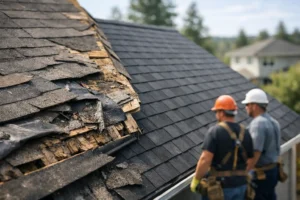
A leaning chimney, spalling bricks, crumbling mortar, or visible separation from the house should never be brushed off as cosmetic. Structural chimney damage can become a roofline problem, a water problem, and a safety problem at the same time.
Some damage can be repaired early with tuckpointing, crown repair, waterproofing, or flashing replacement. If homeowners wait too long, the solution may shift from repair to partial rebuild or full replacement.
A practical new jersey chimney safety guide for every season
The best way to manage chimney safety is to think about it seasonally, not only when something goes wrong.
Before heating season
Fall is the right time to schedule an inspection and, if needed, sweeping. This is the season when hidden buildup, nest blockages, liner issues, and draft problems should be addressed before the first regular fire. Waiting until the first cold snap usually means tighter scheduling and a higher chance of using the fireplace before it is ready.
This is also the time to check the cap, crown, and flashing. If water has been getting in during summer storms, the signs may already be there even if you have not noticed interior leaks yet.
During winter
Pay attention to how the fireplace performs. Smoke backing into the room, strong odors, excess soot, or poor draft are all warning signs. So is any sign of water around the chimney after snow or freezing rain.
Winter is also when masonry damage tends to progress quickly. If bricks begin flaking or mortar joints look washed out, the chimney may be taking on moisture and breaking down under freeze-thaw pressure.
In spring and summer
Once heating season ends, many homeowners stop thinking about the chimney. That is often when leak issues get missed. Spring rain can expose flashing failures, crown cracks, and open joints that were less noticeable in winter.
This is a smart time to handle repairs because the weather is generally more favorable and the chimney is not in active heavy use. For many homes, off-season maintenance is the easiest way to avoid a bigger problem next fall.
Warning signs homeowners should not ignore
Some chimney issues are visible from the yard, but many show up inside first. White staining on brick, rust on the damper or firebox, musty odors, dripping sounds, cracked mortar, loose masonry, and stains on walls or ceilings near the chimney all point to trouble.
Animal activity is another common issue. If birds or other animals get into the flue, they can create blockages and sanitation concerns. A properly fitted chimney cap helps prevent that, but once animals have entered, the system should be checked before use.
If your fireplace suddenly performs differently than it did last year, do not assume it is a minor change. Draft and smoke behavior often tell you something important is happening inside the system.
What a professional chimney inspection should cover
A real inspection should go beyond a quick glance at the top of the chimney. Homeowners should expect the technician to evaluate the flue, liner condition, firebox, smoke chamber, crown, cap, flashing, mortar joints, masonry condition, and overall structural stability.
If there has been a chimney fire, storm damage, a leak, or a change in appliance use, the inspection may need to be more detailed. That is where experience matters. Some homes need only routine maintenance. Others need a closer look because one symptom can point to multiple failures at once.
This is also why the cheapest option is not always the best one. A low-cost visit that misses crown damage or hidden liner deterioration can leave the actual risk in place.
Repairs that protect the home long term
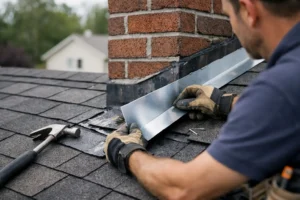
Not every chimney problem requires a rebuild. In many cases, targeted repair is the right move if the issue is caught early. Repointing failing mortar joints, sealing crown cracks, replacing damaged flashing, installing a cap, repairing the liner, or waterproofing sound masonry can extend the life of the chimney and reduce future repair costs.
The trade-off is timing. Preventive work costs less than major restoration, but only if homeowners act before water and structural damage spread. Once the chimney has widespread brick failure or severe internal deterioration, patching is no longer enough.
For that reason, safety and cost usually go together. The safer route is often the more affordable one over time because it prevents repeat leaks, recurring smoke issues, and avoidable structural damage.
When to call instead of waiting
If you have visible chimney cracks, a leaking fireplace, smoke entering the room, missing bricks, strong odors, or signs of water near the chimney, it is time to get it checked. The same goes if you bought an older home and do not know the chimney service history.
For homeowners who use their fireplace regularly, annual service is the safer standard. For lighter use, the timing can vary, but inspection still matters because weather damage happens whether you burn fires often or not.
A dependable contractor will explain what is urgent, what can be scheduled, and what is simply worth monitoring. That kind of clear guidance helps homeowners make smart decisions without guessing. Companies like Adore Construction build trust by keeping that process straightforward – identify the issue, explain the risk, and recommend the right fix for the home.
Your chimney does not need to look dramatic to need attention. If something feels off, smells off, or shows signs of moisture or wear, getting ahead of it now is one of the simplest ways to protect your home, your budget, and the people inside it.