A fireplace should send smoke up and out, not push it into your living room. If smoke spills from the firebox, you smell soot when the fireplace is not in use, or a cold draft comes down the chimney, you have a chimney downdraft problem. Knowing how to fix chimney downdraft starts with identifying why the chimney is pulling air in the wrong direction.
Downdraft is more than an annoyance. It can leave smoke odors throughout the house, make it difficult to enjoy a fire, and expose your family to combustion gases. The right repair depends on your chimney height, cap, flue condition, fireplace setup, and even how tightly your home is sealed.
What Causes a Chimney Downdraft?
A chimney works because warm air rises. When you light a fire, the hot gases in the flue should rise above the roofline and pull replacement air through the fireplace. That upward pull is called draft. A downdraft happens when cold outdoor air, wind pressure, or negative pressure inside the home overcomes that natural upward flow.
New Jersey homes often see this issue during cold, windy weather. Temperature changes, coastal winds, nearby trees, taller neighboring homes, and tightly insulated renovations can all affect how a chimney performs. The problem may occur only on certain days, or it may happen every time you use the fireplace.
Common causes include a cold flue, a blocked or damaged chimney cap, a chimney that is too short, an undersized or deteriorated liner, and pressure problems inside the house. Exhaust fans, clothes dryers, kitchen hoods, and high-efficiency heating equipment can pull indoor air outside. If the home cannot replace that air easily, the chimney may become the path of least resistance.
Start With Safe, Simple Checks
Before trying any fix, make sure the damper is fully open. It sounds basic, but a partially closed damper can restrict airflow enough to send smoke back into the room. Also check that the fireplace screen, glass doors, or grate are not blocking the opening.
If the fireplace has not been used in a while, the flue may be full of dense cold air. Preheating the flue can help establish draft before you build a larger fire. Roll up a few sheets of plain newspaper, light them near the back of the firebox under the damper, and allow the warm air to rise for a minute or two. Use only a small amount of paper, keep a fireplace tool nearby, and never leave the fire unattended.
Then build a small, hot fire with properly seasoned firewood. Wet wood creates excessive smoke and does not produce enough heat to warm the flue quickly. Avoid burning treated lumber, trash, cardboard boxes, or green wood. Those materials can create heavy smoke, chimney deposits, and unnecessary fire risk.
If smoke still enters the room after the flue is warmed and the damper is open, stop using the fireplace until the cause is inspected. Repeatedly trying to force a fire can fill the home with smoke and make an underlying chimney problem worse.
Check Whether Your Home Is Starving the Fireplace of Air
Modern windows, weatherstripping, insulation, and air sealing are good for energy efficiency. They can also reduce the amount of replacement air available for a wood-burning fireplace. When a powerful kitchen exhaust fan, bathroom fan, dryer, or central vacuum is running, it may pull enough air from the house to reverse the chimney draft.
A simple test can point to a pressure issue. With the fireplace cold, open a nearby window slightly, then start a small fire after preheating the flue. If the draft improves noticeably, the home may need a more reliable source of makeup air.
Opening a window is a diagnostic step, not a permanent solution during every fire. A chimney professional can determine whether the issue involves house pressure, the fireplace opening, the flue size, or a combination of factors. In some situations, a dedicated outside-air system may be appropriate. In others, correcting the chimney itself is the better long-term repair.
How to Fix Chimney Downdraft Caused by Wind
Wind can blow directly across a chimney opening and force air down the flue. This is especially common when a chimney ends too close to a taller roof section, a large tree line, or another structure that disrupts airflow. A standard rain cap may keep out water and animals but may not provide enough protection from difficult wind patterns.
A properly selected chimney cap can make a major difference. Wind-resistant caps, directional caps, and draft-inducing caps are designed to limit wind entry while allowing smoke to exit. The best choice depends on the chimney’s location and the type of appliance venting through it. A cap that works well for one home can be the wrong fit for another.
Do not install a random cap without measuring the flue and inspecting the chimney. An incorrectly sized cap can restrict exhaust, trap creosote, or fail in high winds. A secure, properly fitted cap should also help keep rain, leaves, birds, and squirrels out of the flue.
Chimney Height May Be the Real Problem
A chimney needs enough height above the roof to draft correctly. If it is too short, nearby rooflines can create pressure zones that push air down instead of allowing smoke to rise freely. This problem can become more noticeable after a roof replacement, an addition, or changes to nearby structures.
The commonly used clearance guideline is that a chimney should extend at least 3 feet above the roof penetration and at least 2 feet higher than anything within 10 feet. That is a starting point, not a guarantee that every chimney will draft perfectly. Complex roofs, steep slopes, and local wind exposure may require a higher extension.
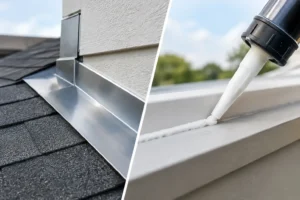
Extending a chimney is not a cosmetic project. The masonry, flue liner, flashing, crown, and cap all need to be addressed correctly. Adding height without protecting the new work from water can lead to cracked mortar, leaks, and deterioration around the roofline.
Inspect the Flue, Liner, and Chimney Structure
Chimney downdraft can also be a sign of internal restrictions. Creosote buildup, bird nests, broken clay tiles, loose mortar, and a collapsed or improperly sized liner can interfere with the flow of exhaust. A chimney that looks fine from the fireplace opening may have serious problems farther up the flue.
Annual chimney sweeping and inspection are practical safeguards for homeowners who use wood-burning fireplaces. A professional inspection can identify buildup, obstructions, liner damage, crown cracks, failing flashing, and water entry before they become larger repairs. Water damage matters because deteriorated masonry can allow cold air and moisture into areas that should be sealed and protected.
If the flue liner is damaged or incorrectly sized, relining may be necessary. Stainless steel liners and approved resurfacing systems can restore a safer, smoother path for exhaust. The right solution depends on the fireplace, fuel type, chimney dimensions, and condition of the existing flue.
Do Not Ignore Smoke or Carbon Monoxide Risks
A smoky fireplace is not something to work around with air freshener or an open window. Smoke contains fine particles that can irritate your eyes and lungs, while incomplete combustion can produce carbon monoxide. Every home with a fireplace, wood stove, gas appliance, or attached garage should have working carbon monoxide alarms installed according to manufacturer instructions and local requirements.
Call for prompt service if you notice repeated smoke spillage, strong odors, black stains around the fireplace, falling debris in the firebox, visible cracks, or water leaking near the chimney. If a carbon monoxide alarm sounds or anyone feels dizzy, nauseated, confused, or unusually tired, get everyone into fresh air and contact emergency services.
When to Call a Chimney Professional
Some draft issues are resolved by warming a cold flue or using better firewood. Others need a trained inspection because the real cause is above the roof or inside the chimney system. A professional can evaluate chimney height, cap design, flue sizing, liner condition, airflow, masonry damage, and the interaction between your fireplace and the rest of the home.
For homeowners, the goal is not simply to get a fire going. It is to make sure smoke, heat, and combustion gases leave the home the way they should. Adore Construction helps New Jersey homeowners address chimney draft concerns with practical inspections, repairs, caps, liners, masonry work, and maintenance designed for safe, lasting performance.
If your fireplace is pushing smoke into the room, stop using it until the issue is understood. A clear diagnosis and the right repair can bring back the comfort of a working fireplace without gambling with your home’s safety.