A small puddle on a low-slope roof may not look urgent after a New Jersey storm. But when water stays there, finds a weak seam, or freezes near a drain, it can turn into a ceiling stain, damaged insulation, or costly structural repair. Flat roofing is a dependable option for many homes, additions, garages, and porches, but it needs the right material, drainage plan, and installation from the start.
Unlike a steep shingle roof, a flat or low-slope roof does not shed water quickly by gravity alone. It relies on a carefully built membrane, properly sealed details, and a subtle slope that directs water toward drains, scuppers, or gutters. When those parts work together, the roof provides clean lines, useful space, and durable protection. When one part fails, water can travel beneath the surface before you ever see a leak indoors.
What Flat Roofing Means for a Residential Property
Most residential flat roofs are not perfectly flat. They are built with a slight pitch so rain and melting snow move away from the structure. These roofs are common on modern home sections, rear additions, sunrooms, dormers, attached garages, and covered entryways.
The biggest difference is in the roofing system itself. A low-slope roof needs a continuous waterproof surface rather than individual overlapping shingles. Seams, edges, penetrations, and transitions to walls or chimneys all need careful attention. That is why a roof can look fine from the ground but still have a problem developing beneath the membrane.
For homeowners, the benefit is straightforward: a properly installed low-slope roof can provide long-term weather protection with fewer exposed components. It can also make sense where a steep roof is not practical or would conflict with the home’s design. The trade-off is that maintenance and drainage cannot be treated as optional.
Choosing the Right Flat Roofing Material
There is no single best material for every roof. The right choice depends on the roof’s size, slope, condition of the deck, number of seams, sun exposure, budget, and whether the roof connects to a chimney or another roof system.
EPDM for proven, flexible protection
EPDM is a rubber roofing membrane commonly used on low-slope residential roofs. It is known for flexibility and for handling temperature changes well. It can be a practical choice for garages, additions, and larger flat roof areas where homeowners want durable performance at a sensible price.
Installation quality matters with EPDM. The membrane must be secured correctly, seams must be sealed carefully, and flashing around pipes, walls, and roof edges must be tight. A loose edge or failed seam can allow wind-driven rain to work underneath the system.
PVC for heat-welded seams
PVC roofing is a single-ply membrane with heat-welded seams. Those welded seams can provide strong protection against standing water when they are installed correctly. PVC is often a good option for roofs with many details, such as vents, pipes, or equipment supports.
Its higher upfront cost may be worthwhile when a roof needs long-lasting seam performance and resistance to weather exposure. As with any system, the condition of the roof deck and the quality of the detail work matter as much as the membrane itself.
Torch-applied roofing for specific applications
Torch-applied roofing uses modified bitumen materials that are bonded with heat. It can create a durable layered roof surface, particularly on certain low-slope structures. However, open-flame work must be handled by trained professionals with strict safety procedures.
This is not a roofing system for shortcuts or do-it-yourself repairs. Homes with nearby wood framing, siding, or chimney components require a contractor who understands the fire risk and takes proper precautions throughout the job.
Silicone coatings for restoration when the roof qualifies
A silicone roof coating can sometimes extend the life of an existing low-slope roof. It is not a cover-up for every issue. The existing roof must be dry, structurally sound, and properly prepared. Wet insulation, widespread membrane failure, or damaged decking may call for repair or replacement instead.
A professional inspection determines whether restoration is a responsible investment or whether it only delays a larger problem.
Drainage Is the Part Homeowners Cannot Ignore
Water that remains on a roof for a short time after heavy rain is not always a failure. Persistent ponding water is different. If water remains for more than 48 hours in dry weather, it deserves attention. The roof may have insufficient slope, a blocked drain, crushed insulation, sagging decking, or a drainage path that was never designed correctly.
New Jersey weather puts added stress on drainage systems. Leaves can clog gutters in fall, ice can block exits in winter, and summer storms can send large volumes of water across the roof in minutes. A low-slope roof should be checked regularly for debris around drains, scuppers, and edge channels.
Poor drainage does more than create puddles. It adds weight, increases wear at seams, and can speed up deterioration of the membrane. If water freezes, it can worsen small openings and push moisture into vulnerable roof details.
Warning Signs Your Flat Roof Needs Service
A leak is the clearest sign of trouble, but it is not the first one. Homeowners should pay attention to changes outside and inside the home. Early repair is usually smaller, less disruptive, and less expensive than waiting for water damage to spread.
Watch for these signs:
- Water that repeatedly ponds in the same area after dry weather returns.
- Cracks, blisters, wrinkles, open seams, or loose material at roof edges.
- Stained ceilings, peeling paint, musty odors, or damp insulation in rooms below.
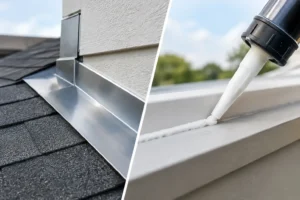
- Loose flashing where the roof meets a wall, skylight, vent, or chimney.
- Debris-clogged drains, gutters, and scuppers that prevent water from leaving the roof.
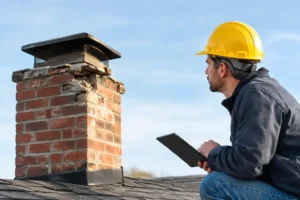
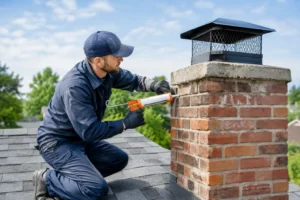
Chimney flashing deserves special attention. Where a chimney meets a flat roof, water is directed against a vertical masonry surface. If the flashing, counterflashing, crown, or brickwork is damaged, water can enter from more than one direction. A roofing issue and a chimney issue can easily look like the same interior leak.
Repair or Replacement: How to Make the Right Call
A roof repair can be the right answer when damage is isolated and the overall system is still in good condition. A split seam, failed pipe boot, localized puncture, or loose flashing may be repaired without replacing the full roof. The key is finding the source of the water, not simply patching the place where it appeared inside.
Replacement is often the safer investment when the membrane is near the end of its service life, leaks keep returning, large sections are deteriorated, or moisture has damaged the insulation or deck. Repeated patches can become more expensive than a properly planned new system, especially if they leave old drainage issues unresolved.
Before approving work, ask what is causing the problem, whether the roof deck will be inspected, how drainage will be improved if needed, and how walls, chimneys, and roof penetrations will be flashed. A clear estimate should explain the scope of work and the material being used, not leave homeowners guessing about what is included.
Maintenance That Protects Your Investment
Flat roofs benefit from regular checks, especially after severe storms and before winter. Keep drains and gutters clear, remove branches and loose debris, and look for material that has lifted near edges or penetrations. Do not walk on the roof unnecessarily or drag tools and furniture across the membrane, since punctures can be difficult to spot.
Schedule a professional inspection if you notice ponding water, interior staining, visible membrane damage, or changes around the chimney. Adore Construction helps New Jersey homeowners address low-slope roofing and chimney details with practical recommendations, careful workmanship, and straightforward estimates.
The best time to deal with a flat roof concern is when it is still a roof concern, not after water has reached the framing, ceilings, or living space below.