A roof can look fine from the street and still be one hard storm away from trouble. That is why homeowners asking about the best residential roofing systems are usually not shopping for looks alone. They want something that holds up, sheds water properly, fits the home, and does not turn into a constant repair bill a few years down the line.
The right system depends on your home’s design, your budget, and the kind of weather your roof has to handle. In New Jersey, that means rain, wind, humidity, summer heat, and winter freeze-thaw cycles all matter. A roofing system is not just the outer material. It is the full setup working together – deck protection, underlayment, flashing, ventilation, and the roofing surface itself.
What makes one of the best residential roofing systems?
The best roof is not always the most expensive one. It is the one that matches the structure of the home and gives dependable performance over time.
A good residential roofing system should resist water intrusion, handle temperature swings, and stay secure in high winds. It should also be serviceable. Some materials last a long time but cost more to repair. Others are affordable up front but may need replacement sooner. That trade-off matters when you are planning for the next 10, 20, or 30 years.
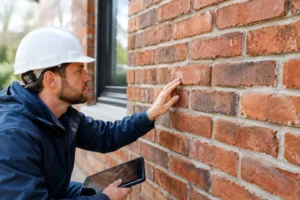
Proper installation matters just as much as material choice. Even a strong roof can fail early if flashing is poorly installed, ventilation is wrong, or weak spots around chimneys and roof penetrations are ignored. For many homes, the difference between a roof that lasts and one that leaks early comes down to workmanship.
1. Asphalt shingle roofing
Asphalt shingles are still the most common choice for residential homes, and for good reason. They are cost-effective, widely available, and suitable for many roof shapes and home styles. For homeowners who want a practical balance between price and performance, shingles often make the most sense.
Architectural shingles, in particular, offer better durability and appearance than basic 3-tab shingles. They can handle normal weather exposure well and are easier to repair than some premium materials. If a section is damaged, targeted repair is often possible without replacing the entire roof.
The trade-off is lifespan. While shingles can perform well for many years, they generally do not last as long as slate or tile. They also depend heavily on proper attic ventilation. Too much trapped heat and moisture can shorten their life.
2. Slate roofing
Slate is one of the longest-lasting residential roofing materials available. It offers a classic appearance, strong weather resistance, and impressive durability. On the right home, slate can be a long-term solution that outlasts many other systems.
But slate is not for every house. It is heavy, which means the structure beneath it must be able to support the load. Installation and repairs also require real experience. A contractor who is excellent with shingles is not automatically the right choice for slate.
Cost is the biggest hurdle for most homeowners. Slate usually requires a larger upfront investment, but the long lifespan can make that cost easier to justify if you plan to stay in the home for a long time.
3. Tile roofing
Tile roofing, including clay and concrete options, is known for durability and distinctive curb appeal. It performs well against weather exposure and can last for decades when installed correctly. It is also resistant to rot and insect damage, which adds to its appeal.
Like slate, tile is heavy. That means structural support has to be considered before installation. Tile can also crack under impact or foot traffic, so maintenance and repairs need to be handled carefully.
For some homes, tile is a great fit visually and structurally. For others, it creates unnecessary weight and cost. It is a strong option, but only when the house itself is a match.
4. EPDM roofing for low-slope sections
Not every residential roof is steep. Many homes have low-slope areas over additions, porches, garages, or rear sections. In those cases, EPDM rubber roofing is often one of the most practical systems available.
EPDM is designed for low-slope applications where shingles are not the right choice. It is durable, flexible, and generally cost-effective compared to some other flat roofing materials. It can handle temperature changes well, which is useful in climates with both hot summers and freezing winters.
Its appearance is simpler than other materials, so it is not always chosen for highly visible roof sections. Still, when the priority is dependable waterproofing on a low-slope area, EPDM is hard to ignore.
5. PVC roofing
PVC roofing is another strong option for low-slope residential sections. It is known for durability, water resistance, and welded seams that create strong protection against leaks. For homeowners dealing with recurring flat-roof moisture issues, PVC can be a smart upgrade.
PVC tends to cost more than EPDM, so budget plays a role. In return, homeowners often get excellent longevity and strong resistance to ponding water, chemicals, and UV exposure. That makes it especially useful on parts of a home that have had persistent leak trouble.
If a low-slope roof has multiple penetrations, drainage issues, or a history of patchwork repairs, PVC may offer a more reliable reset than continuing temporary fixes.
6. Torch down roofing
Torch down roofing is commonly used on low-slope residential roofs where a durable membrane is needed. It creates a strong waterproof barrier and is often selected for porches, garages, and additions.
The main advantage is water resistance. When properly installed, torch down systems perform well in areas where standing water or slow drainage can become a problem. They are also known for solid durability in demanding weather conditions.
Because installation involves heat, this is not a material for shortcuts or inexperienced labor. Safety and proper technique matter. A system like this needs to be installed with care, especially around roof edges, walls, and any nearby chimney components.
7. Silicone roofing for restoration
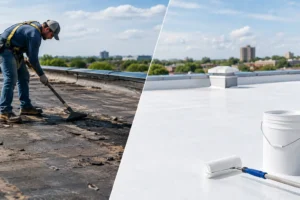
Silicone roofing is a little different from the others because it is often used as a restoration solution rather than a full tear-off replacement. On some existing low-slope roofs, a silicone coating can extend service life and improve waterproofing without the cost of a complete new system.
That makes it attractive for homeowners trying to control costs while addressing active wear. Silicone performs well against UV exposure and can help seal vulnerable surfaces.
Still, it is not the answer for every failing roof. If the substrate is saturated, the system is structurally compromised, or flashing details are failing badly, coating over the problem is not a real fix. This is one of those cases where an honest inspection matters more than a quick sales pitch.
How to choose among the best residential roofing systems
Start with roof shape. If your home has a standard pitched roof, asphalt shingles, slate, or tile may be on the table. If you have a low-slope section, you should be looking at systems like EPDM, PVC, torch down, or silicone restoration depending on the existing condition.
Next, think about how long you plan to stay in the home. If you are looking for a dependable solution without a major upfront cost, shingles may be the right fit. If this is a long-term home and the structure can support it, slate or tile may be worth stronger consideration.
Then consider maintenance. Some homeowners want the lowest initial price. Others want fewer repairs and longer service life even if it costs more now. Neither approach is wrong, but the right choice depends on what kind of expense you want to deal with later.
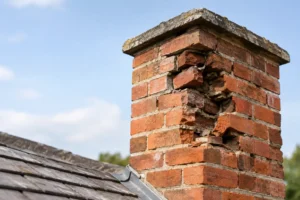
Finally, look closely at vulnerable roof details. Chimneys, flashing, roof valleys, skylights, and ventilation all affect performance. A roofing system is only as dependable as the details around it. That is one reason homeowners often benefit from working with a contractor who understands both roofing and chimney-related leak points, not just the field material itself.
Installation matters more than many homeowners realize
A quality material installed poorly will not give quality results. Misaligned shingles, weak flashing, poor seam work, or bad drainage planning can shorten the life of any roof. That is true whether you choose a budget-friendly shingle system or a premium low-slope membrane.
The best approach is to get a clear assessment of your current roof condition, your home’s structure, and the problem areas that need attention. A dependable contractor should explain what fits your home, what does not, and where spending more will actually give you value.
At Adore Construction, that practical approach matters because homeowners are not looking for guesswork. They want a roof that protects the house, holds up to weather, and gives them confidence when the next storm rolls through.
If you are weighing roofing options, focus less on what sounds premium and more on what fits your home the right way. The best roofing system is the one that keeps water out, stands up to the seasons, and lets you stop worrying every time it rains.