A chimney can look perfectly fine from the ground while its top is missing one of its most important safety components. The best chimney spark arrestors help contain embers before they reach dry leaves, roofing, decks, or nearby landscaping. They also keep animals and larger debris out of the flue when they are part of a properly fitted chimney cap.
For New Jersey homeowners, the right choice comes down to more than buying a piece of metal mesh. Your chimney type, fuel source, flue size, exposure to wind and rain, and condition of the masonry all affect what will work safely. A poorly sized cap or clogged screen can restrict draft, send smoke back into the house, and create a bigger problem than the one it was meant to prevent.
What Makes a Chimney Spark Arrestor Effective?
A spark arrestor is typically a metal screen built into or attached to a chimney cap. Its job is to catch larger burning particles that can leave the flue during a wood fire. The cap above it sheds rain, while the screen around it provides a barrier against sparks, birds, squirrels, and nesting material.
The most effective models balance protection with airflow. A screen with openings that are too large may allow embers through. One with openings that are too small can collect soot and creosote quickly, reducing the draft your fireplace or stove needs to operate correctly.
For many residential wood-burning chimneys, a spark arrestor screen with approximately 1/2-inch openings is a common starting point. However, local requirements, the appliance manufacturer’s instructions, and the chimney’s design should always guide the final selection. Homes with wood stoves, factory-built fireplaces, and open masonry fireplaces do not all use the same cap configuration.
Best Chimney Spark Arrestors by Material and Design
There is no single cap that is best for every home. The best chimney spark arrestors are the ones that fit the flue correctly, hold up to local weather, and can be serviced without creating draft problems.
Stainless Steel Spark Arrestor Caps
Stainless steel is often the strongest all-around choice for homeowners who want long-term protection. It resists rust far better than basic galvanized steel and holds up well against rain, snow, freeze-thaw cycles, and chimney exhaust.
A stainless steel cap is especially practical for exposed chimneys or homes near the Jersey Shore, where moisture and salt air can speed up corrosion. It usually costs more upfront, but it can reduce the need for early replacement. Look for a securely fastened cap with durable mesh and a lid that directs water away from the flue opening.
Copper Spark Arrestor Caps
Copper caps are a premium option. They are durable, naturally corrosion-resistant, and can develop a weathered patina over time. On a historic home or a house with copper roofing details, gutters, or architectural accents, copper can be a strong visual match.
The trade-off is price. Copper does the job well, but it is not necessary for every property. If your priority is safety, durability, and sensible cost, stainless steel often delivers the better value.
Galvanized Steel Spark Arrestor Caps
Galvanized steel caps are commonly used because they are affordable and widely available. They can be appropriate for a short-term replacement or a homeowner working within a tight repair budget.
Their limitation is corrosion resistance. Once the protective coating wears down, rust can develop, particularly around fasteners, seams, and mesh. A rusted cap can loosen in high wind or deteriorate until openings appear in the screen. If you choose galvanized steel, plan on regular inspections and expect a shorter service life than stainless steel.
Multi-Flue Chimney Caps
Many masonry chimneys serve more than one fireplace, stove, furnace, or water heater. In these situations, an individual cap on one flue may not be the right answer. A custom multi-flue cap covers the entire chimney crown while allowing each flue to vent properly.
This design can offer broad protection from rain, animals, and sparks, but sizing is critical. The cap must provide enough open area for all active flues. It also needs proper clearance from the flue tiles and a secure mounting method that does not damage the crown.
Fit Matters More Than a Fancy Finish
A spark arrestor only works when it is correctly matched to the chimney. Round metal flues, square clay flue tiles, rectangular flues, and prefabricated chimney systems each require different cap styles. A loose cap can blow off during a storm. A cap that sits too low can interfere with exhaust and draft.
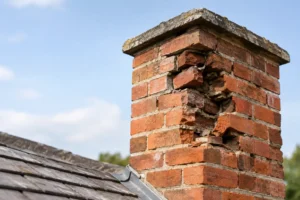
Before selecting a cap, a chimney professional should verify the outside dimensions of the flue, the height of the flue above the crown, and the condition of the crown itself. If the crown is cracked, sloped poorly, or crumbling, simply installing a new cap may not stop water from getting into the chimney structure.
A cap should also be compatible with the appliance below it. Gas appliances, oil appliances, wood stoves, and fireplaces have different venting requirements. Never add a spark screen to a chimney without confirming that it will not interfere with manufacturer requirements or safe operation.
The Biggest Trade-Off: Spark Protection vs. Airflow
Homeowners sometimes assume that tighter mesh means better protection. In practice, very fine mesh can become clogged with soot, creosote, ash, and windblown debris. This is a serious concern on wood-burning systems because a blocked cap can cause smoke to spill into the living area or make fires difficult to start and maintain.
If your fireplace has weak draft, smoke odors, dark staining around the firebox, or smoke entering the room, do not assume the cap is the only issue. The cause may be a dirty flue, excess creosote, a damaged liner, an improperly sized chimney, or pressure changes in the home. Removing the screen without addressing the underlying issue can leave your home exposed to sparks and animals.
Regular chimney sweeping is what keeps a spark arrestor working as intended. During service, the technician should inspect the mesh for buildup, check the cap’s fasteners, and look for rust, bent sections, or gaps created by animals.
Signs Your Existing Spark Arrestor Needs Attention
A chimney cap is easy to overlook because it sits above the roofline. Still, several signs point to a problem. A rattling noise during wind, visible rust streaks on the chimney, birds entering the fireplace, leaves in the firebox, or a cap that looks tilted all deserve an inspection.
You may also notice poor fireplace performance after several months of regular wood burning. Creosote can accumulate on the mesh faster than homeowners expect, particularly when wood is damp or fires burn low and smoky. Burning only properly seasoned firewood helps reduce buildup, but it does not eliminate the need for cleaning.
If water is dripping into the firebox or there is a musty smell in the fireplace, the problem could involve the cap, crown, flashing, or masonry. Water rarely has just one entry point, which is why a full chimney inspection is more useful than replacing one visible part and hoping for the best.
When to Choose Professional Installation
Chimney work involves roof access, fragile masonry, sharp metal edges, and components that affect fire safety. Professional installation is the safer choice when the chimney is tall, the roof is steep, the cap requires custom fabrication, or there are signs of crown damage, loose bricks, liner concerns, or active leaks.
A qualified contractor can measure the flue correctly, confirm ventilation requirements, and install a cap that remains secure through wind, rain, and winter weather. For homes with recurring smoke issues or heavy creosote buildup, an inspection before cap installation is the smart move.
The right spark arrestor is not the most decorative or the cheapest unit on the shelf. It is the one that protects your home without limiting the chimney’s ability to vent safely. A properly fitted, well-maintained cap gives you a small but valuable layer of protection every time you use your fireplace.