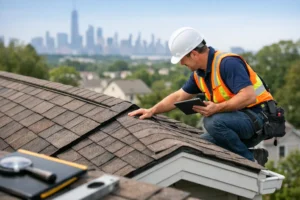
A roof usually starts asking for help long before water drips into a living room. You might notice shingles curling at the edges, dark streaks, granules collecting in the gutters, or a ceiling stain that seems to grow after every storm. This guide to residential roof replacement is built for homeowners who need straight answers about when to replace a roof, what the process looks like, and how to make a solid decision without getting buried in sales talk.
When a roof replacement makes more sense than another repair
Not every roof problem calls for a full replacement. A small section damaged by wind or a few missing shingles can often be repaired if the rest of the system is still in good shape. But there comes a point when patching turns into a cycle of temporary fixes, and that is usually when replacement becomes the smarter investment.
Age is one of the biggest factors. Asphalt shingle roofs often last around 20 to 30 years, but actual lifespan depends on ventilation, installation quality, storm exposure, and maintenance. If a roof is near the end of its expected life and showing widespread wear, another repair may only delay a larger problem.
The pattern of damage matters too. If leaks are showing up in multiple areas, if shingles are cracking across large sections, or if the roof deck has started to soften from moisture, a repair may not solve the root issue. In those cases, replacing the full system can protect the home better and save money over time.
What a guide to residential roof replacement should help you understand first
The most useful place to start is not color or style. It is the condition of the current roof and the parts under it. A roof is not just the outer material you see from the street. It is a system that includes decking, underlayment, flashing, ventilation, and the way it ties into chimneys, valleys, and roof edges.
That matters because two homes can have the same shingle problem and need very different scopes of work. One may need a straightforward tear-off and replacement. Another may need decking repairs, updated flashing around a chimney, or vent improvements to prevent heat and moisture buildup in the attic.
A good contractor should explain what is staying, what is being replaced, and why. If the estimate feels vague, that is a problem. Homeowners should know whether old materials are being removed, how damaged wood will be handled, and what type of underlayment and flashing are included.
Common signs you may need a new roof
Some warning signs are obvious. Others are easier to miss until damage spreads. Widespread curling or buckling shingles often point to age and weather wear. Bald spots where granules have worn off can leave shingles more exposed to sun and water. Repeated leaks after previous repairs are another red flag.
Inside the home, water stains on ceilings or walls deserve attention, especially after heavy rain. A musty attic smell can also point to moisture problems. If you go into the attic and see daylight coming through boards or notice damp insulation, the roof system may already be failing.
Storm damage deserves its own category. New Jersey homes can take a beating from coastal weather, wind, snow, and freeze-thaw cycles. Even if the roof looks mostly intact from the ground, lifted shingles, damaged flashing, and hidden moisture intrusion can shorten its remaining life.
Choosing the right roofing material for your home
For many homeowners, asphalt shingles are the practical choice. They offer solid protection, a wide range of colors, and a lower upfront cost than premium materials. They also work well on many residential properties and are easier to repair than some specialty systems.
Slate and tile can last much longer and give a home a distinct look, but they cost more and often require the structure to support extra weight. They are not the right fit for every house. If your home already has slate or tile, replacement decisions become more technical because matching materials and preserving structural integrity matter.
Low-slope sections are different from standard pitched roofs. Areas like porches, additions, or certain modern home designs may need systems such as EPDM, PVC, or torch-applied roofing rather than shingles. This is where experience matters. The material has to match the roof design, drainage needs, and long-term maintenance expectations.
The best choice usually comes down to budget, home style, expected lifespan, and how long you plan to stay in the house. The cheapest option is not always the most affordable over time, but the most expensive option is not always necessary either.
What affects the cost of residential roof replacement
Roof replacement pricing depends on more than square footage. Size matters, but so do slope, height, accessibility, number of layers being removed, and how many roof features have to be worked around. A simple roof with clear access is faster and safer to replace than one with steep pitches, multiple valleys, dormers, skylights, and chimney intersections.
Material choice changes pricing as well. Asphalt shingles are generally more budget-friendly than slate, tile, or certain flat-roof systems. Then there is the condition of the roof deck underneath. If plywood or boards are rotted from long-term leaks, those repairs add to the job cost but are necessary for a safe, durable installation.
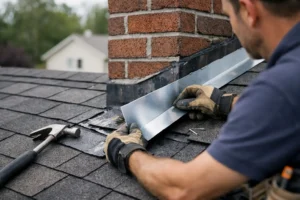
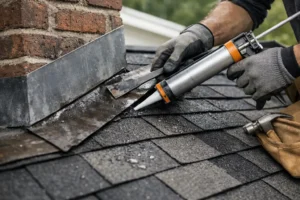
Flashing work is another major factor. Areas around chimneys, walls, valleys, and vents are common leak points. If flashing is old, poorly installed, or damaged, replacing only the outer roofing material will not give you a reliable result.
That is why a low estimate is not always a good estimate. If important components are missing from the scope, the final number may rise later, or worse, the roof may fail sooner than it should.
What to expect during the replacement process
Most homeowners want to know two things before work begins: how disruptive it will be and how long it will take. The answer depends on roof size, weather, and complexity, but many standard residential jobs can be completed in a day or a few days. Larger or more involved projects may take longer.
The process usually starts with material delivery and site preparation. Protective measures should be used around landscaping, siding, and walkways. Then the old roofing is removed so the deck can be inspected. This step is important because hidden damage cannot be addressed properly if old layers are left in place.
Once the deck is confirmed sound or repaired as needed, underlayment, flashing, and the new roofing material are installed. Ventilation components may also be updated if needed. After that, the crew should complete cleanup and magnet-sweep the property for nails and debris.
Noise is part of the job. So is some temporary inconvenience. But a well-run project should still feel organized, safe, and clearly communicated from start to finish.
Questions worth asking before you sign
A contractor should be able to explain licensing, insurance coverage, material options, warranty terms, and cleanup procedures in plain language. You should also ask who will be on site, whether decking repairs are included or priced separately, and how weather delays are handled.
Ask about flashing around chimneys and penetrations. This is especially important on older homes where masonry and roofing meet. If those transition points are ignored, even a new roof can develop leaks early.
It is also reasonable to ask how the contractor protects the home during the process and what happens if hidden damage is found. Clear answers up front usually mean fewer surprises later.
The value of timing it right
Waiting too long can turn a roofing project into an interior repair project. Once water gets past the roof, it can damage insulation, framing, ceilings, and even electrical components. Mold and wood rot can follow. A planned replacement is almost always less stressful than an emergency one.
That does not mean every aging roof has to be replaced immediately. It means homeowners should act when the signs are there and the economics support it. If repairs are becoming frequent, if storms keep exposing the same weak areas, or if the roof is simply worn out, moving forward before major interior damage occurs is often the better call.
At Adore Construction, we see the best outcomes when homeowners treat roof replacement as protection, not just another house expense. A strong roof keeps water out, supports energy efficiency, and helps protect everything underneath it. If you are weighing repair versus replacement, the right next step is a clear inspection, a clear scope, and a contractor who tells you what your home actually needs – not what sounds good in a sales pitch.