A chimney can look solid from the roofline while the passage inside is cracked, undersized, or worn out. That hidden condition can allow dangerous gases, heat, moisture, and creosote to move where they do not belong. This guide to chimney relining explains when a new liner is needed, what type may fit your home, and why professional installation matters.
What Chimney Relining Does for Your Home
A chimney liner is the protective channel inside the flue. Its job is to carry smoke, combustion gases, and heat safely from a fireplace, stove, furnace, or boiler to the outside. It also helps protect the masonry chimney structure from extreme temperatures and corrosive byproducts.
Older New Jersey homes may have clay tile liners, while some chimneys were built with no suitable liner at all. Clay liners can crack from age, chimney fires, settling, moisture, or repeated heating and cooling. Mortar joints between tiles can fail as well. Once that protective path is damaged, the chimney may no longer vent safely or efficiently.
Relining creates a new, properly sized venting path inside the existing chimney. Depending on the appliance and the chimney’s condition, that may mean installing a stainless steel liner or applying a specialized poured-in-place lining system such as Thermocrete. The right answer depends on the fuel being burned, the condition of the flue, the appliance manufacturer’s requirements, and the size and height of the chimney.
Signs Your Chimney May Need a New Liner
A damaged liner is not always visible from the firebox. That is why a professional inspection, often including a camera scan, is the best way to confirm the condition of the flue. Still, homeowners often notice warning signs that should not be ignored.
Smoke entering the room when you use the fireplace can point to draft problems, an obstruction, or an improperly sized flue. A strong odor, falling tile fragments in the firebox, dark staining on masonry, or recurring moisture inside the chimney can also signal trouble. If a heating appliance has been replaced with a newer, more efficient model, the original flue may no longer be properly matched to it.
White, powdery staining on exterior brick, called efflorescence, is another reason to schedule an inspection. It does not automatically mean the liner has failed, but it shows that moisture is moving through the masonry. Left untreated, water can damage mortar, crowns, flashing, and interior flue components.
A chimney fire is an urgent reason to inspect the liner, even if the fire seemed small or quickly contained. High heat can crack clay tiles, warp metal components, and damage the surrounding masonry. Do not resume normal fireplace use until a qualified chimney professional has evaluated the system.
A Guide to Chimney Relining Options
Stainless Steel Chimney Liners
Stainless steel is a common relining choice because it is durable, adaptable, and available in sizes designed for different fuel types and appliances. A properly selected and installed stainless liner can work for wood-burning fireplaces, wood stoves, gas appliances, oil systems, and certain other venting applications.
Not every stainless liner is the same. The grade of steel, insulation needs, connection details, and liner diameter all matter. A liner that is too small can restrict draft and cause performance issues. One that is too large may allow exhaust to cool too quickly, which can contribute to condensation and creosote buildup. The installer should size the liner to the appliance and the chimney rather than treating every job alike.
For many relining projects, insulation is part of the safety plan. Insulation helps keep flue gases warmer, improves draft, and reduces heat transfer to surrounding masonry. It can be especially valuable when a chimney runs along an outside wall or has clearance concerns.
Thermocrete and Poured-In-Place Liners
Thermocrete is a ceramic-based lining system applied to the interior of an existing chimney. It can seal cracks, smooth damaged surfaces, and reinforce the flue while creating a continuous protective passage. This approach can be a strong option when the existing clay liner is deteriorated but the chimney structure is otherwise suitable for restoration.
Unlike a metal liner, a poured-in-place system follows the interior shape of the chimney. That can be useful in certain masonry chimneys with irregularities or when preserving internal space is a priority. However, it is not the right solution for every appliance or every level of flue damage. A full inspection should determine whether repair and resurfacing are appropriate or whether a new stainless steel liner is the safer choice.
When a Chimney Needs More Than Relining
A new liner cannot correct every chimney problem. If the brickwork is loose, the crown is badly cracked, the chimney is leaning, or water has caused major structural damage, masonry repairs may need to happen first. A missing or damaged chimney cap, failed flashing, or deteriorated crown can continue feeding water into the system and shorten the life of a new liner.
This is why a complete recommendation should look beyond the flue. The goal is not simply to install a liner. The goal is to create a chimney system that vents safely and stays protected from water and weather.
What Happens During Chimney Relining
The process starts with an inspection of the appliance, firebox, flue, chimney exterior, and accessible masonry. A camera inspection can reveal cracked tiles, missing mortar, offsets, blockages, creosote accumulation, and previous repair work. The contractor also checks the appliance type and venting requirements before recommending a liner size and material.
Before installation, the chimney may need sweeping or cleaning. Creosote, debris, nests, and loose fragments should be removed so the new liner has a clear path. If necessary, damaged clay tiles may be broken out or the flue may be prepared to accept the selected lining system.
For a stainless liner installation, the liner is typically lowered from the top of the chimney and connected securely to the appliance or fireplace system. The top is finished with the proper plate, cap, and weather-tight termination. If insulation is required, it is installed according to the system design and applicable safety standards.
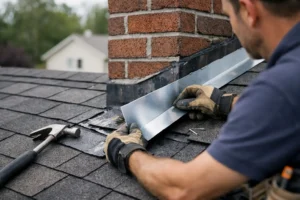
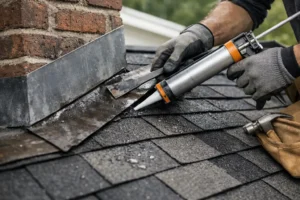
A quality job also includes checking the surrounding components. The cap should keep out rain and animals. The crown should shed water. Flashing at the roofline should be secure. These details protect both the chimney and the investment you are making in the liner.
Cost Factors Homeowners Should Understand
Chimney relining costs vary because chimneys vary. The height of the structure, the flue size, the number of bends or offsets, roof access, appliance type, liner material, insulation, and necessary masonry repairs all affect the final estimate.
A straightforward stainless steel liner for a short, accessible flue generally costs less than relining a tall chimney with difficult roof access, multiple offsets, extensive tile damage, or required structural repairs. A fireplace liner may also be priced differently from a liner for a furnace or water heater because sizing and connection requirements are not the same.
Be cautious with estimates that quote a low liner price without explaining what is included. Ask whether the proposal covers inspection, cleaning, removal of obstructions, insulation, connection components, a new cap, disposal, and any required repairs. Clear scope protects you from surprise costs and helps you compare proposals fairly.
Safety and Maintenance After Relining
A new liner improves protection, but it does not eliminate the need for maintenance. Wood-burning systems should be inspected regularly and swept as needed based on use and creosote buildup. Gas, oil, and other heating appliances also need periodic venting inspections because corrosion, nesting materials, moisture, and appliance changes can affect safe operation.
Use only properly seasoned firewood in a wood-burning fireplace or stove. Wet wood produces more smoke and creosote, which can build up inside the liner. Keep the chimney cap in good condition, address leaks promptly, and never ignore smoke odors, poor draft, or changes in how an appliance performs.
A chimney liner is one of the most important safety components in your home, even though it is mostly out of sight. If your fireplace smokes, your flue is damaged, or an inspection raises concerns, a clear professional evaluation can help you choose the repair that protects your home for the long run. For New Jersey homeowners, Adore Construction can assess the full chimney system and provide a straightforward estimate for the work your home actually needs.